Skip to content
KWKyoto WayfinderAn independent Kyoto travel guide

Kyoto journeys

First Time in Kyoto

Essential Kyoto for your first visit.

First Kyoto

Must-visits for a first Kyoto trip

Kyoto was Japan's capital for more than a thousand years. For a first visit, focus on five defining experiences: temples, shrines, old streets, nature and historic architecture.

01

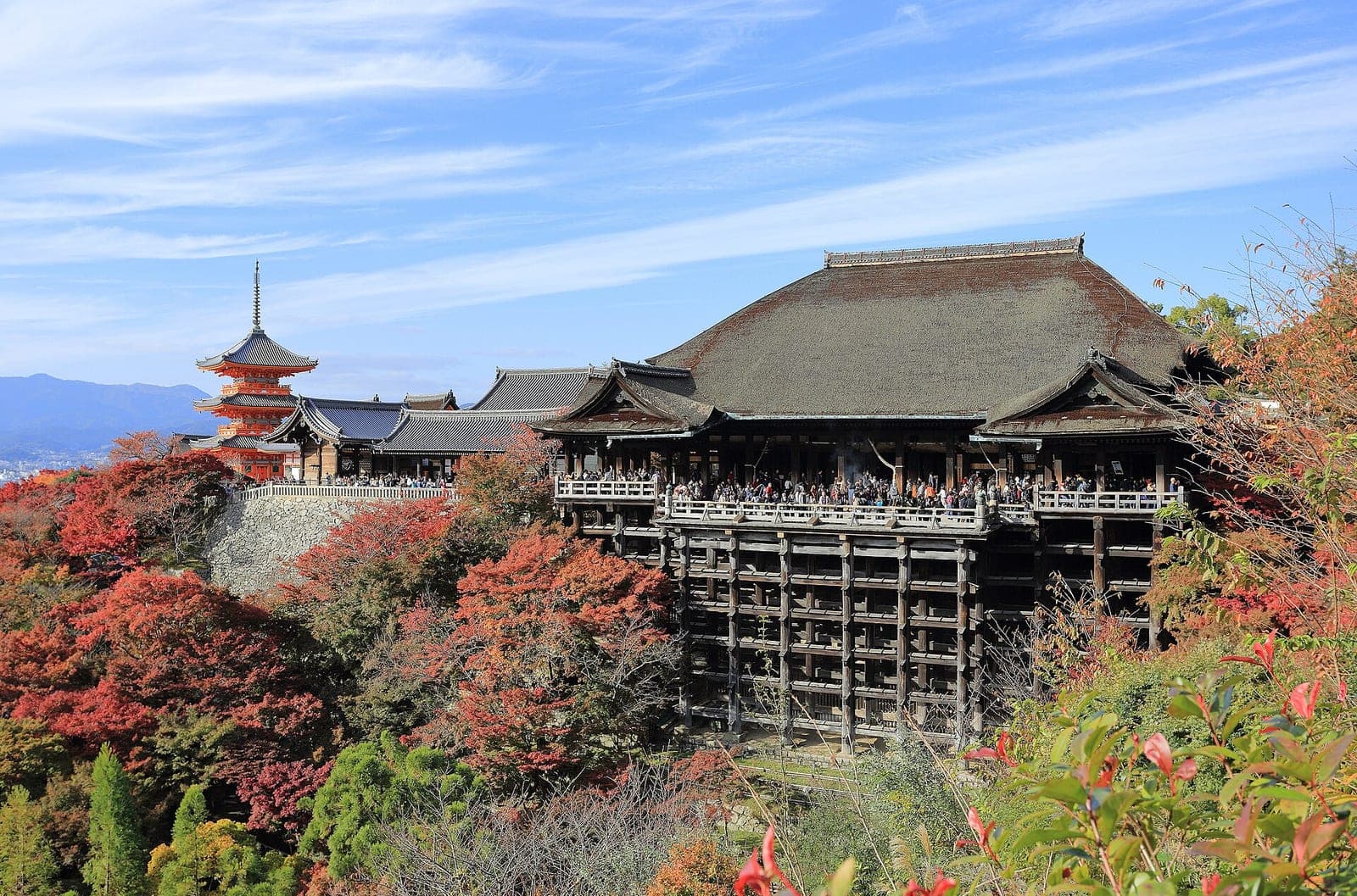
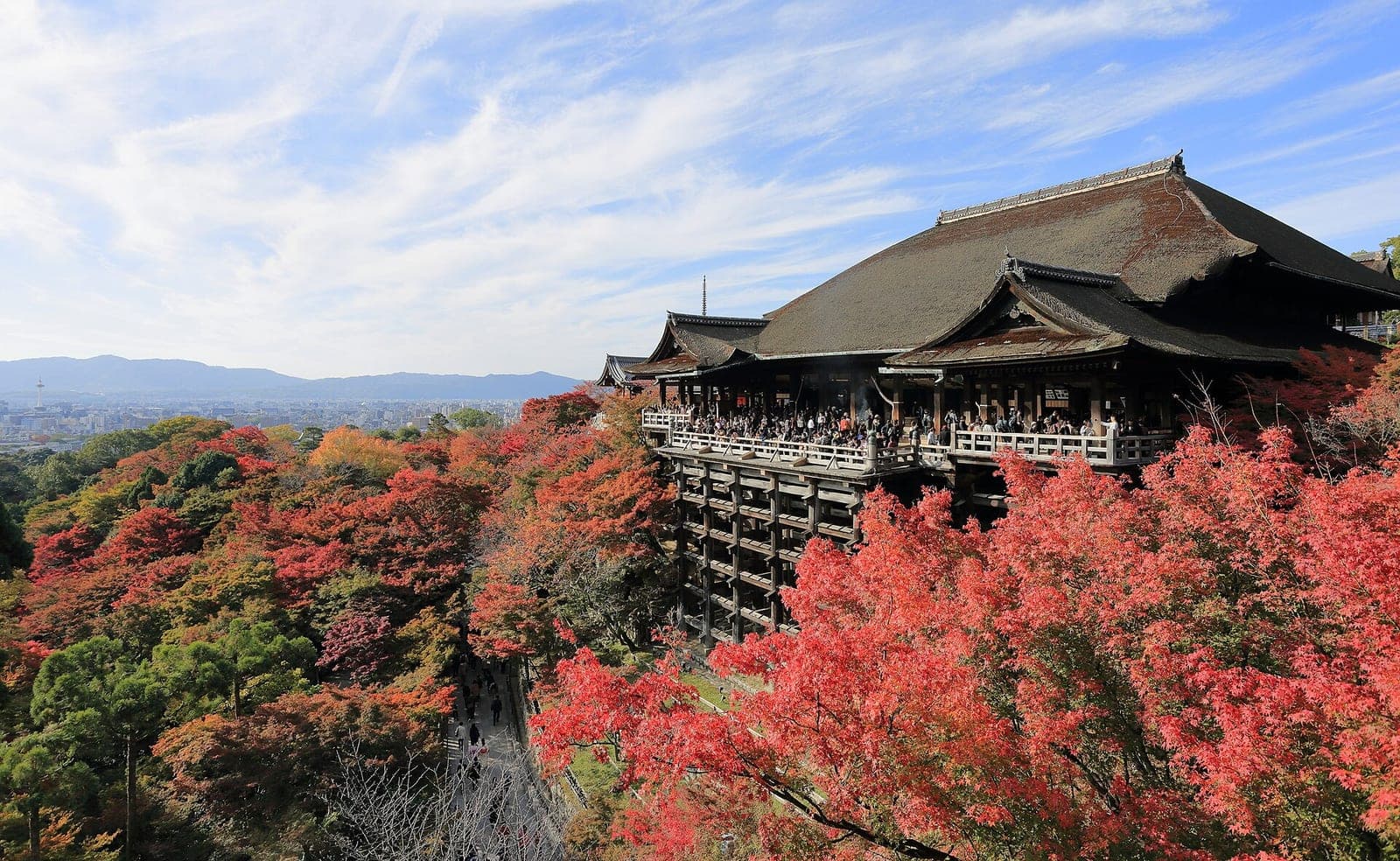
Kiyomizu-dera Temple

Kiyomizu-dera Temple

★★★★★

One of Kyoto's defining sights. Its hillside stage looks across the city, framed by cherry blossom in spring and maple color in autumn.

Allow
2–3 hours
Best time
6:00–9:00 AM
Best for
First visits, photography, kimono walks and families
Suggested walk

Kiyomizu-dera → Sannenzaka → Ninenzaka → Yasaka Pagoda → Nene-no-michi → Yasaka Shrine → Gion

The temple opens at 6:00 AM. Go early to enjoy Higashiyama before its busiest hours.
02

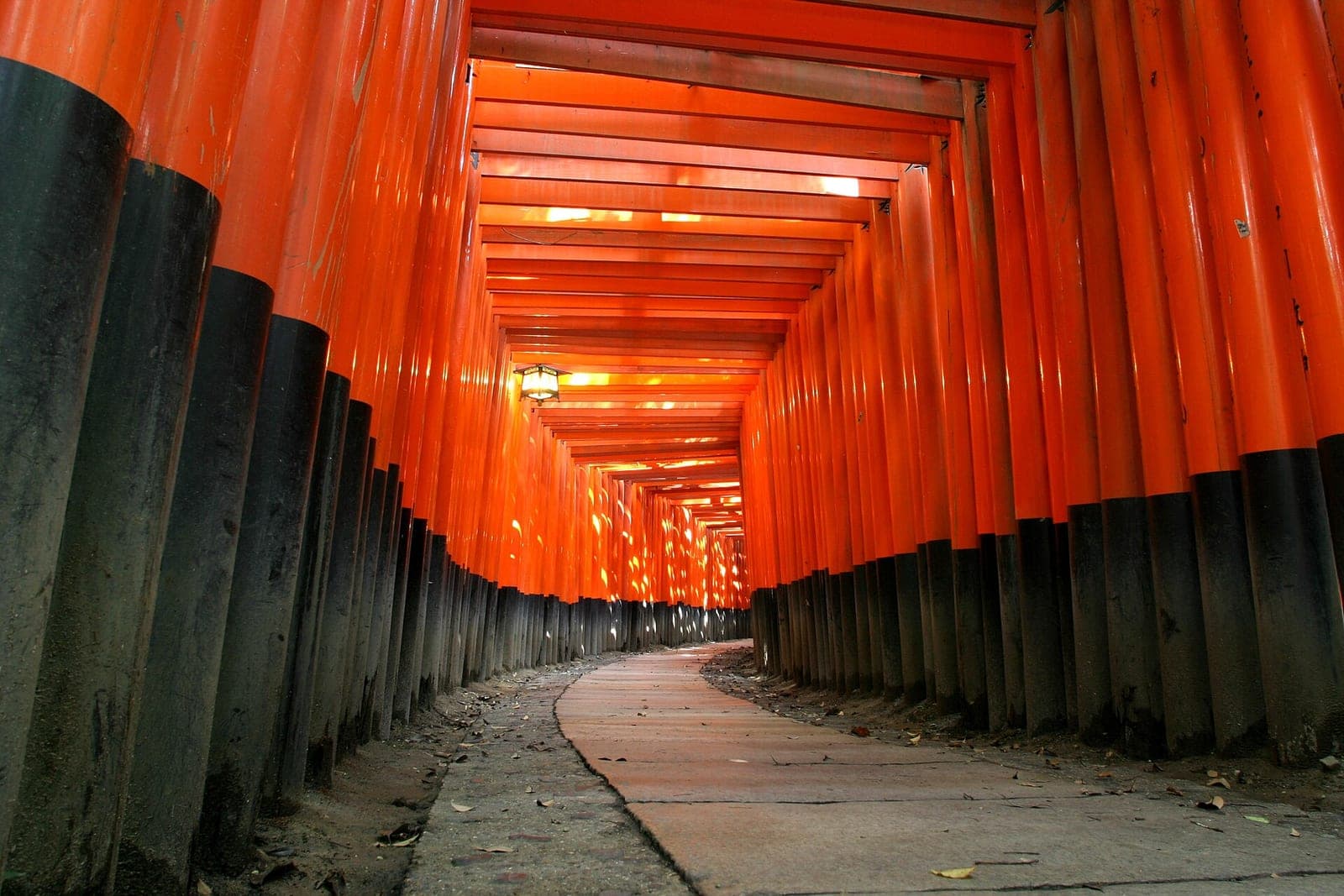
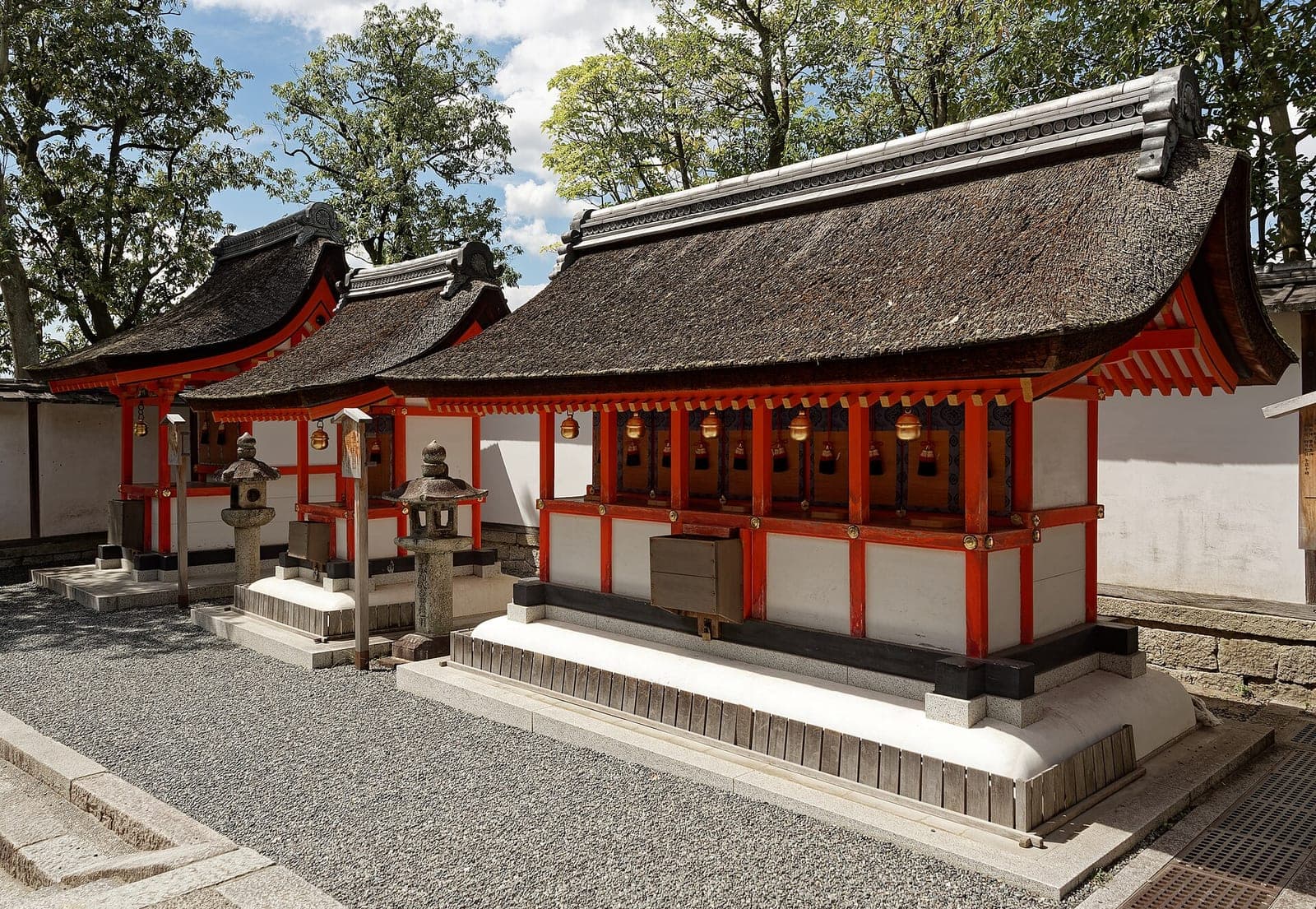
Fushimi Inari Taisha

Fushimi Inari Taisha

★★★★★

Kyoto's most recognizable shrine is known for thousands of vermilion torii climbing Mount Inari. A first visit does not need to include the full summit trail.

Allow
1.5–2.5 hours
Best time
Before 7:00 AM or near dusk
Best for
Photography, walking and shrine culture

Suggested walk

Senbon Torii → Okusha Hohaisho → the area around Kumatakasha

JR Inari Station is about nine minutes from Kyoto Station on the Nara Line. The shrine entrance is directly outside.

03

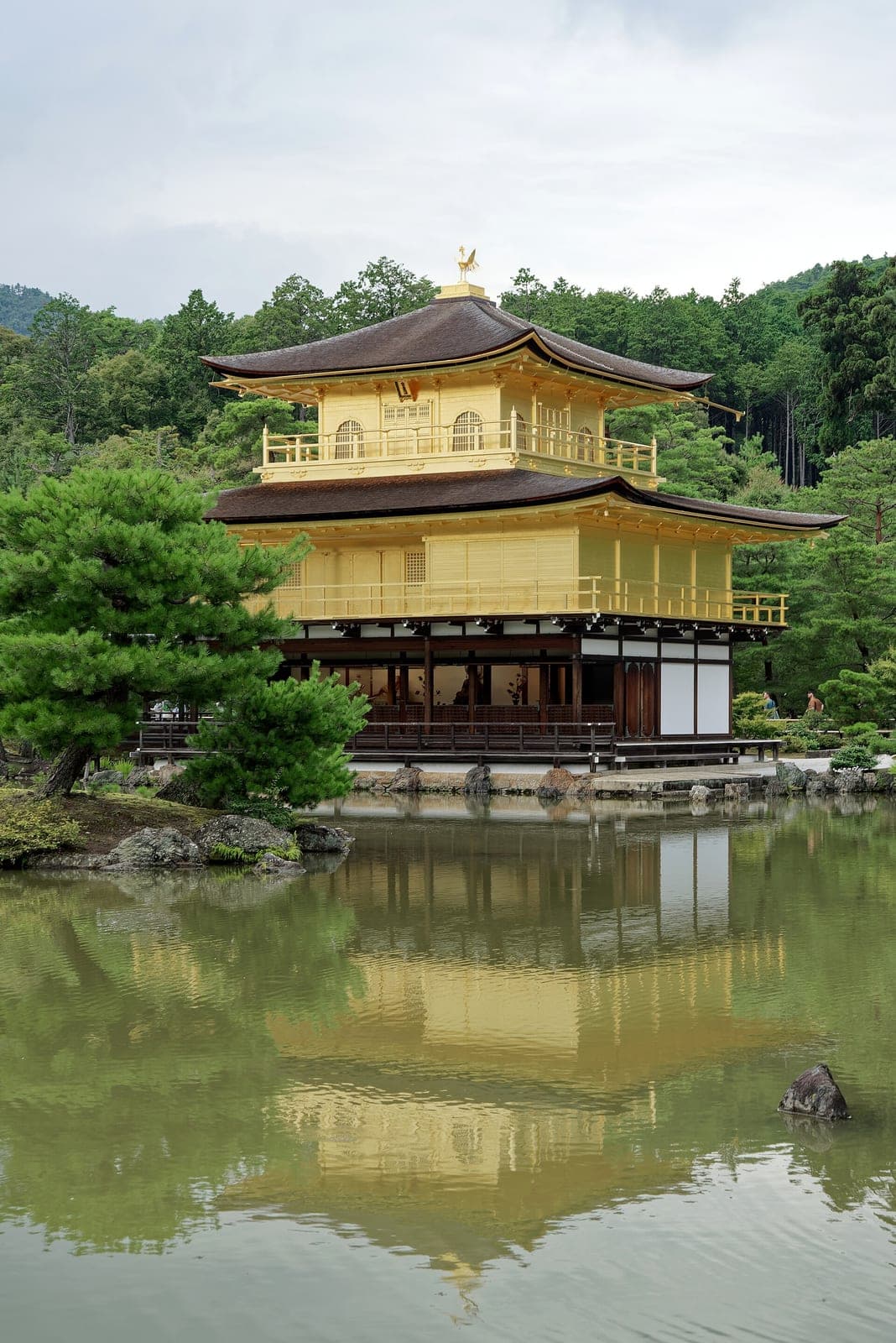
Kinkaku-ji Temple

Kinkaku-ji Temple

★★★★★

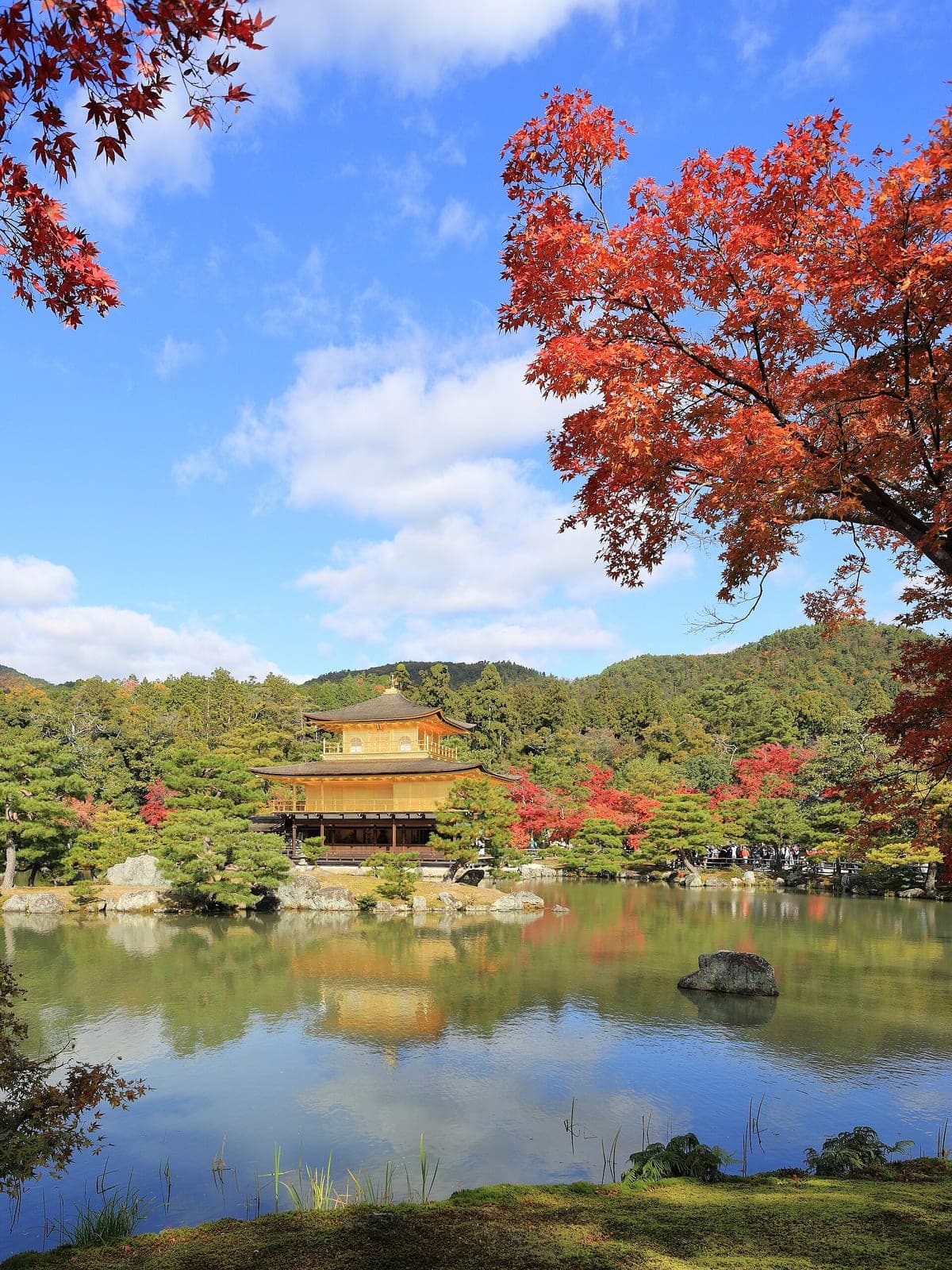
The Golden Pavilion reflected in Kyokochi Pond is one of Kyoto's signature views. The compact, fixed route pairs easily with Ryoan-ji, Ninna-ji or Kitano Tenmangu.

Allow
1–1.5 hours
Best time
Soon after opening
Best for
First visits, architecture and families

From Kyoto Station, subway to Kitaoji followed by bus 204 or 205 is often steadier than taking a bus for the full journey.

04

Arashiyama

Arashiyama

★★★★★

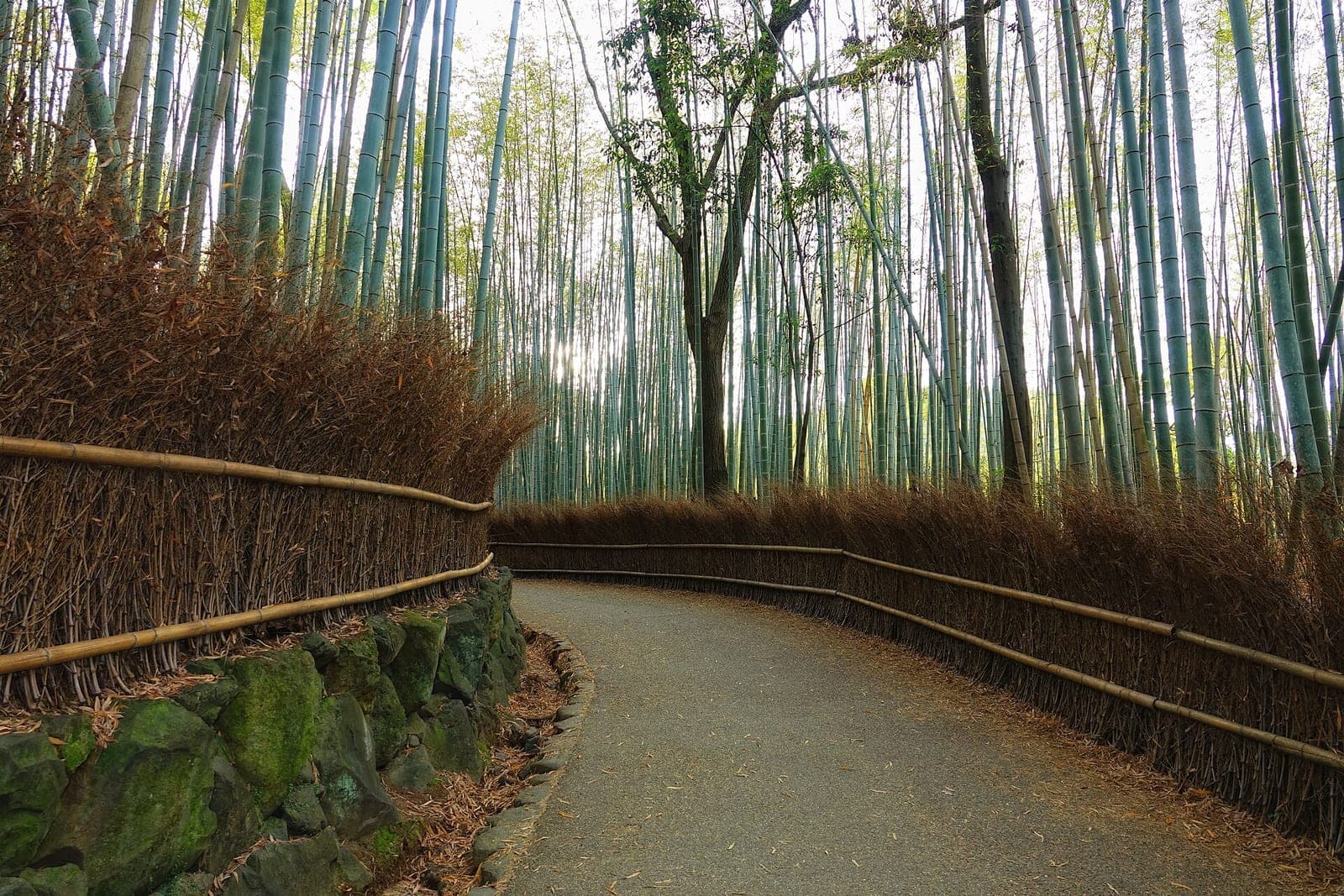
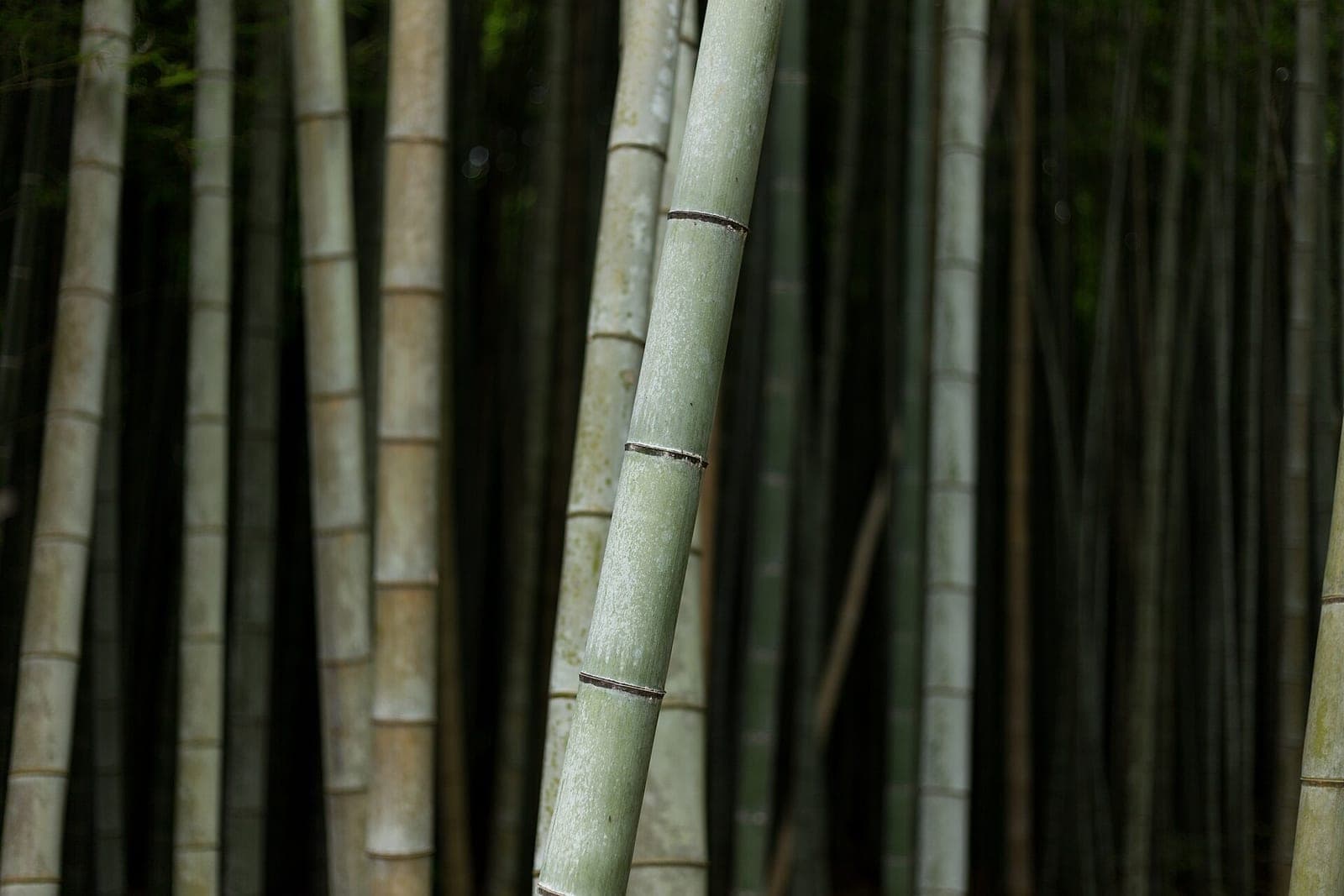
A classic Kyoto landscape of bamboo, river, mountains, temples and gardens. Start with the most popular places, then continue into quieter Sagano if time allows.

Allow
Half a day
Best time
Before 8:00 AM
Best for
Nature, couples, families and photography

Suggested walk

Togetsukyo Bridge → Tenryu-ji → Bamboo Grove → Nonomiya Shrine

Add if time allows

Jojakko-ji TempleOkochi Sanso GardenSagano Scenic RailwayHozugawa River Boat Ride

The grove becomes very busy after midday. Visit the bamboo and Tenryu-ji first, then stop near Togetsukyo Bridge for lunch.

05

Gion & Hanamikoji Street

Gion & Hanamikoji Street

★★★★★

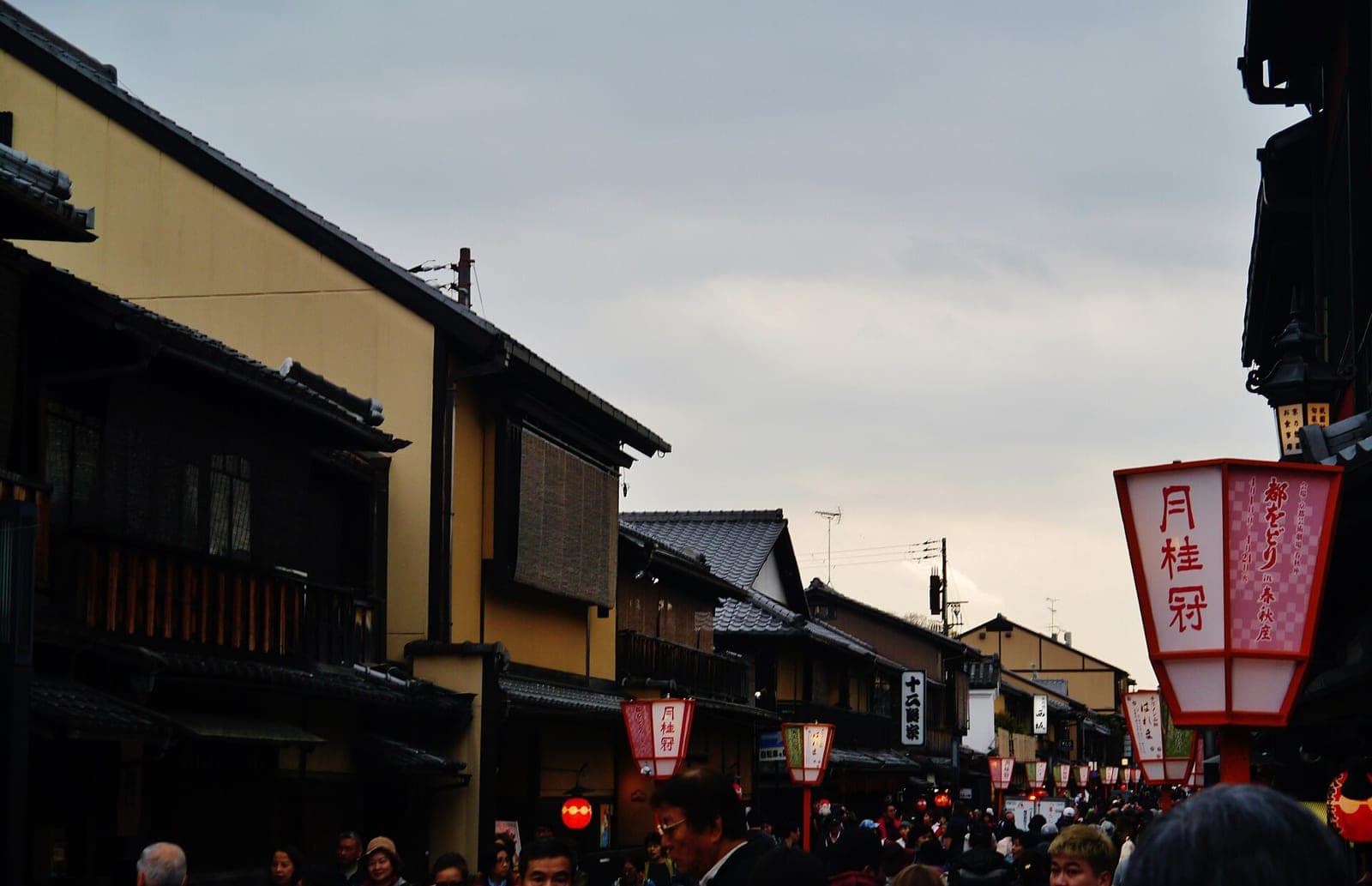
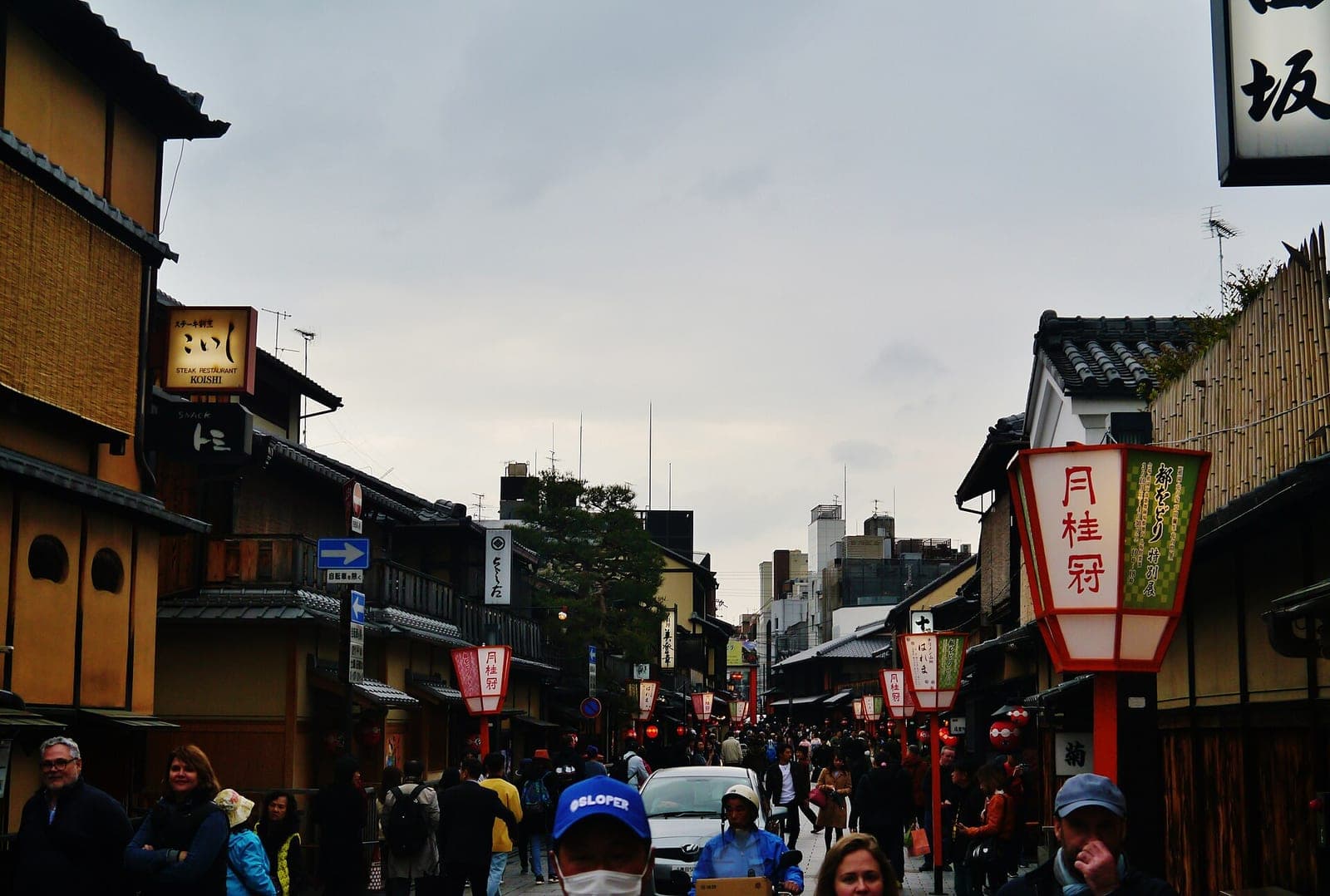
Gion is not simply a place to spot geiko. Its machiya townhouses, teahouses, stone lanes, dining culture and evening atmosphere make it one of Kyoto's most important historic districts.

Allow
1.5–2 hours
Best time
Late afternoon to evening
Best for
Walking, evening scenes, architecture and food

Suggested walk

Yasaka Shrine → Hanamikoji Street → Kennin-ji → Tatsumi Bridge and Shirakawa

Local etiquette

  • · Do not photograph geiko or maiko without permission.
  • · Never follow, block or touch another person.
  • · Do not enter private lanes or homes.
  • · Keep moving and do not stage photos in the middle of the road.

06

Nijo-jo Castle

Nijo-jo Castle

★★★★

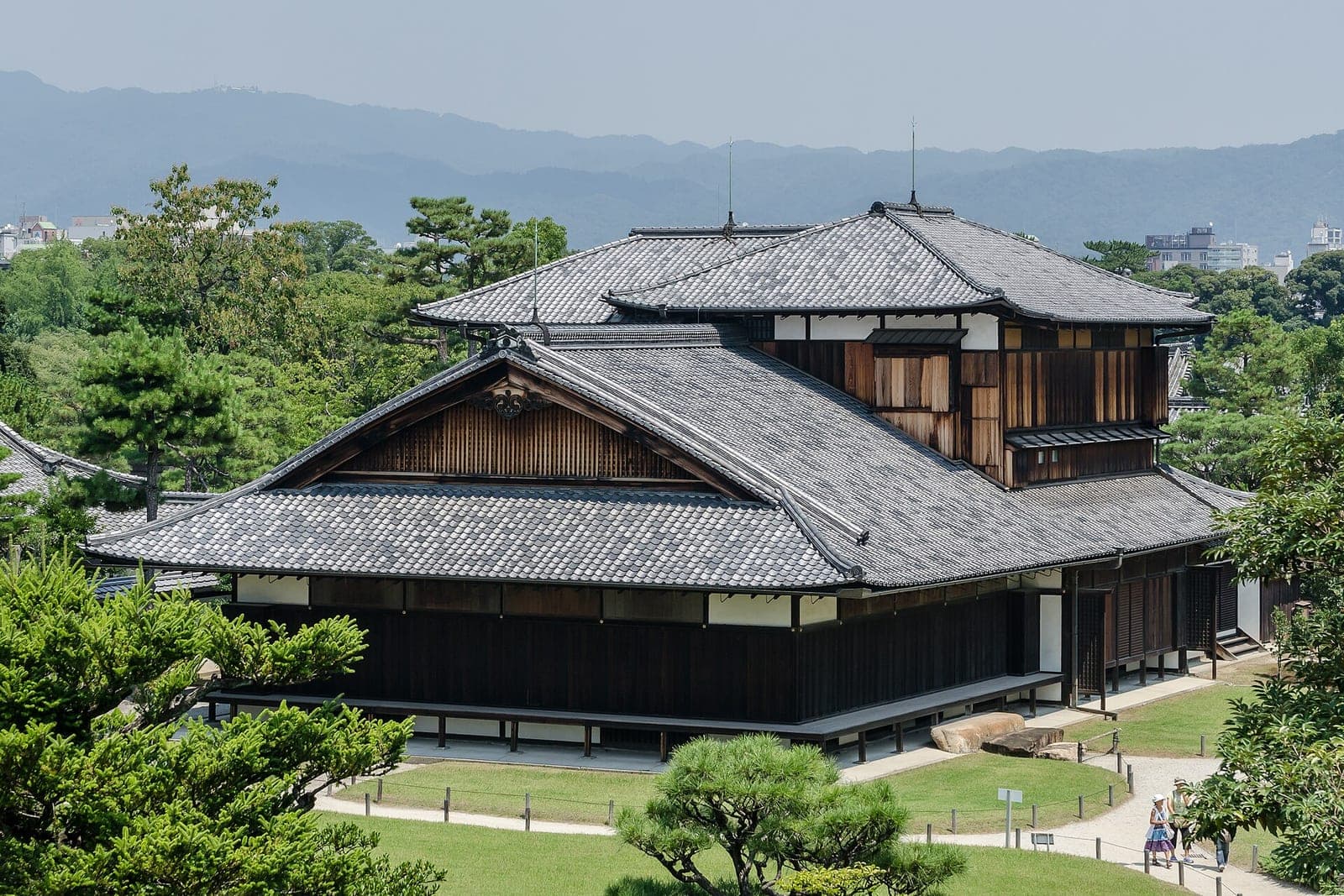
A former Kyoto base of the Tokugawa shogunate. Its palaces, screen paintings and gardens reveal a side of Kyoto beyond temples and shrines.

Allow
1.5–2 hours
Best for
Japanese history, architecture and gardens

Add if time allows

Karamon GateNinomaru PalaceNightingale floorsNinomaru Garden and Honmaru area

From Kyoto Station, take the JR Sagano Line to Nijo, then the subway to Nijojo-mae.

07

Yasaka Shrine

Yasaka Shrine

★★★★

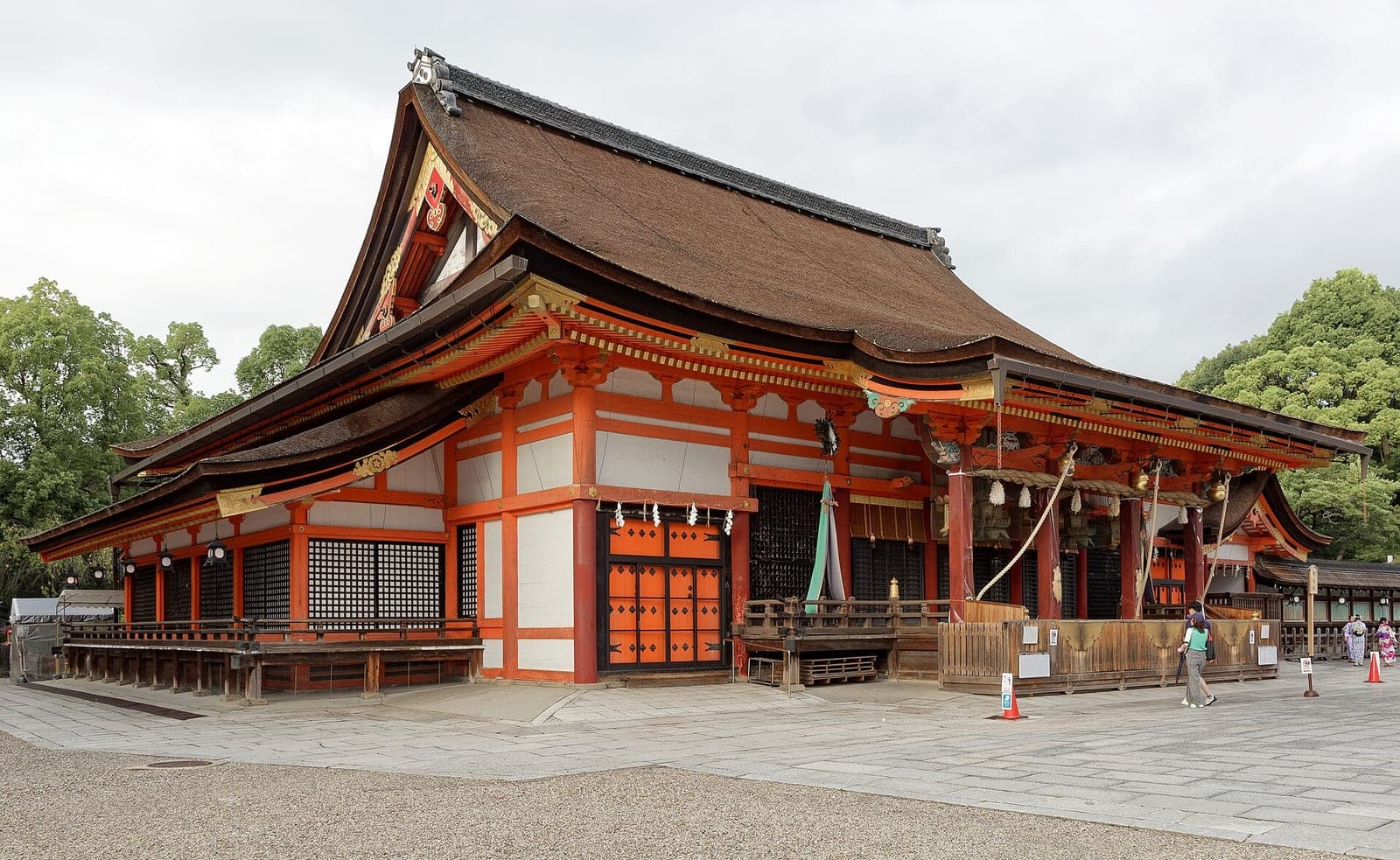
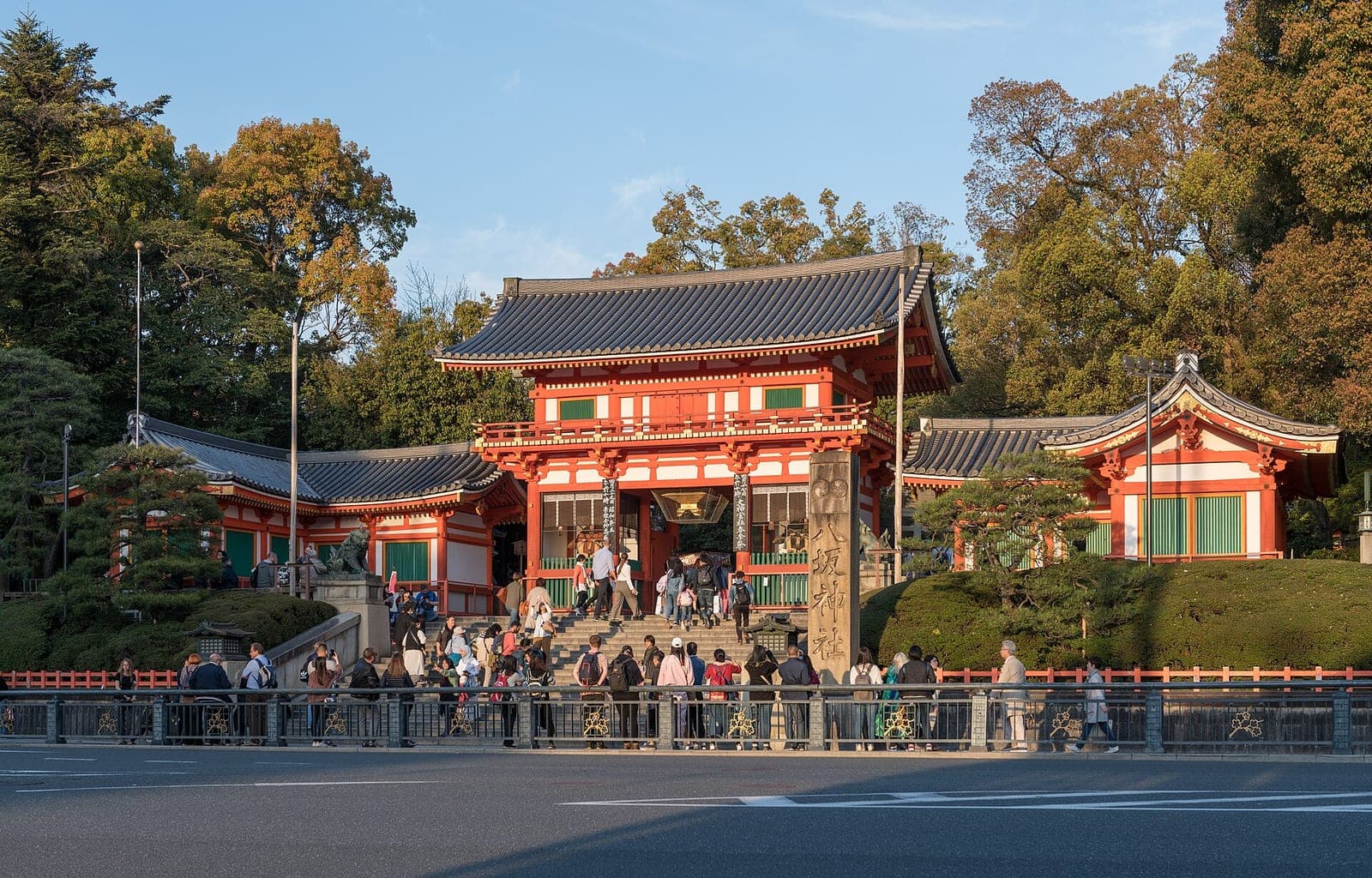
A landmark shrine at the eastern edge of Gion and closely connected with the Gion Festival. Its central location makes it easy to weave into a Higashiyama walk.

Allow
30–60 minutes
Best time
Late afternoon or evening
Best for
Gion walks, evening light and shrine culture

Suggested walk

Gion → Yasaka Shrine → Maruyama Park → Nene-no-michi → Kodai-ji → Kiyomizu-dera

08

Sanjusangen-do Temple

Sanjusangen-do Temple

★★★★

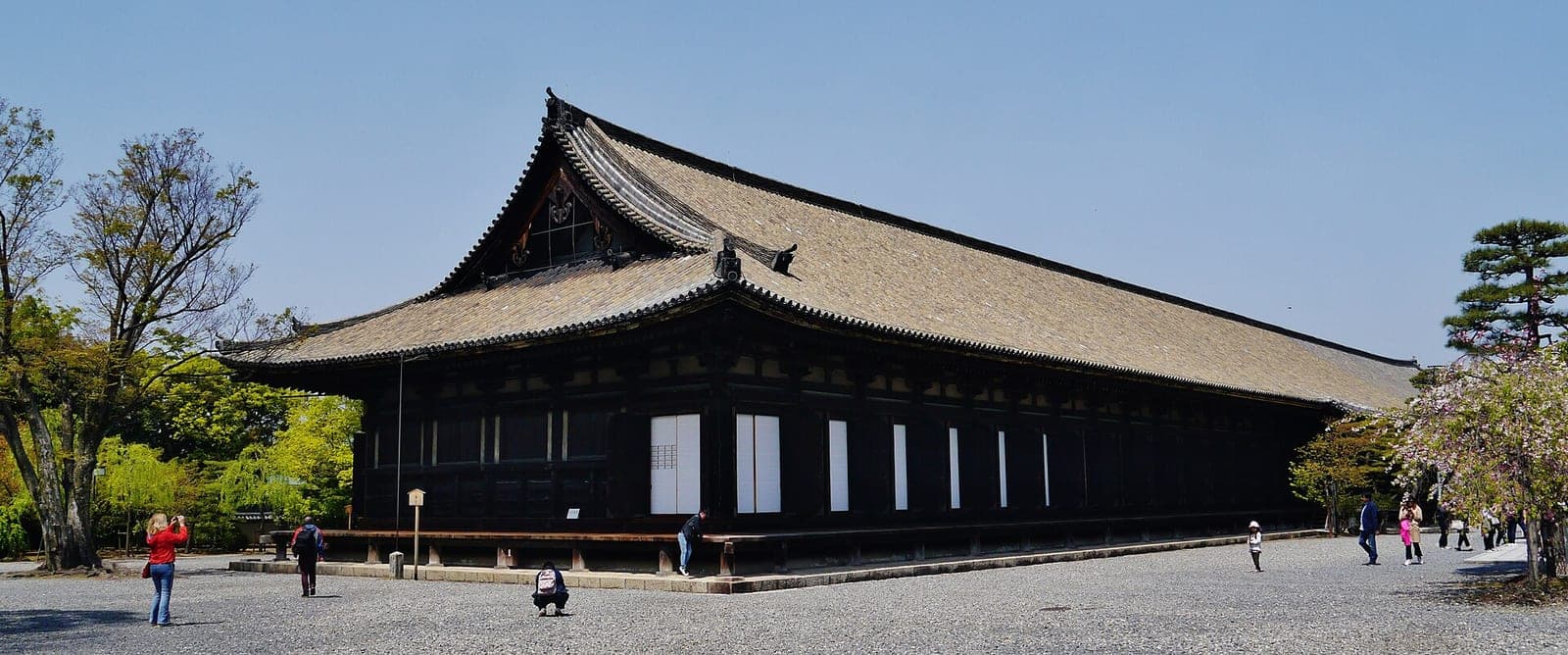
A long, understated hall filled with rows of Thousand-armed Kannon statues. Its interior has a visual force unlike Kyoto's more familiar outdoor landmarks.

Allow
45–60 minutes
Best for
Buddhist art, sculpture and history

It is close to Kyoto Station and the Kyoto National Museum. Photography is normally prohibited inside the hall.

09

Kyoto Station & Kyoto Tower

Kyoto Station & Kyoto Tower

★★★★

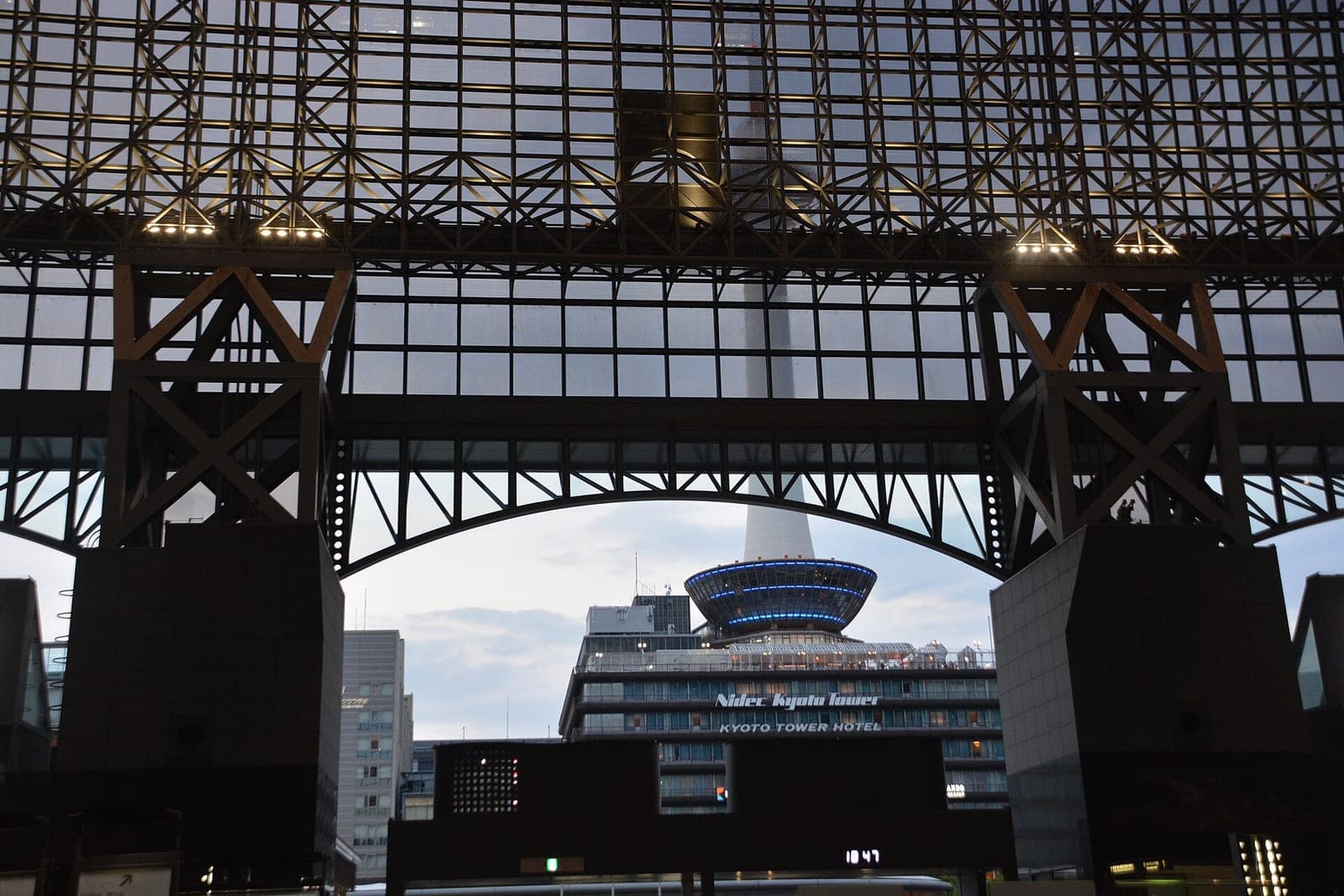
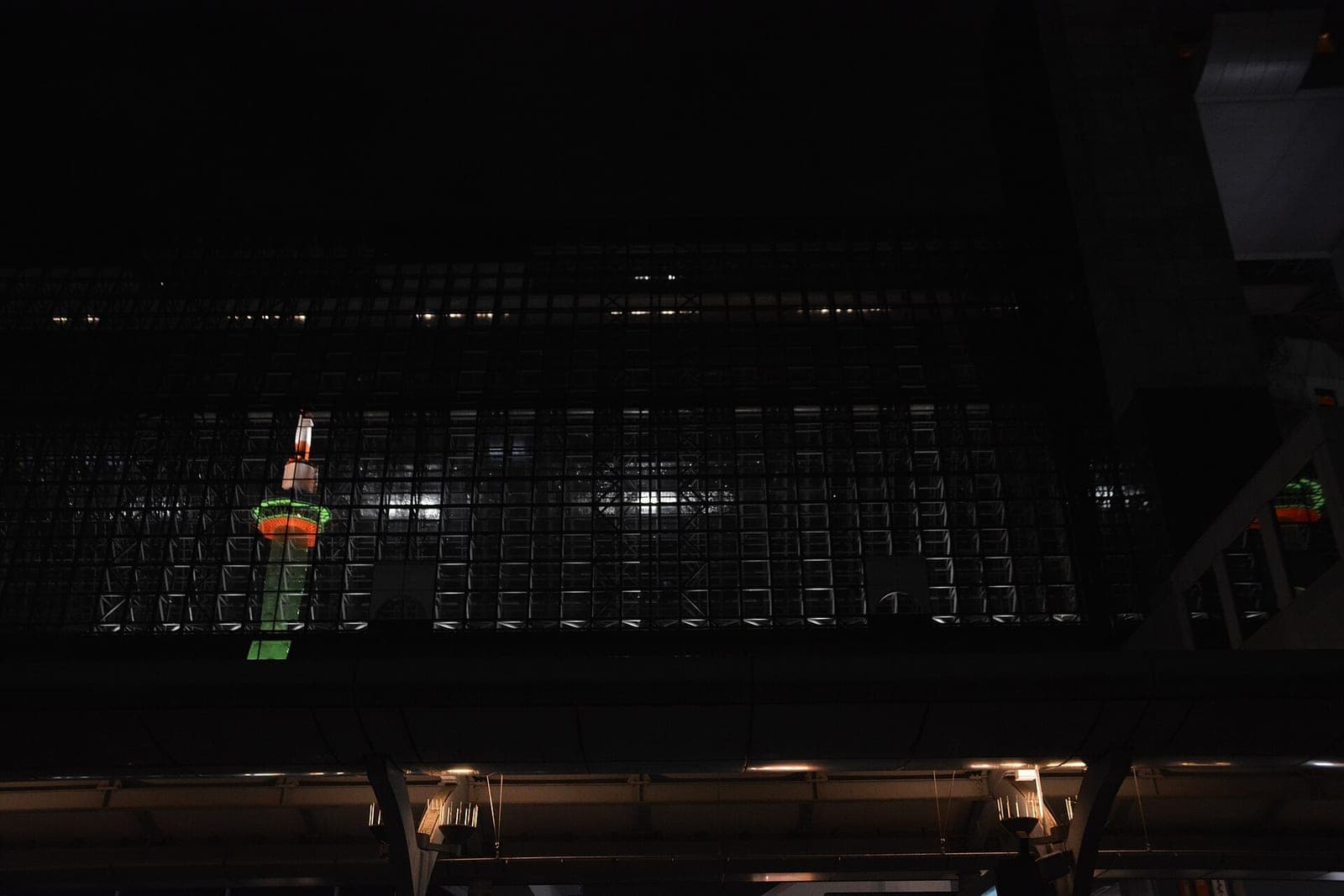
Kyoto Station's vast modern architecture is a striking counterpoint to the old city. Its skyway, grand stairs, viewpoints, restaurants and shops make it useful on arrival, departure or a rainy day.

Allow
1–2 hours
Best time
Arrival day, before departure or after dark
Best for
Shopping, night views, rain and transfers

JR Nara Line serves Fushimi Inari; the JR Sagano Line serves Arashiyama and Nijo.

10

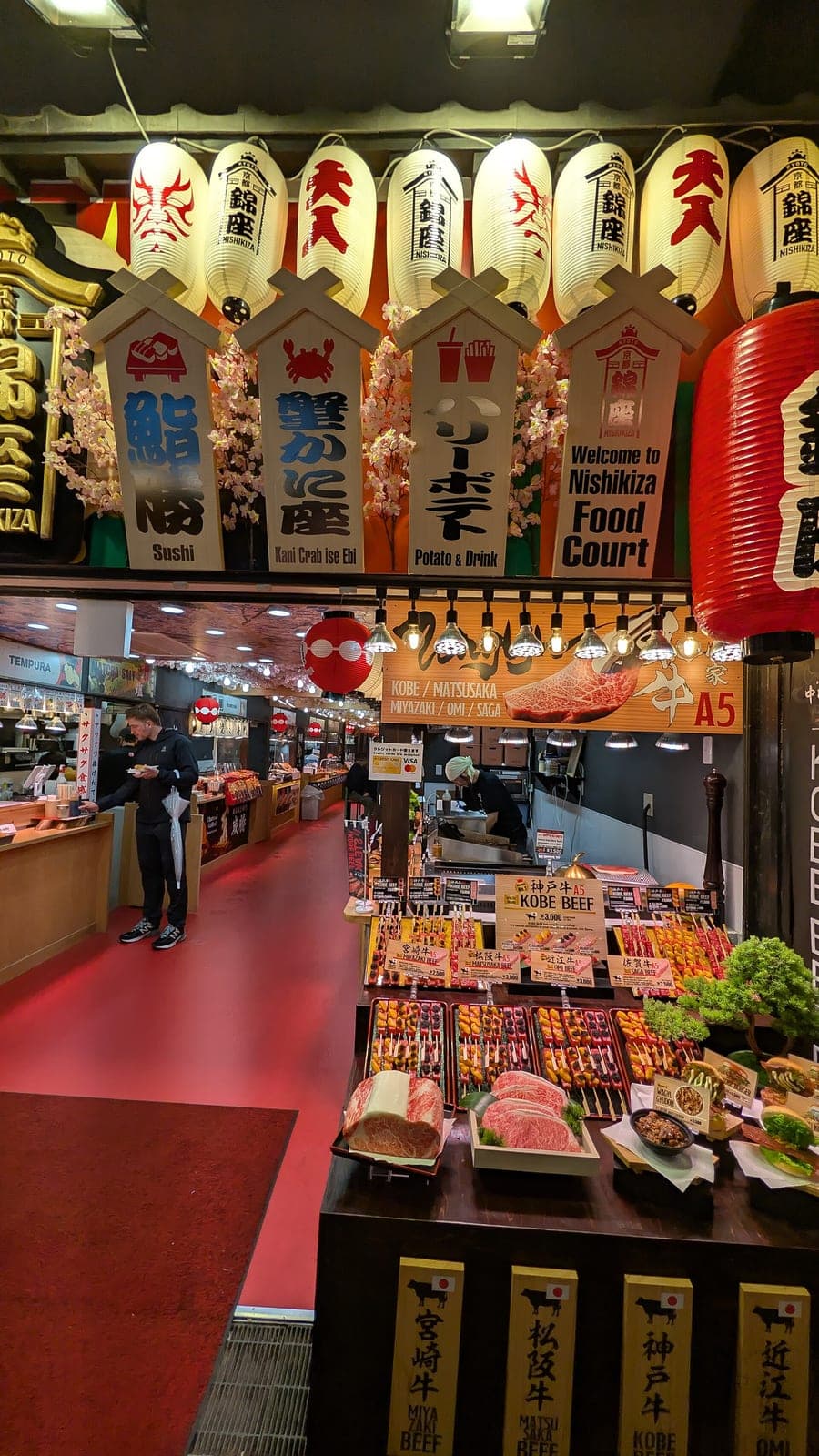
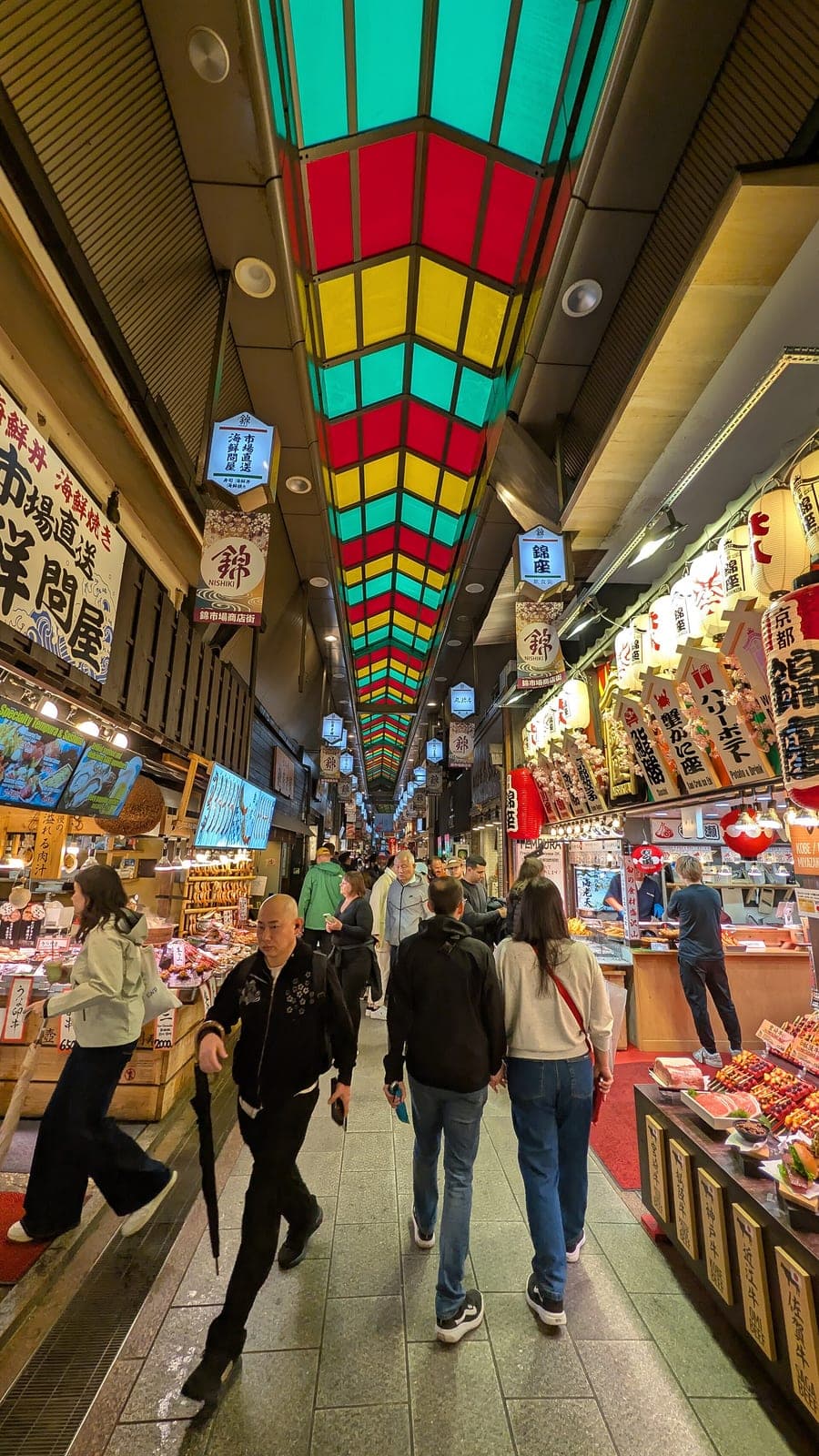
Nishiki Market

Nishiki Market

★★★★

Known as Kyoto's kitchen, this covered market is a compact introduction to pickles, tofu, matcha sweets, rolled omelet, seafood and traditional snacks.

Allow
1–1.5 hours
Best time
10:00 AM–3:00 PM
Best for
Food, shopping and rainy days

Some shops do not allow walking while eating. Finish food in the designated area before continuing.

Kyoto 08

Eight Kyoto essentials

Short on time? These eight places cover Kyoto's temples, shrines, streets, nature and shogunate history.

  1. 01Kiyomizu-dera
  2. 02Ninenzaka & Sannenzaka
  3. 03Gion & Hanamikoji
  4. 04Fushimi Inari Taisha
  5. 05Kinkaku-ji
  6. 06Arashiyama Bamboo Grove
  7. 07Togetsukyo Bridge
  8. 08Nijo-jo Castle