Skip to content
KWKyoto WayfinderAn independent Kyoto travel guide
Back to History Stories

Independent place histories

Kiyomizu-dera: A Stage Above the City

A temple shaped by pilgrimage, timber craft and the changing view of Kyoto.

Official name
音羽山 清水寺
Place type
Buddhist temple
Established / formed
Founded in 778; the present stage dates largely from the early Edo period.

01

The history of this place

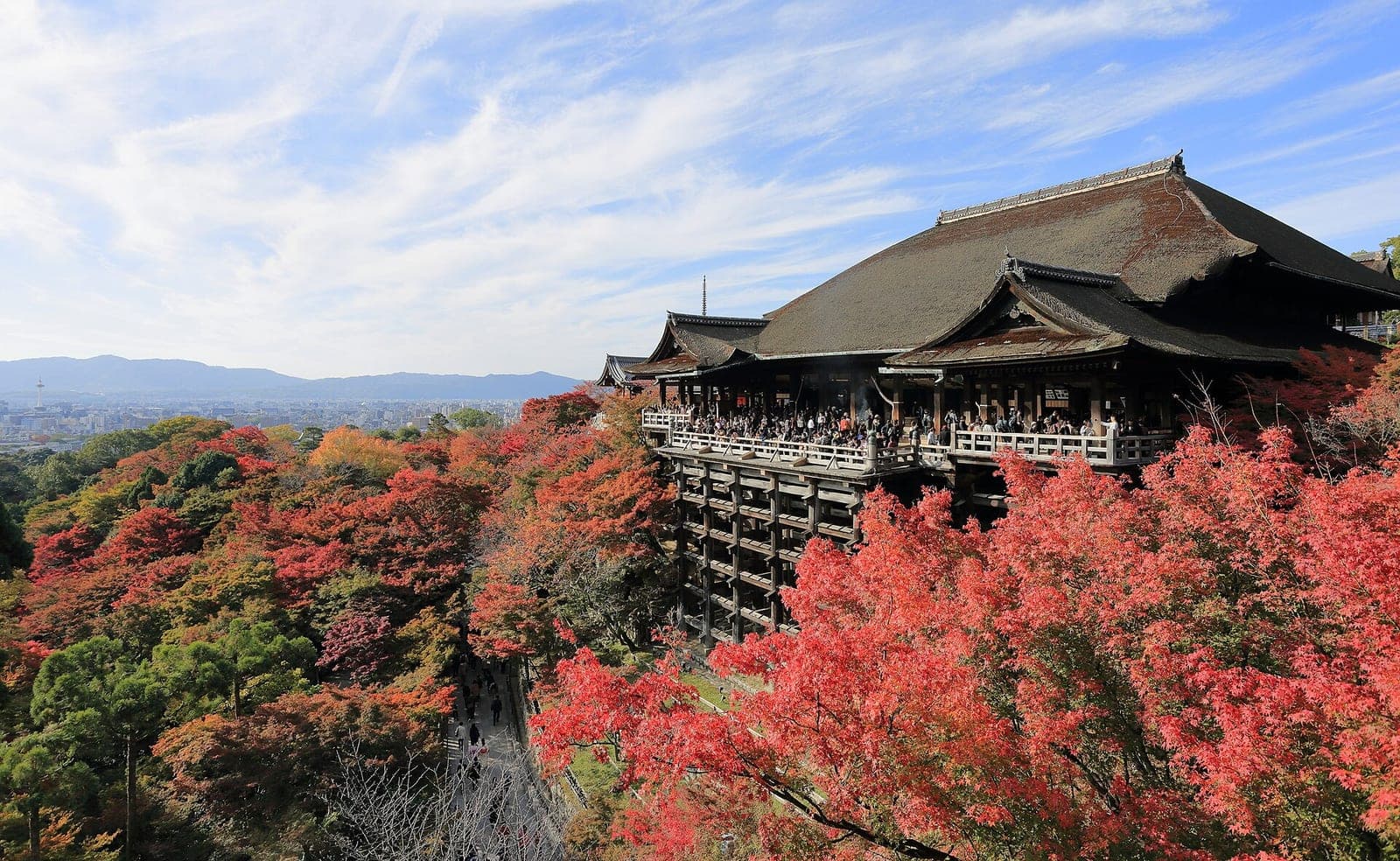
Kiyomizu-dera grew from a small worship site on Otowa Mountain into one of Kyoto's great pilgrimage temples. Its name refers to the clear spring below the main hall. The present buildings were rebuilt many times after fire, while the overall route still follows the logic of a mountain visit: pass through gates, climb gradually, pause at the stage, then descend toward the spring. The wooden main stage is assembled without nails, making the building itself part of the story.

02

A suggested visit order

  1. 01Niomon Gate
  2. 02West Gate
  3. 03Three-Story Pagoda
  4. 04Zuigudo Hall
  5. 05Jishu Shrine
  6. 06Main Hall
  7. 07Kiyomizu Stage
  8. 08Asakura-do Hall
  9. 09Oku-no-in Hall
  10. 10Otowa Waterfall
  11. 11Koyasu Pagoda

03

What to See Inside

A temple built for movement

01What to See Inside

01

Niomon Gate

Niomon

Place type

The first strong architectural marker at the top of the approach.

The history of this place

The gate was rebuilt after fire and marks the transition from the city street into the temple precinct.

What to notice

  • Look for the vermilion gate against the mountain slope.
  • Notice the guardian figures and the layered roof.
  • Pause before walking straight into the main precinct.

On-location guide

This gate is the threshold. Give your eyes a moment to adjust from the busy approach to the slower rhythm inside.

02What to See Inside

02

West Gate

Sai-mon

Place type

A ceremonial gate with a view toward the western sky.

The history of this place

The west-facing gate is part of the temple's ritual approach and preserves the layered threshold between approach, worship and outlook.

What to notice

  • Notice the gate's decorated roofline.
  • Look toward the city side of the precinct.
  • Keep the passage open for worshippers.

On-location guide

The West Gate is a small pause in the ascent. Read it as a ritual threshold, not just another photo frame.

03What to See Inside

03

Three-Story Pagoda

Sanjunoto

Place type

A vermilion pagoda rising above the temple approach.

The history of this place

The pagoda is a visual marker of the temple precinct and a reminder of the Buddhist tradition of expressing sacred presence vertically.

What to notice

  • Compare its scale with the surrounding trees.
  • Look for the finial above the roof tiers.
  • Notice how its color changes in different light.

On-location guide

The pagoda helps you orient yourself. It is both an object of devotion and a landmark within the mountain route.

04What to See Inside

04

Zuigudo Hall

Zuigudo

Place type

A small hall associated with a symbolic underground passage.

The history of this place

The hall is connected with a practice of moving through darkness as a prayer for rebirth and spiritual renewal.

What to notice

  • Check whether the underground passage is open.
  • Follow the posted guidance and move slowly.
  • Keep voices low in the small interior.

On-location guide

This is a compact experience, but its meaning is large: the darkness turns a short walk into a moment of trust and reset.

05What to See Inside

05

Jishu Shrine

Jishu-jinja

Place type

A site historically associated with love and local tutelary belief.

The history of this place

The shrine sits within the wider Kiyomizu religious landscape, though access and opening status can change during conservation work.

What to notice

  • Check current access before planning around it.
  • Respect any temporary barriers.
  • Do not reduce the site to a photo challenge.

On-location guide

If the shrine is open, read it as part of the area's layered belief system rather than as a separate attraction.

Main Hall

Photo: Wikimedia Commons · Mti · CC BY-SA 3.0

06

Main Hall

Hondo

Place type

The devotional center of the temple, set above the hillside.

The history of this place

The hall enshrines Kannon and has been rebuilt in the traditional timber style after repeated fires.

What to notice

  • Notice the deep eaves and compact worship space.
  • Look back toward the roof structure from the side.
  • Keep the central worship area quiet.

On-location guide

The main hall is not only a viewpoint. It is the religious center, so observe the building and the people using it with equal care.

07

Kiyomizu Stage

Kiyomizu-no-Butai

Place type

A large wooden veranda projecting above the trees.

The history of this place

Its famous timber frame rests on layered columns and beams rather than modern nails. The stage has hosted ceremonies, performances and seasonal viewing for centuries.

What to notice

  • Study the interlocking timber beneath the platform.
  • Notice how the stage frames the city and the trees.
  • The view changes with weather and season.

On-location guide

The stage is a piece of carpentry before it is a photo spot. Look down at the joints, then let the view come to you.

08What to See Inside

08

Asakura-do Hall

Asakura-do

Place type

A hall facing the open view across the temple grounds.

The history of this place

The hall reflects the temple's continuing pattern of donor support, rebuilding and layered devotional spaces.

What to notice

  • Notice the contrast between the hall and the open terrace.
  • Look back toward the main stage.
  • Follow the current visitor route.

On-location guide

Use this hall as a quieter vantage point. It helps connect the temple's small rooms to the larger mountain setting.

09What to See Inside

09

Oku-no-in Hall

Oku-no-in

Place type

A hall and terrace looking back toward the main stage.

The history of this place

The inner hall preserves the mountain-temple idea of moving deeper into the precinct before turning back toward the city view.

What to notice

  • Compare its view with the main stage.
  • Notice the layered roofs below.
  • Keep the terrace moving during busy periods.

On-location guide

From here the famous stage becomes part of a larger composition. Look back at the building, not only out at the city.

10What to See Inside

10

Otowa Waterfall

Otowa-no-Taki

Place type

The spring below the main hall that gives the temple its name.

The history of this place

Water from the mountain has long been associated with the temple's founding story and devotional practice.

What to notice

  • Watch how visitors use the long-handled cups.
  • Notice the sound of water beneath the timber buildings.
  • Follow local etiquette and avoid taking more than needed.

On-location guide

The spring is a place of shared ritual. Take your turn, keep the movement brief, and leave room for the next visitor.

11What to See Inside

11

Koyasu Pagoda

Koyasu-no-to

Place type

A pagoda reached on the quieter side of the temple grounds.

The history of this place

The pagoda extends the temple's devotional landscape beyond the main stage and is associated with prayers for safe childbirth.

What to notice

  • Allow extra time for the walk.
  • Notice the change in crowd and slope.
  • Check the current route before setting out.

On-location guide

The Koyasu Pagoda is a useful final movement: the temple becomes less about the famous view and more about a lived landscape of prayer.

Official sources