01
Seasonal access
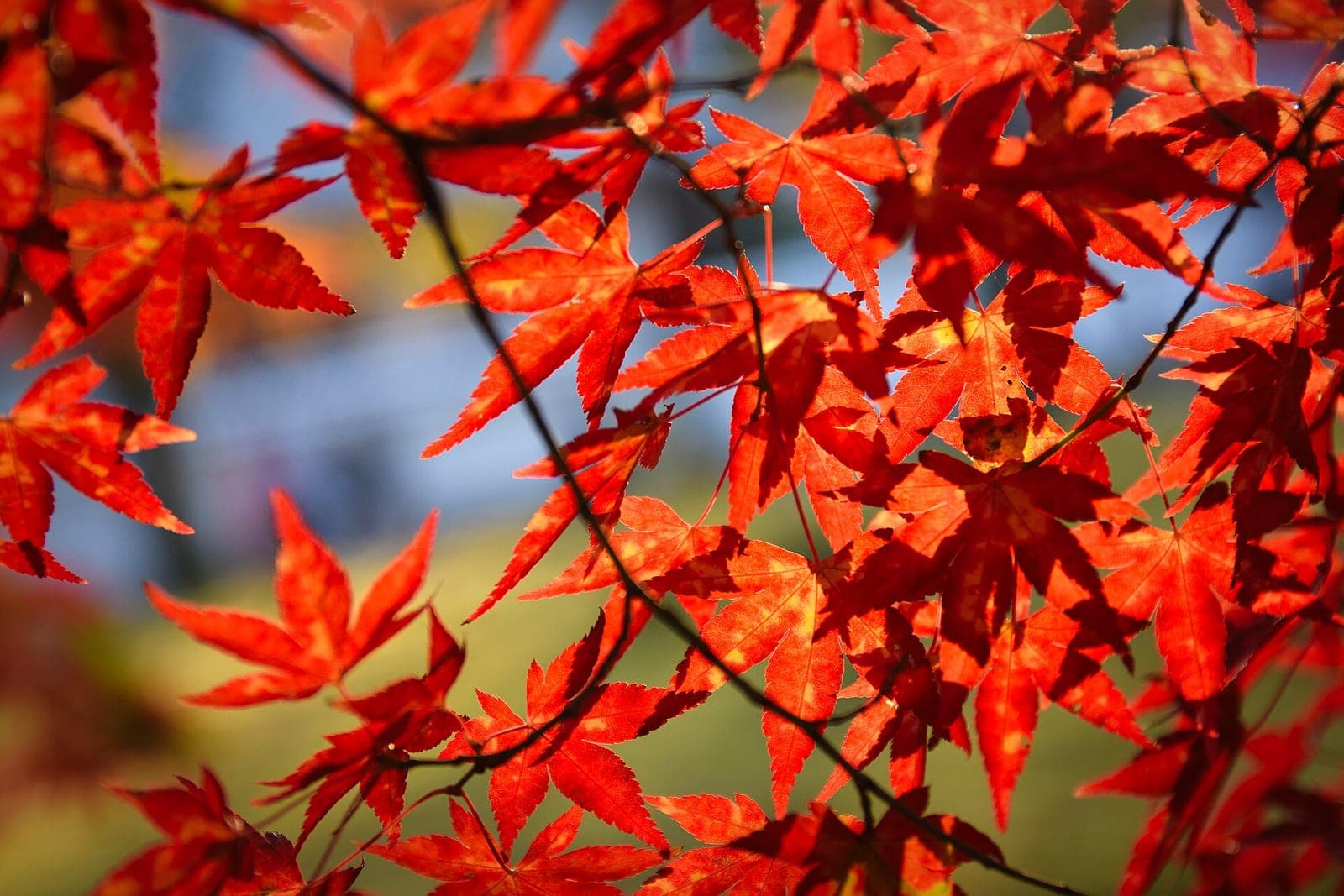
Follow cultural properties, sub-temples, night gardens and rooms that open only for a season.
Spring openingsSummer openingsAutumn night gardensWinter Kyoto

Kyoto journeys
Seasonal openings, remote places and rare cultural access.
DEEP KYOTO
Follow seasons, spaces, craft, faith and everyday life through ten slower Kyoto routes.
SIX LENSES + ART
A place becomes deeper when you understand why it opens, how it is made and who still lives around it.
01
Follow cultural properties, sub-temples, night gardens and rooms that open only for a season.
02
Read circulation, borrowed scenery, water, paving and light across gardens and villas.
03
Meet materials and makers through small workshops, demonstrations and hands-on sessions.
04
Give remote Kyoto a full day for forestry, farms, mountain temples, rivers and village food.
05
Walk where workshops, markets, bathhouses, cafés and old stores still shape daily Kyoto.
06
Small groups and advance access make tea, Noh, incense and temple practice more meaningful.
07
Pair historic spaces with current exhibitions to see how Kyoto carries craft and visual culture into the present.
PLAN BY PURPOSE
Start with the kind of access you want: seasonal, spatial or local. Build the day around one idea.
Approach 1
Choose one or two normally closed sites, then add one museum and a seasonal meal.
Approach 2
Study water, borrowed scenery, paths and sight lines instead of collecting temple names.
Approach 3
Give Ohara, Takao, Rakusai or Keihoku a full day. Remote Kyoto works best without a second agenda.
Approach 4
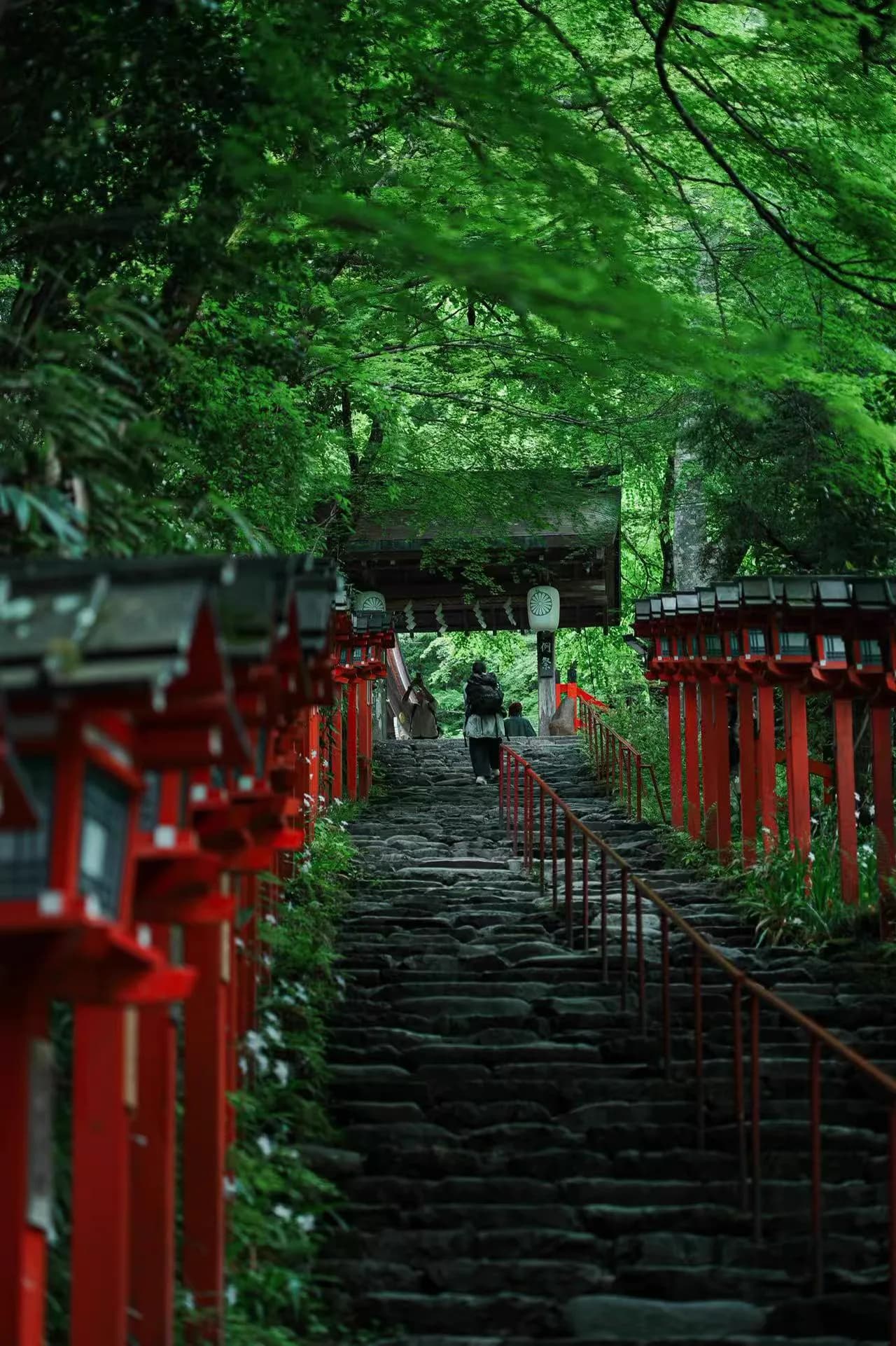
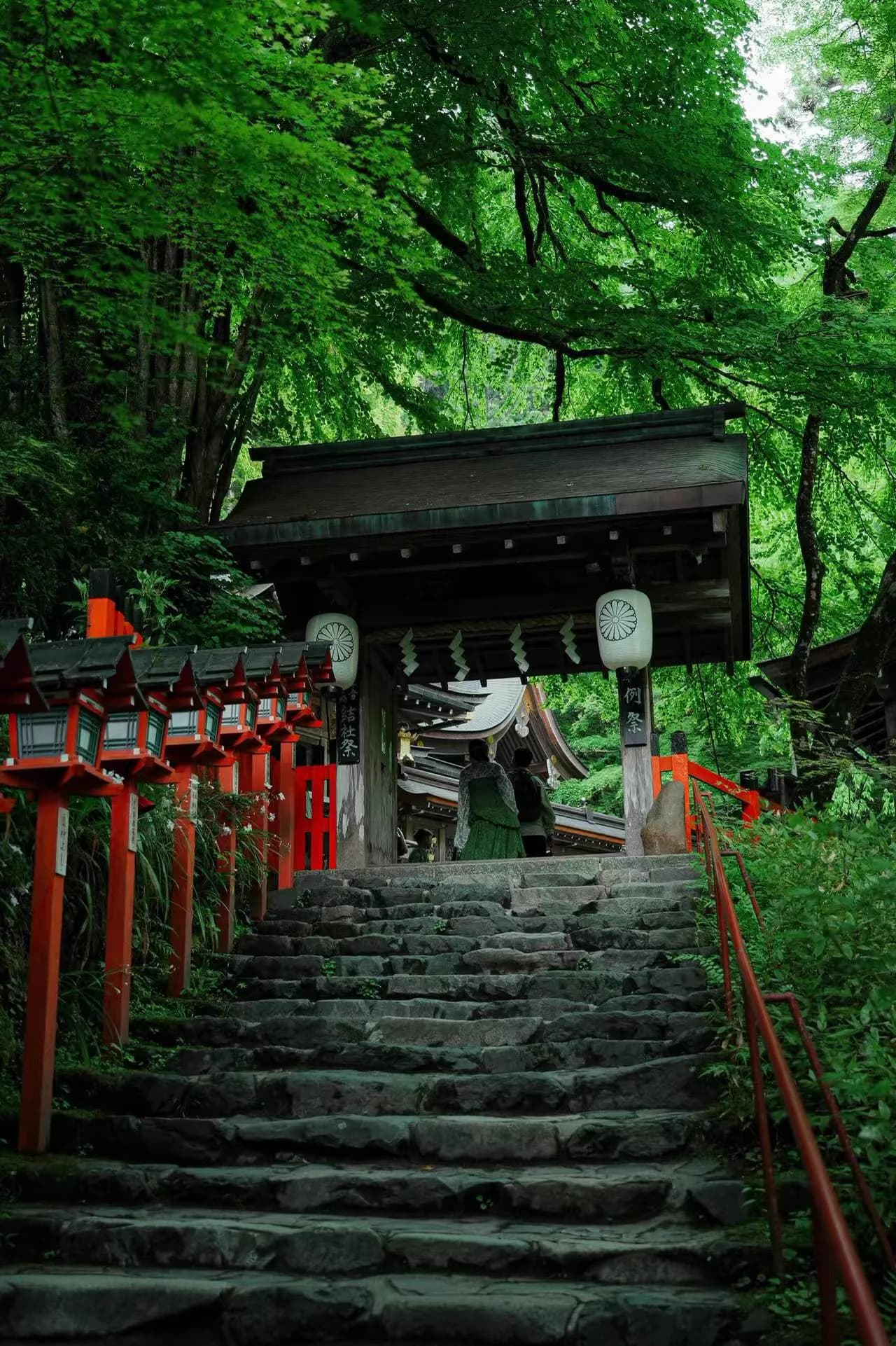
Start early from Kyoto Station for Sanzen-in, continue to the seasonal Ruriko-in, then cross the Kitayama mountains to Kifune Shrine. Allow 9–11 hours and check the last local bus before entering the shrine area.
Plan well
01
Special openings, sub-temples, studios and imperial villas may require current schedules or reservations.
02
Two well-read places are more rewarding than ten rushed stops. Leave time for guides, tea and weather.
03
Walk and use rail in central districts. Consider a private car for Keihoku, Mizuo, Rakusai and dispersed workshops.
01
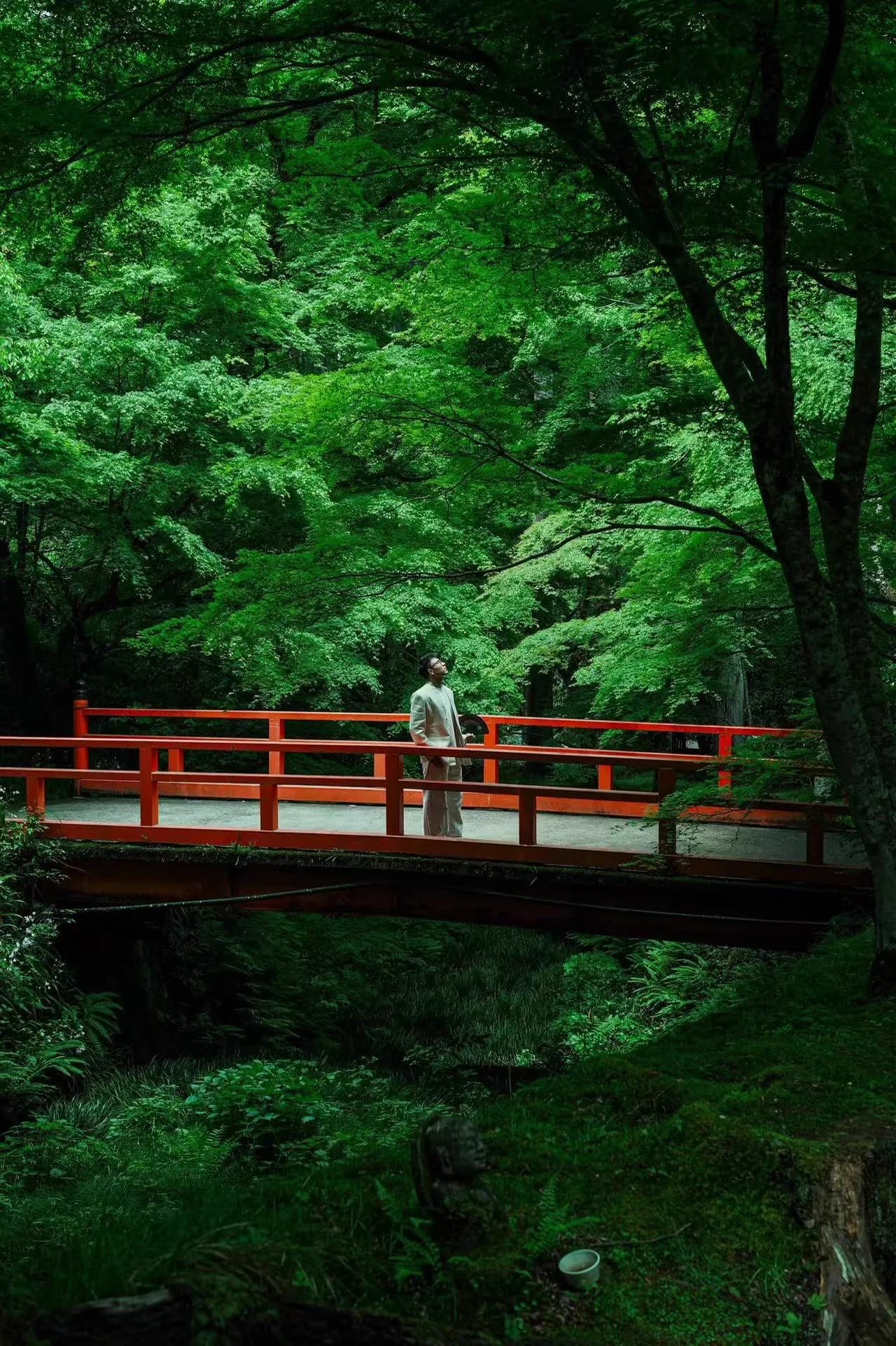
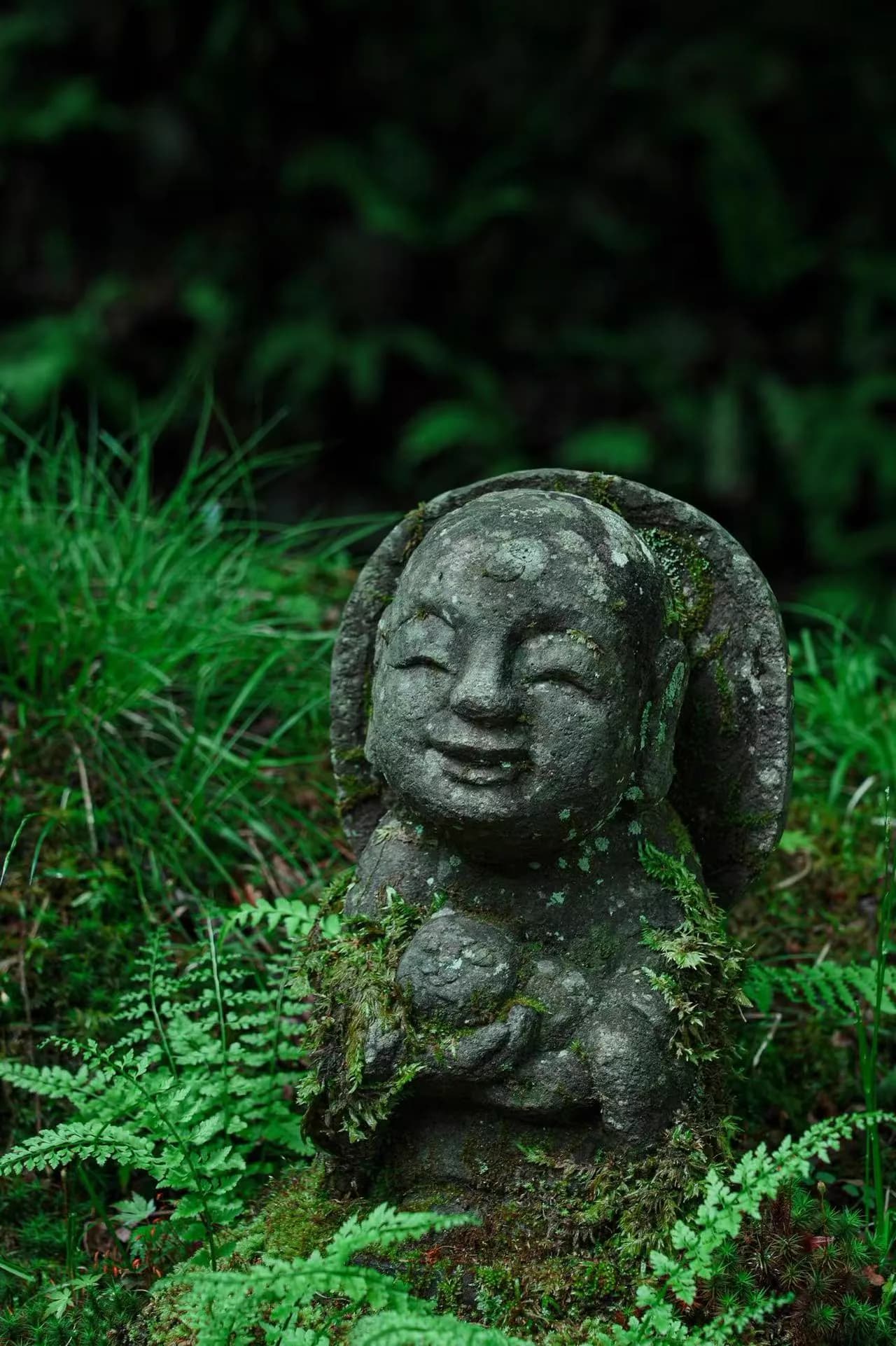
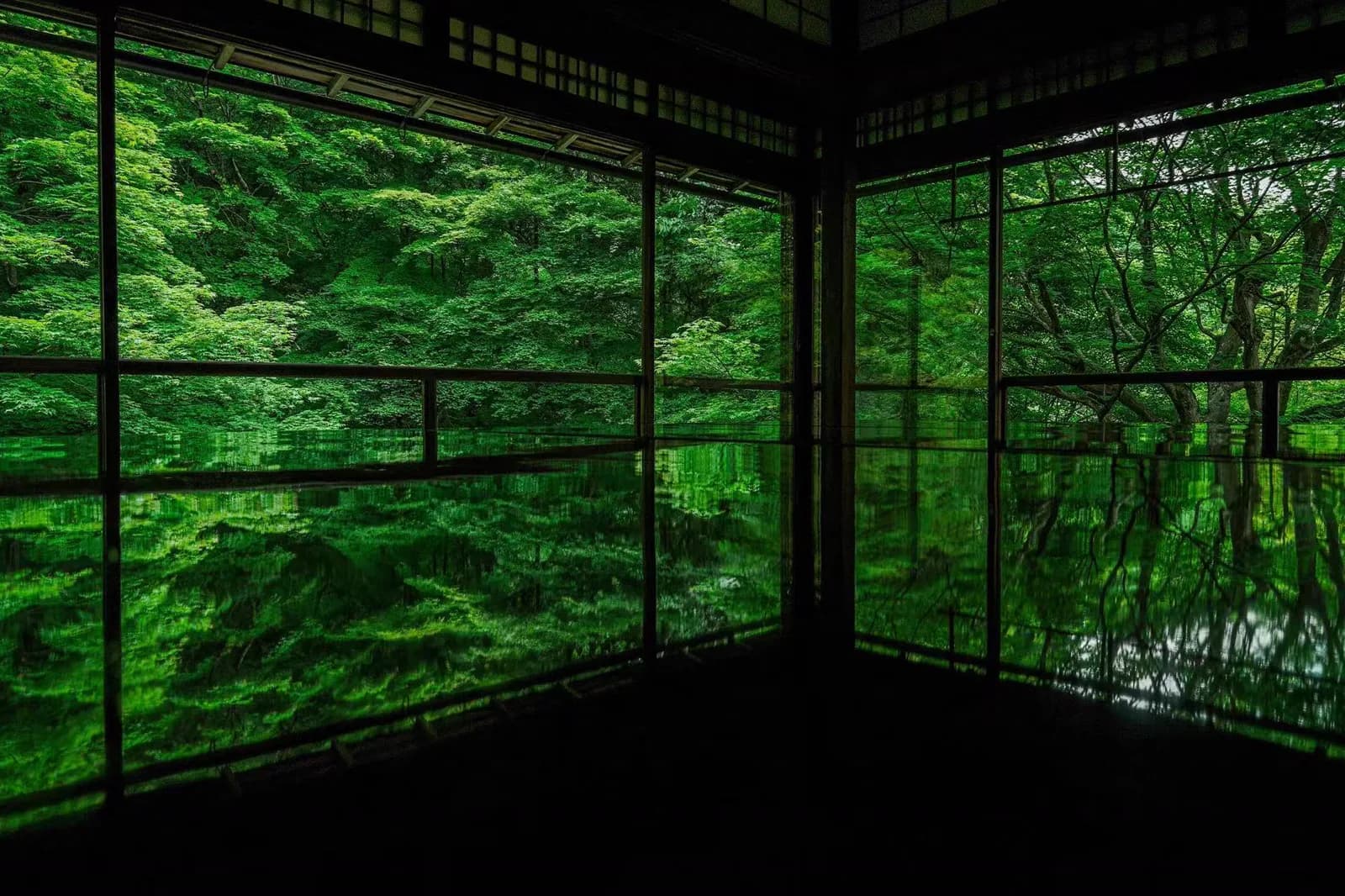
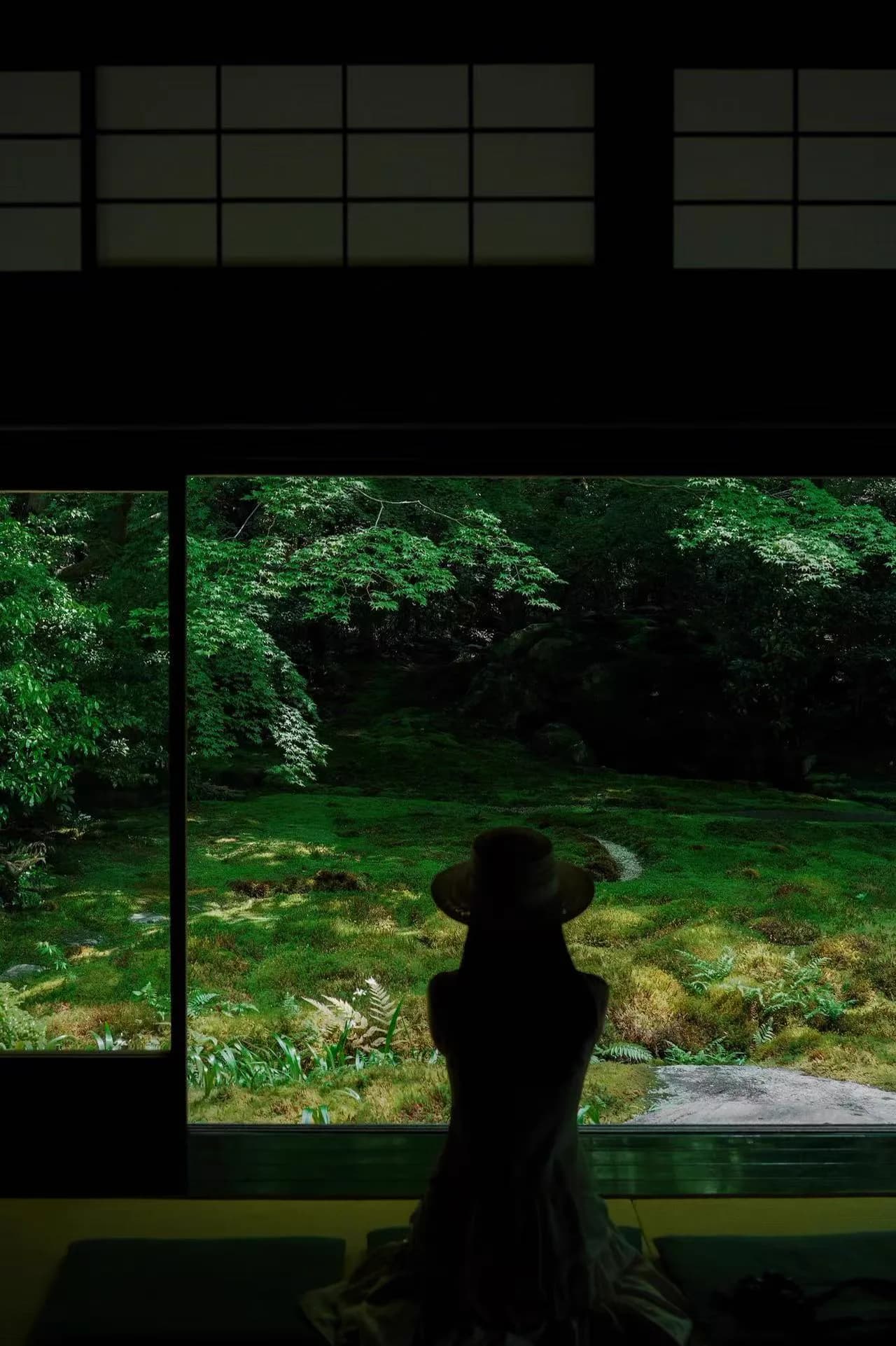
Sanzen-in → Ruriko-in → Kifune
★★★★★
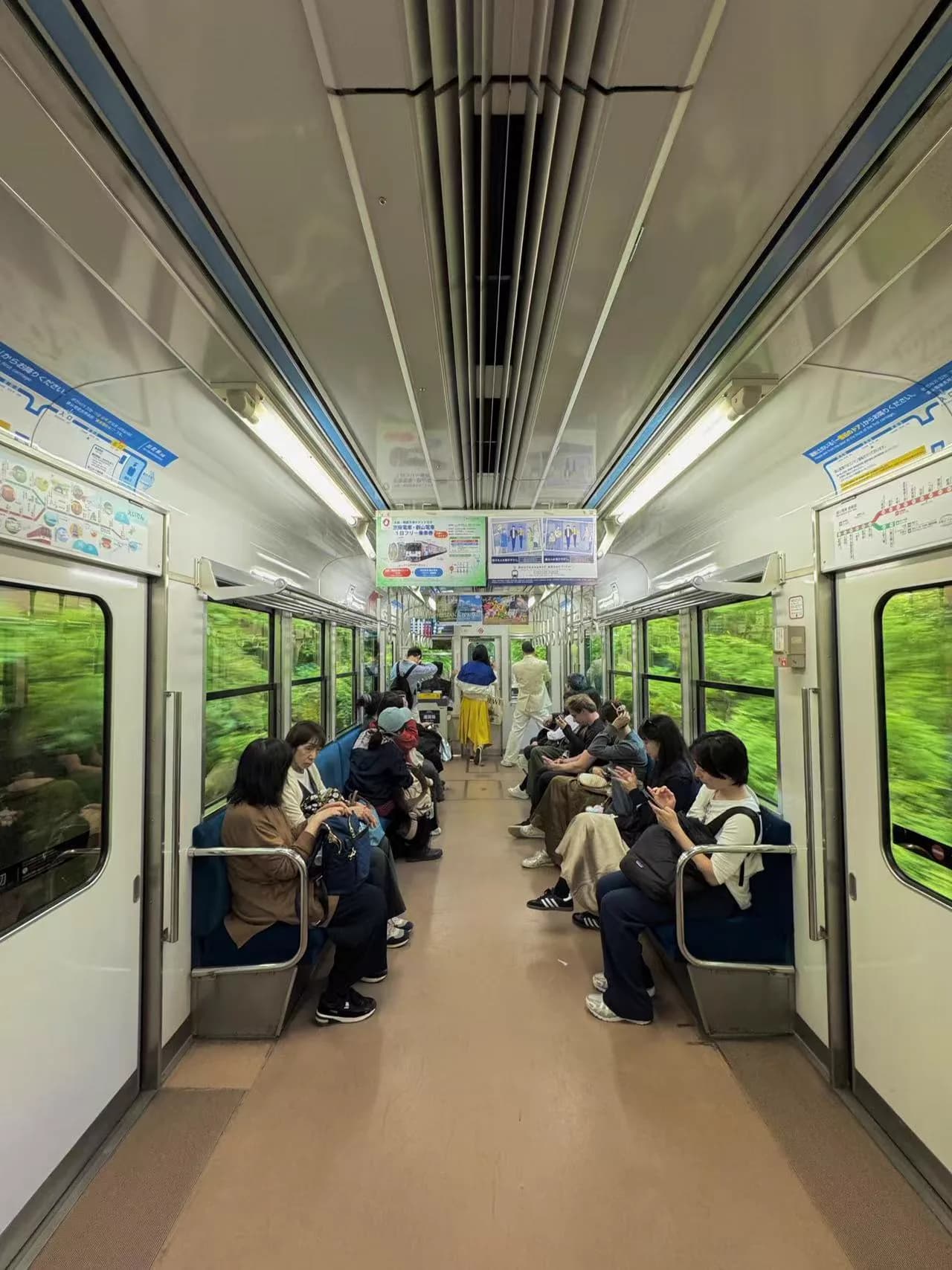
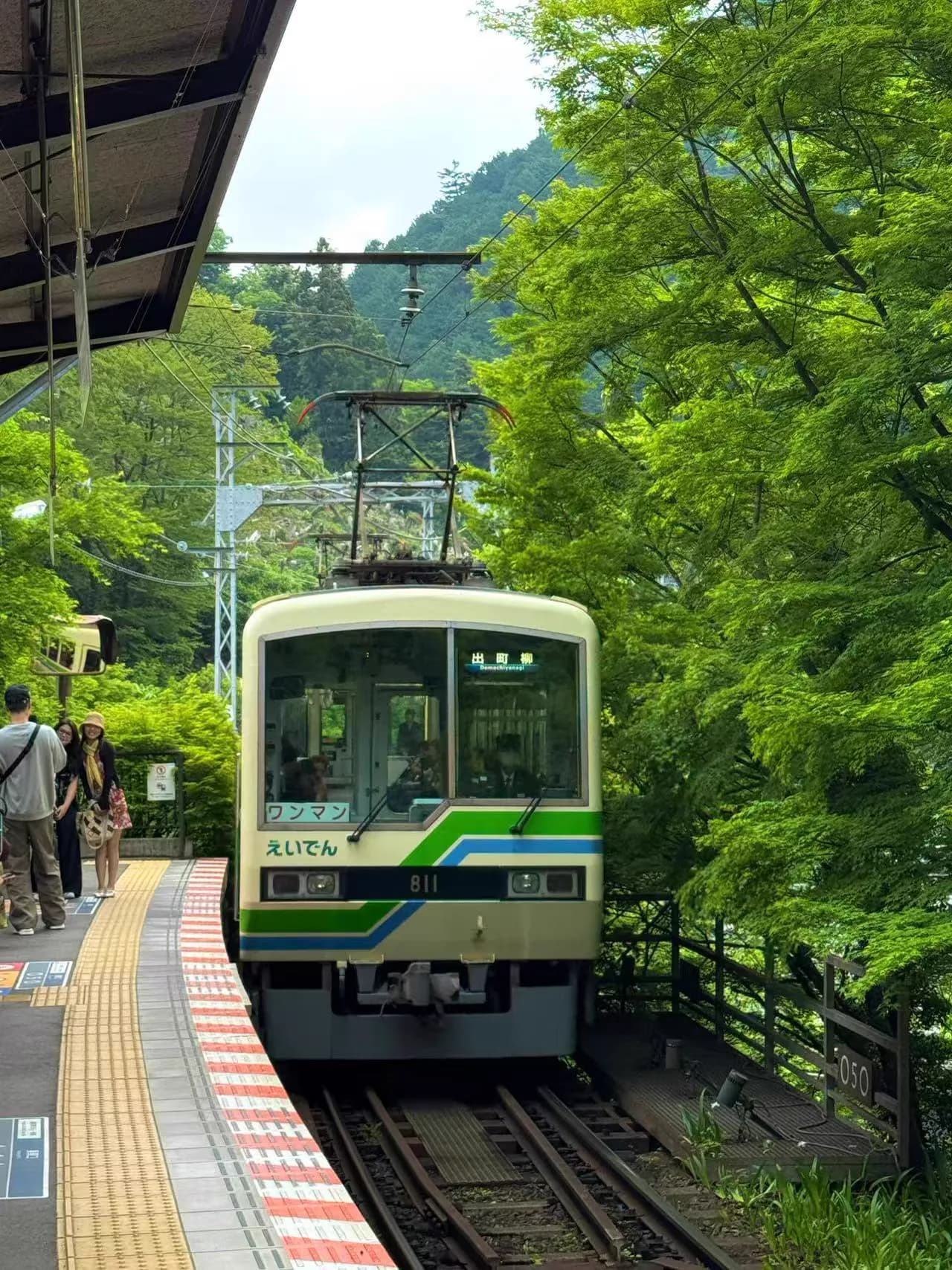
A 9–11 hour mountain-and-temple day from Kyoto Station. Begin with Sanzen-in's moss gardens in Ohara, add Ruriko-in only when its seasonal opening is confirmed, then ride the Eizan Railway through the northern forest to Kifune Shrine. The route trades central-city convenience for quiet woods, water, stone steps and a slower rhythm.
Route
Kyoto Station 08:00 → Kyoto Bus 17 to Ohara → Sanzen-in → Kyoto Bus 17 to Yase Station-mae → Ruriko-in → walk to Yase-Hieizanguchi → Eizan Railway via Ichihara → Kifuneguchi → bus 33 → Kifune Shrine
Look closer
Before you go
Ruriko-in is not open year-round and may require a reservation. If it is closed or the ¥2,000 admission does not fit your plan, skip it and keep the time for Sanzen-in and Kifune. Bus 33 may finish early in the evening; leave Kifune before the last service or be prepared to walk about 1.9 km back to Kifuneguchi.
02
Gardens & Modern Architecture
★★★★★
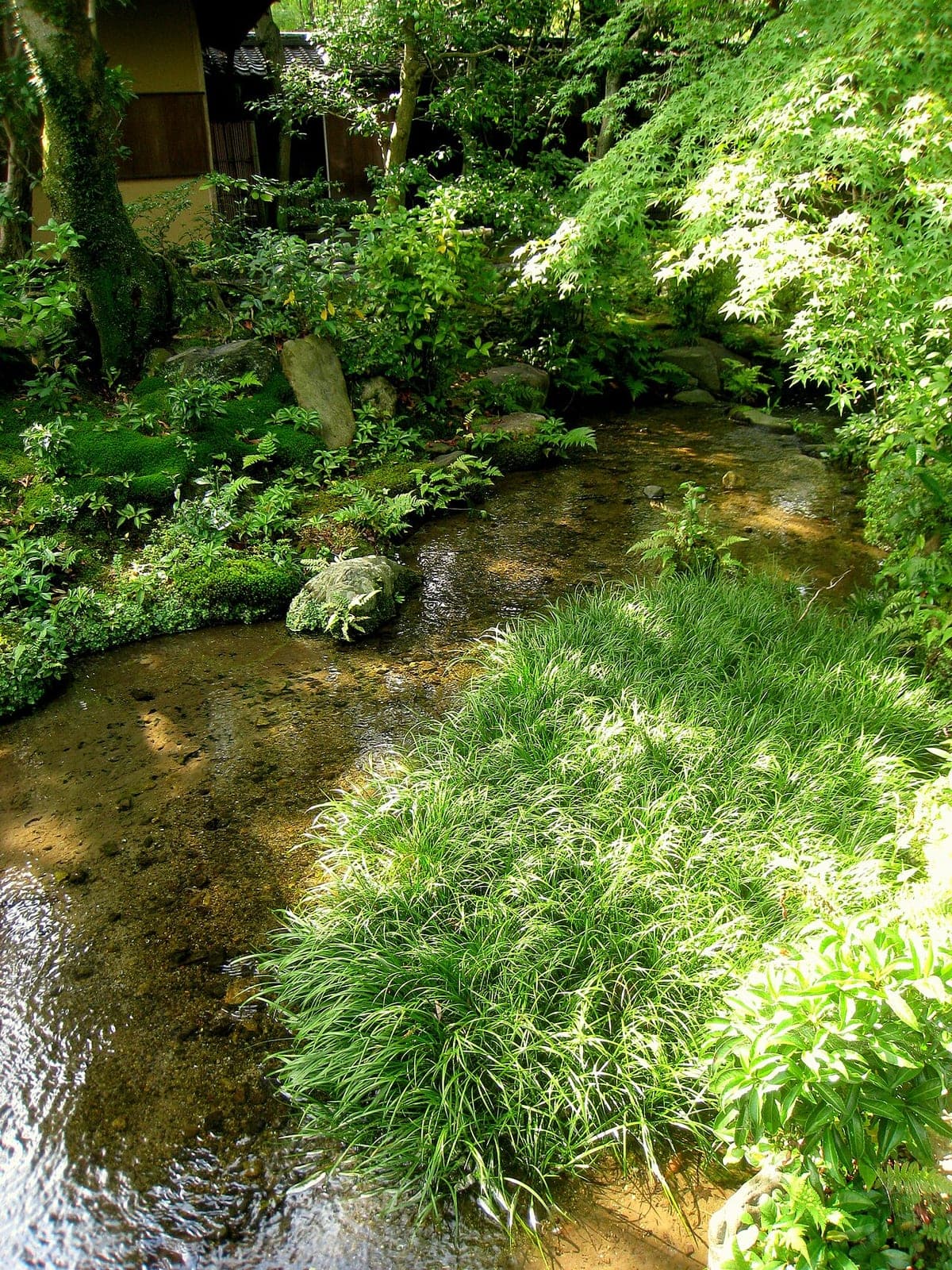
Move beyond temple façades and study how water, borrowed scenery, paths and buildings control the view. Murin-an is the clearest introduction to modern Kyoto garden design.
Route
Keage Incline → Nanzen-ji Aqueduct → Murin-an → KYOCERA Museum of Art
Look closer
Katsura and Shugakuin imperial villas belong to the advanced version of this theme and follow Imperial Household Agency visit rules.
03
Nishijin Craft Route
★★★★★
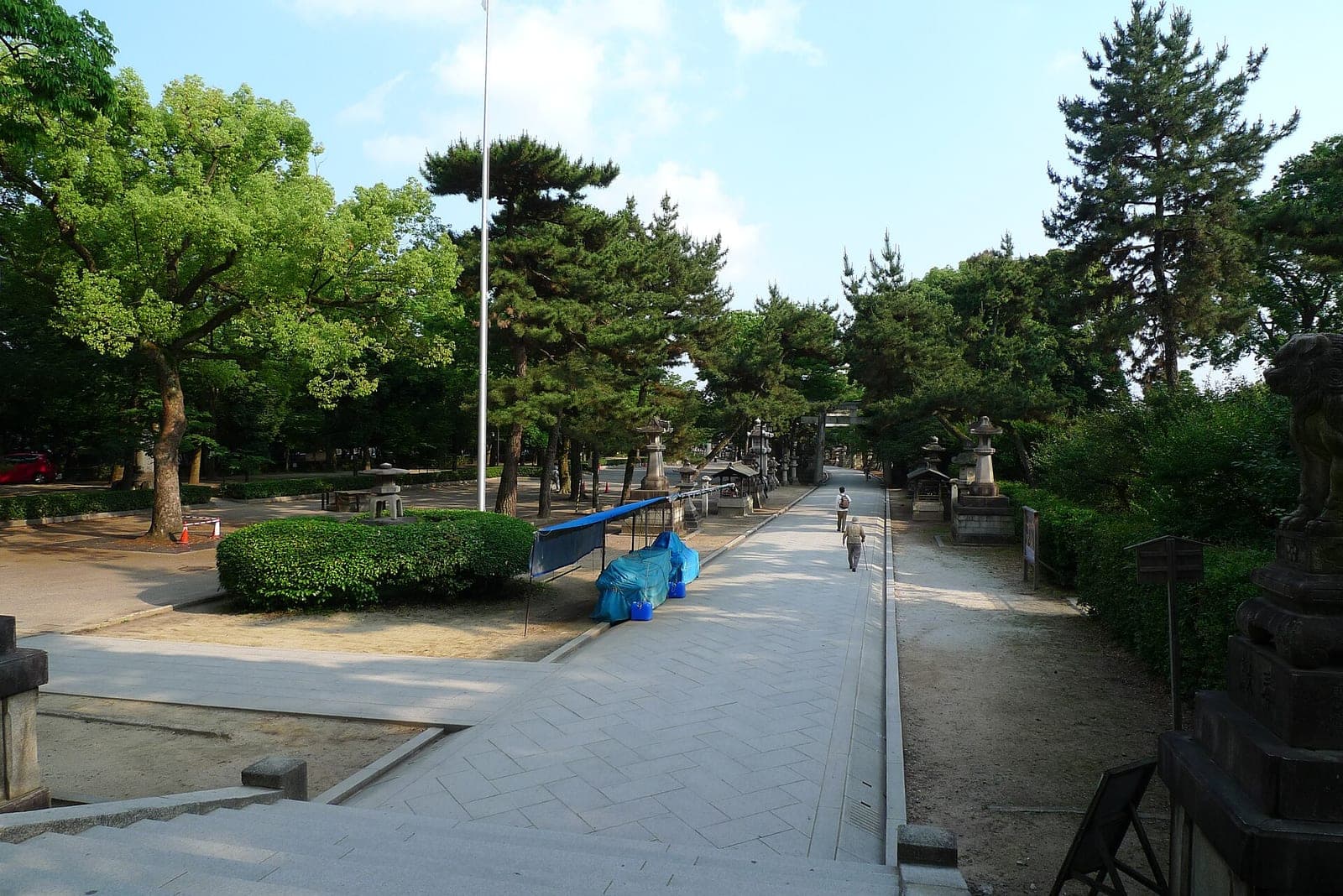
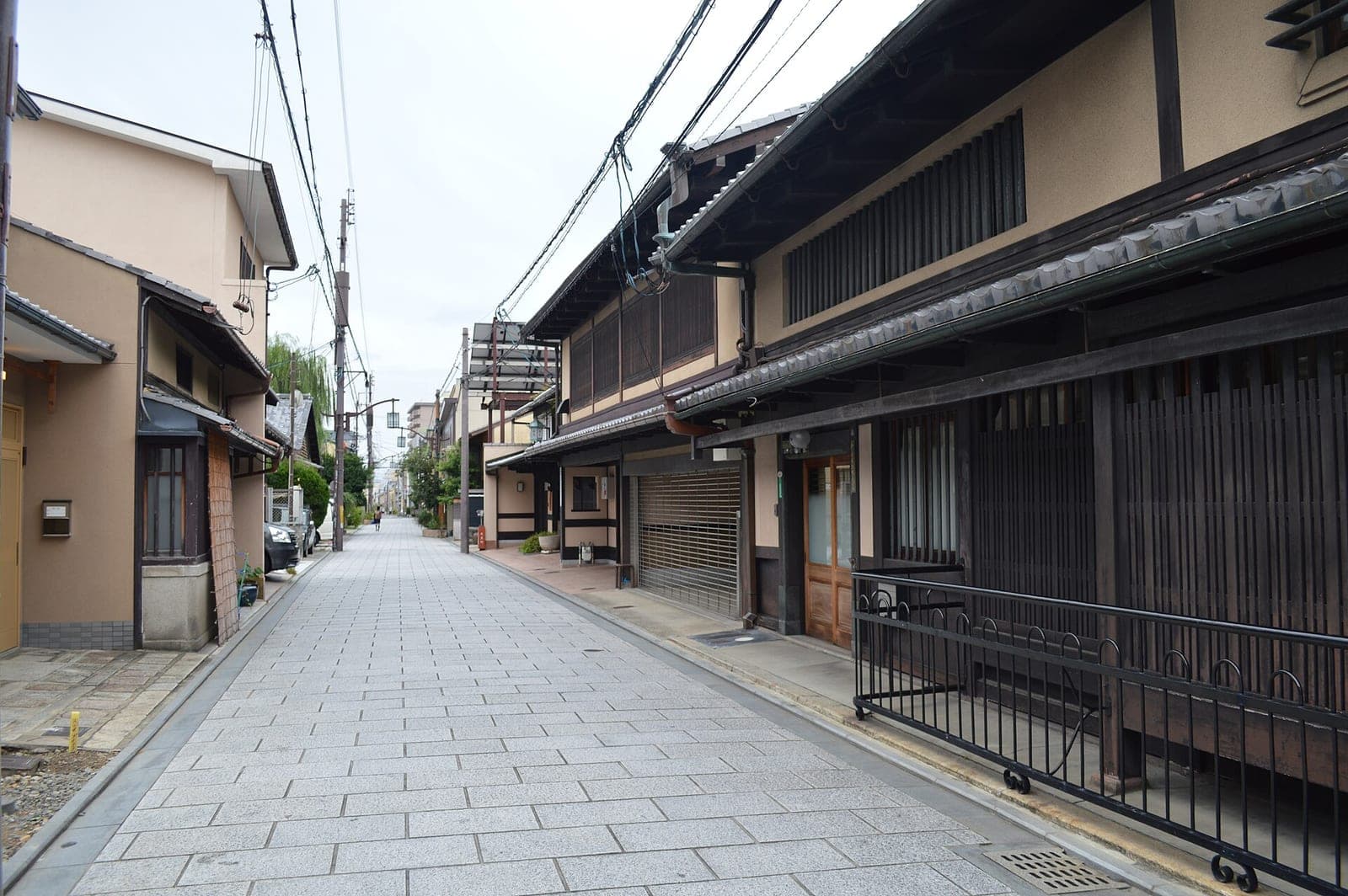
Nishijin shows how textile work, machiya houses and daily life still share the same streets. Look for small workshops rather than a staged performance.
Route
Kitano Tenmangu → Kamishichiken → Nishijin workshop → Machiya lunch → Daitoku-ji
Look closer
04
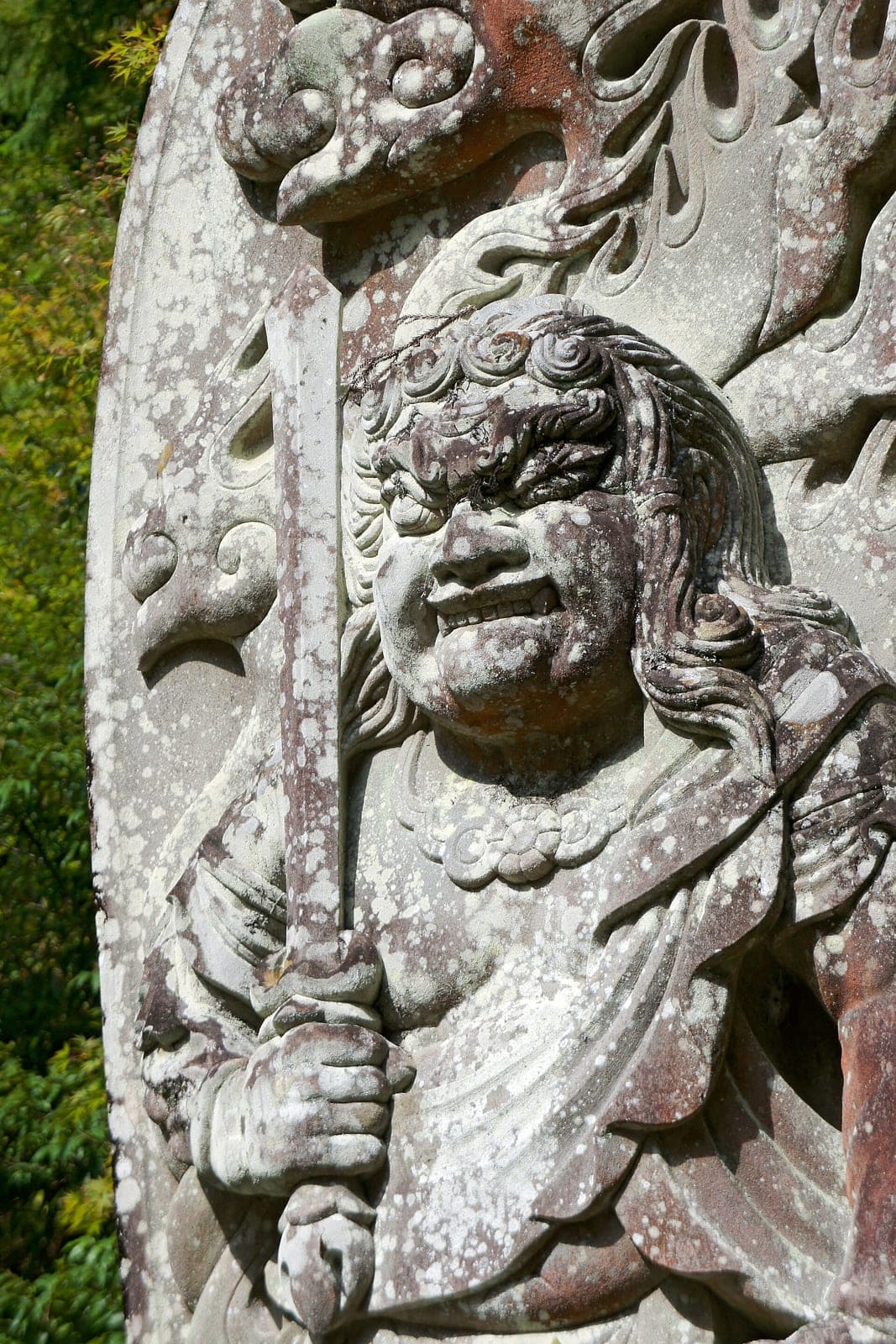
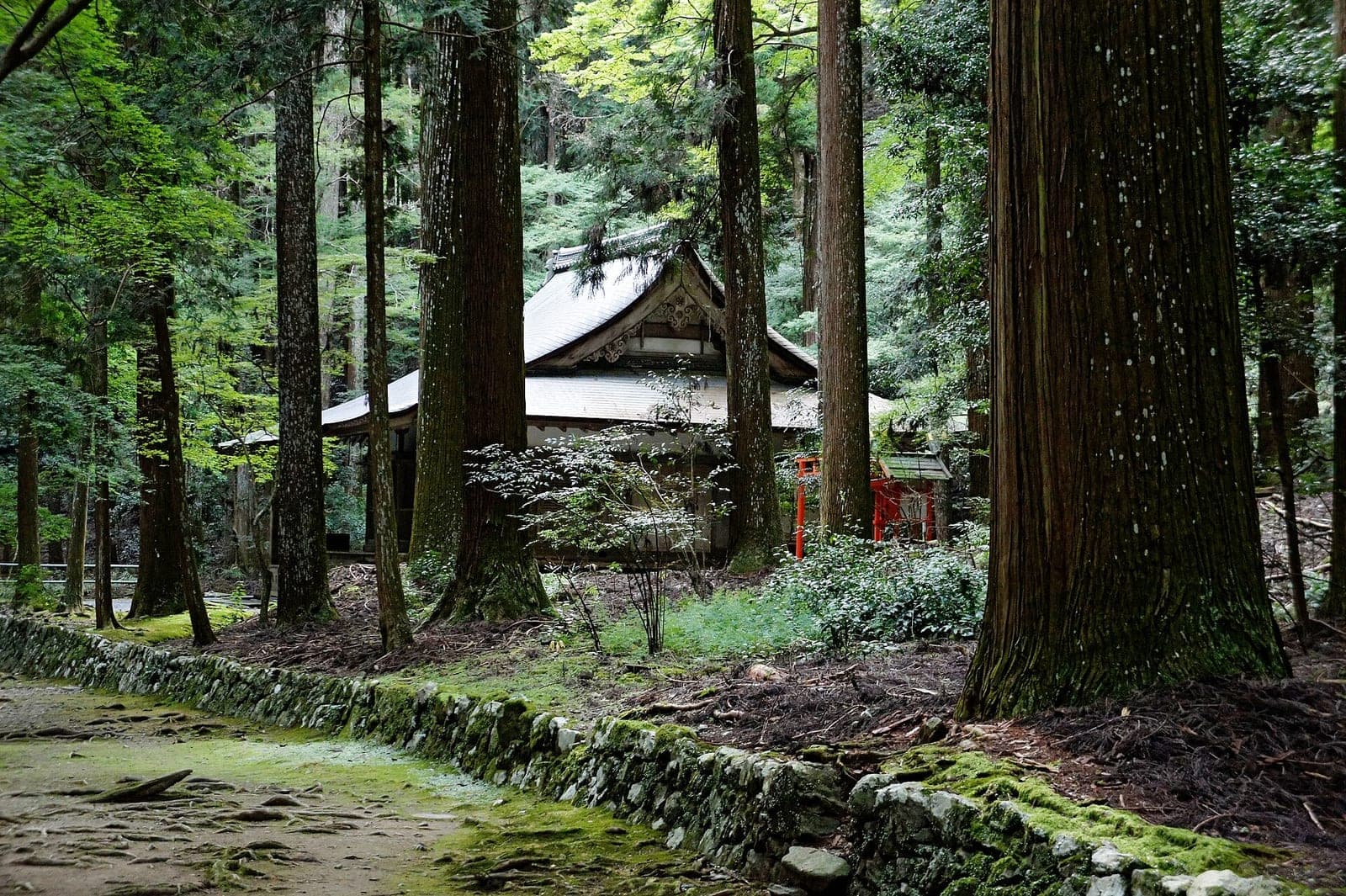
Kyoto Mountain Temples
★★★★★
Takao's three historic temple areas combine cedar forest, river valleys and religious history. The distance and stone steps are part of the experience.
Route
Jingo-ji → Saimyo-ji → Kozan-ji → Kiyotaki River
Look closer
05
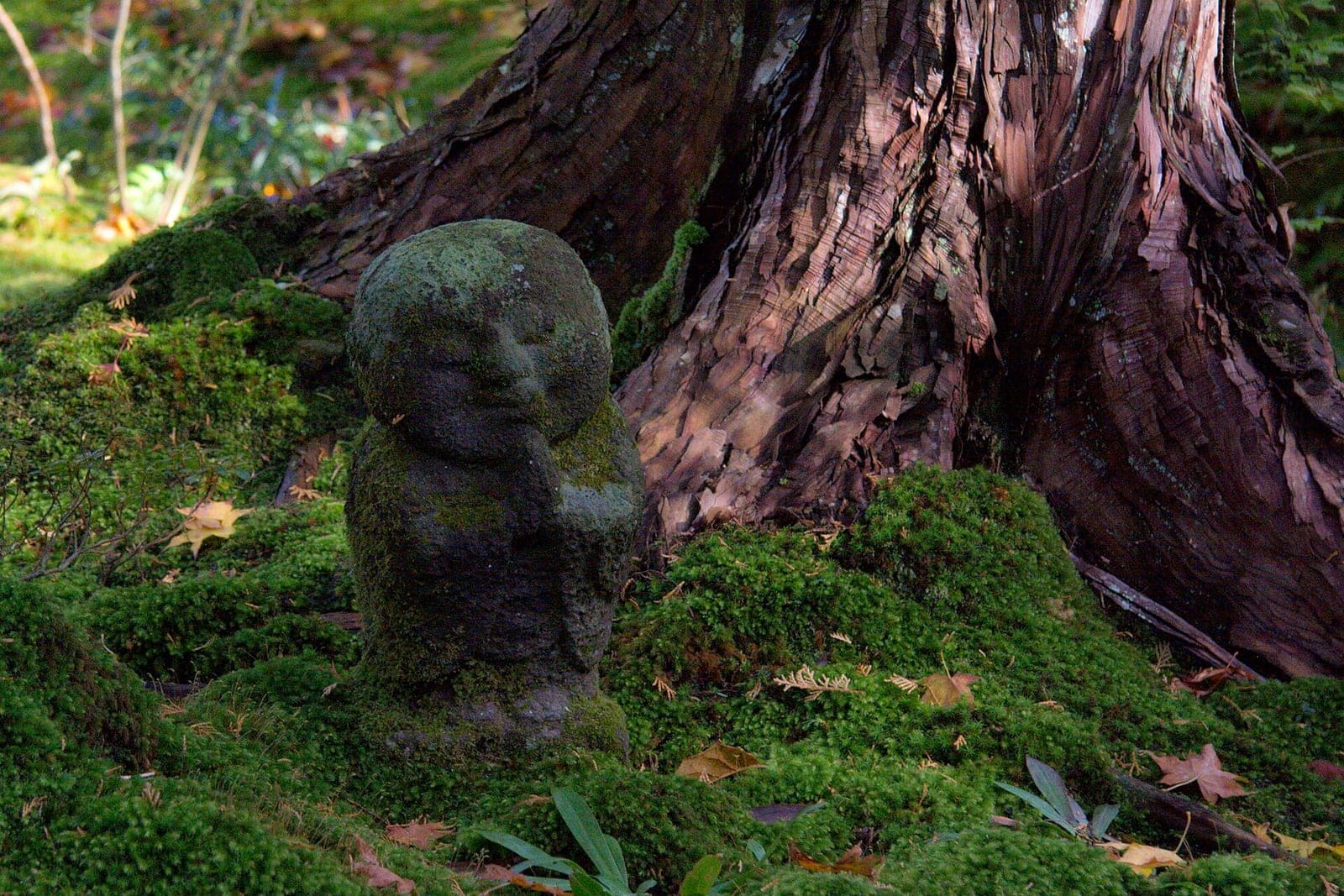
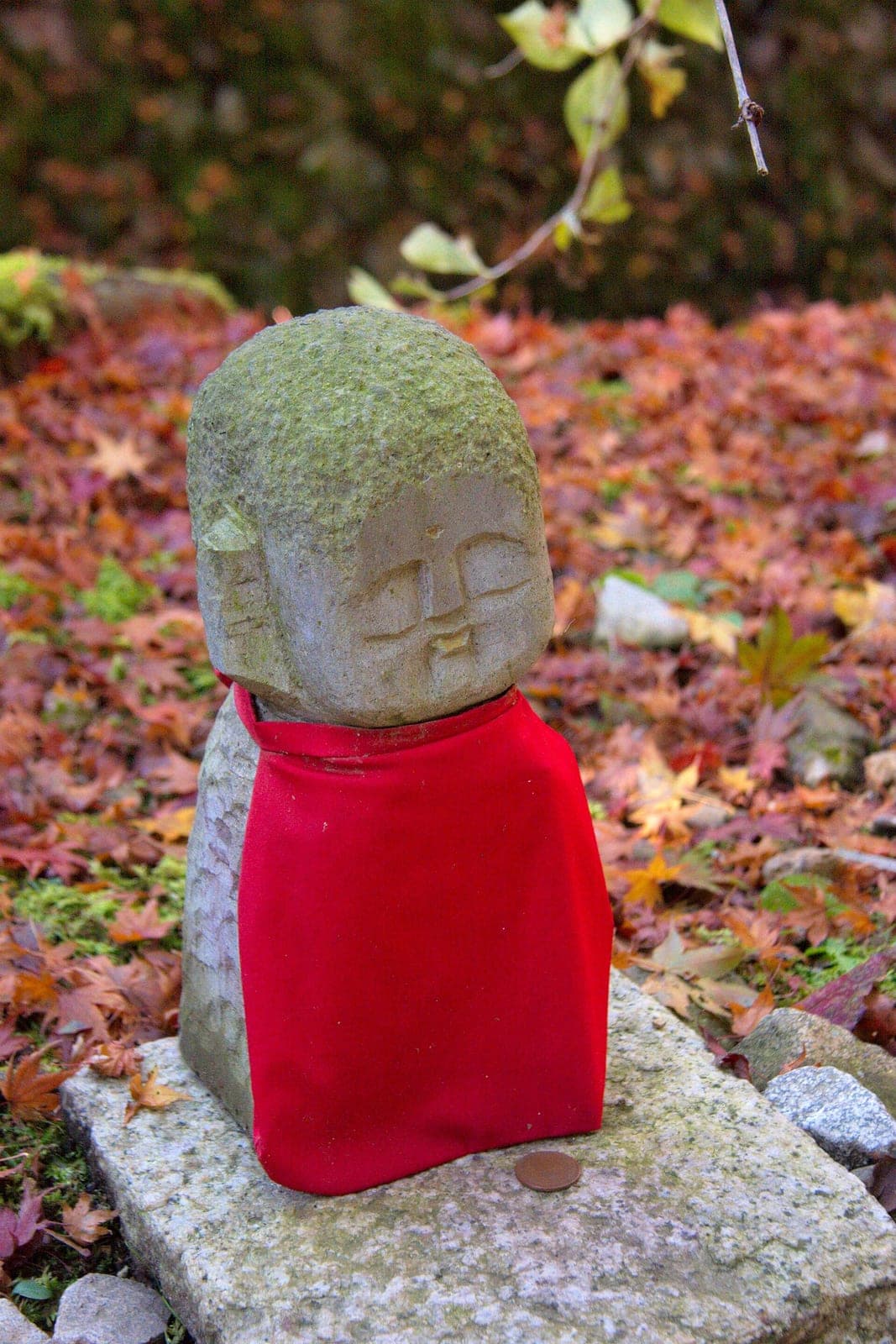
Ohara Rural Route
★★★★★
Do not stop at Sanzen-in. Market stalls, moss gardens, waterfalls, village food and hot springs reveal a rural rhythm distinct from central Kyoto.
Route
Morning market → Sanzen-in → Hosen-in → Jakko-in → Old house café → Onsen
Look closer
06
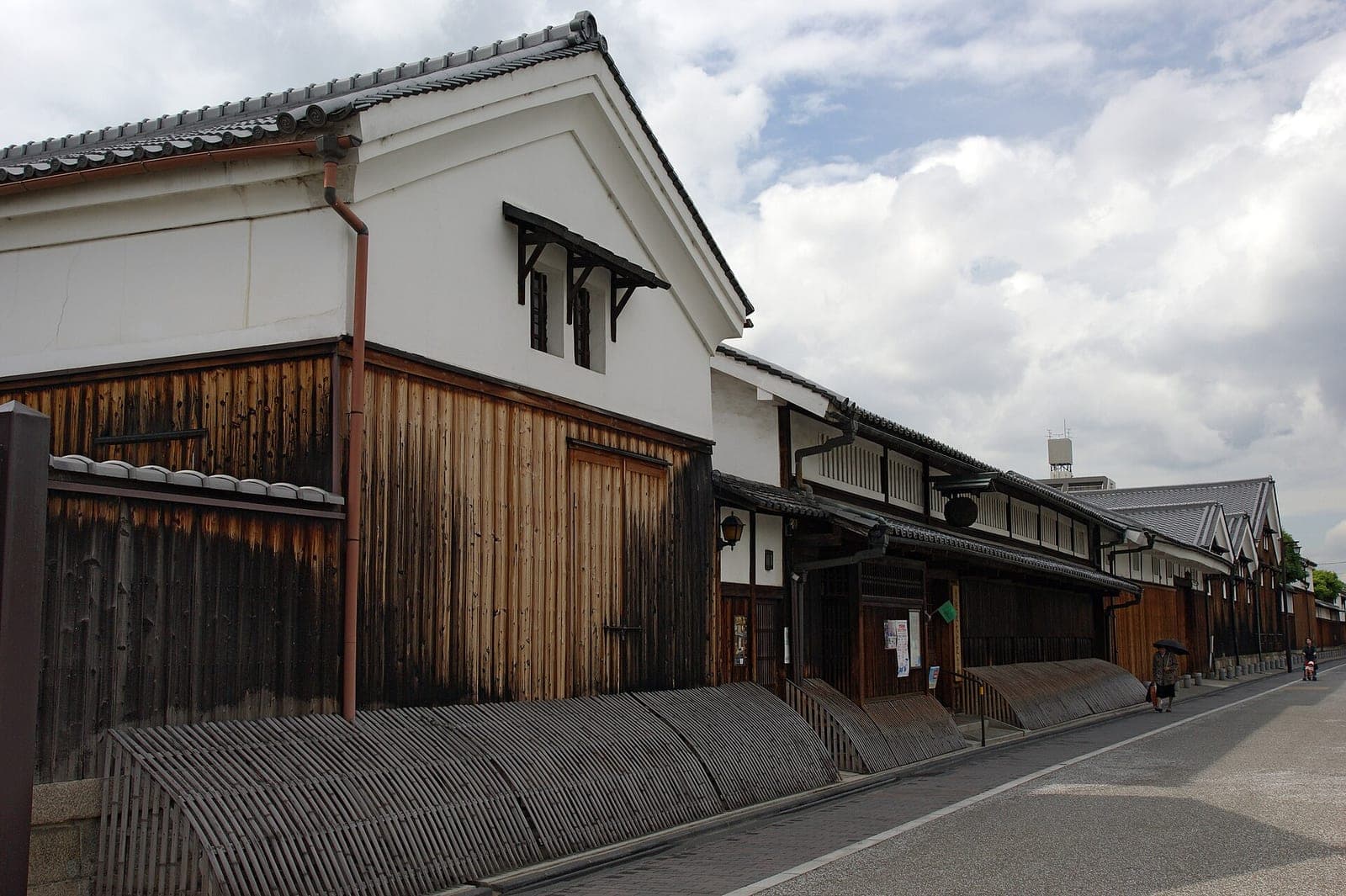
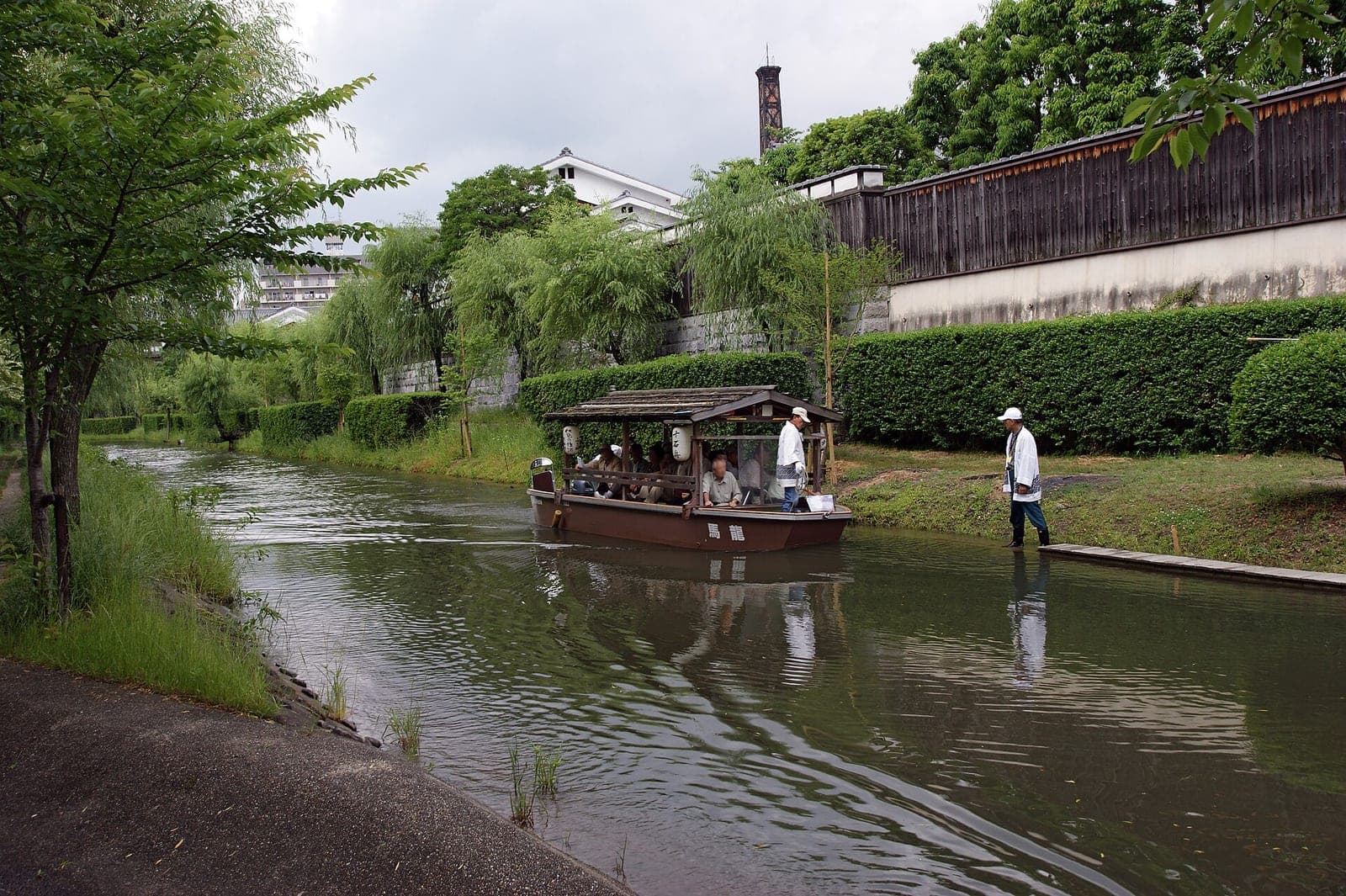
Fushimi Waterways & Sake
★★★★★
Fushimi's canals, breweries and merchant streets tell a different story from Fushimi Inari: water transport, sake making and Bakumatsu history.
Route
Otesuji Arcade → Sake breweries → Jikkokubune → Teradaya → Chushojima
Look closer
07
Rakusai Hidden Bamboo
★★★★★
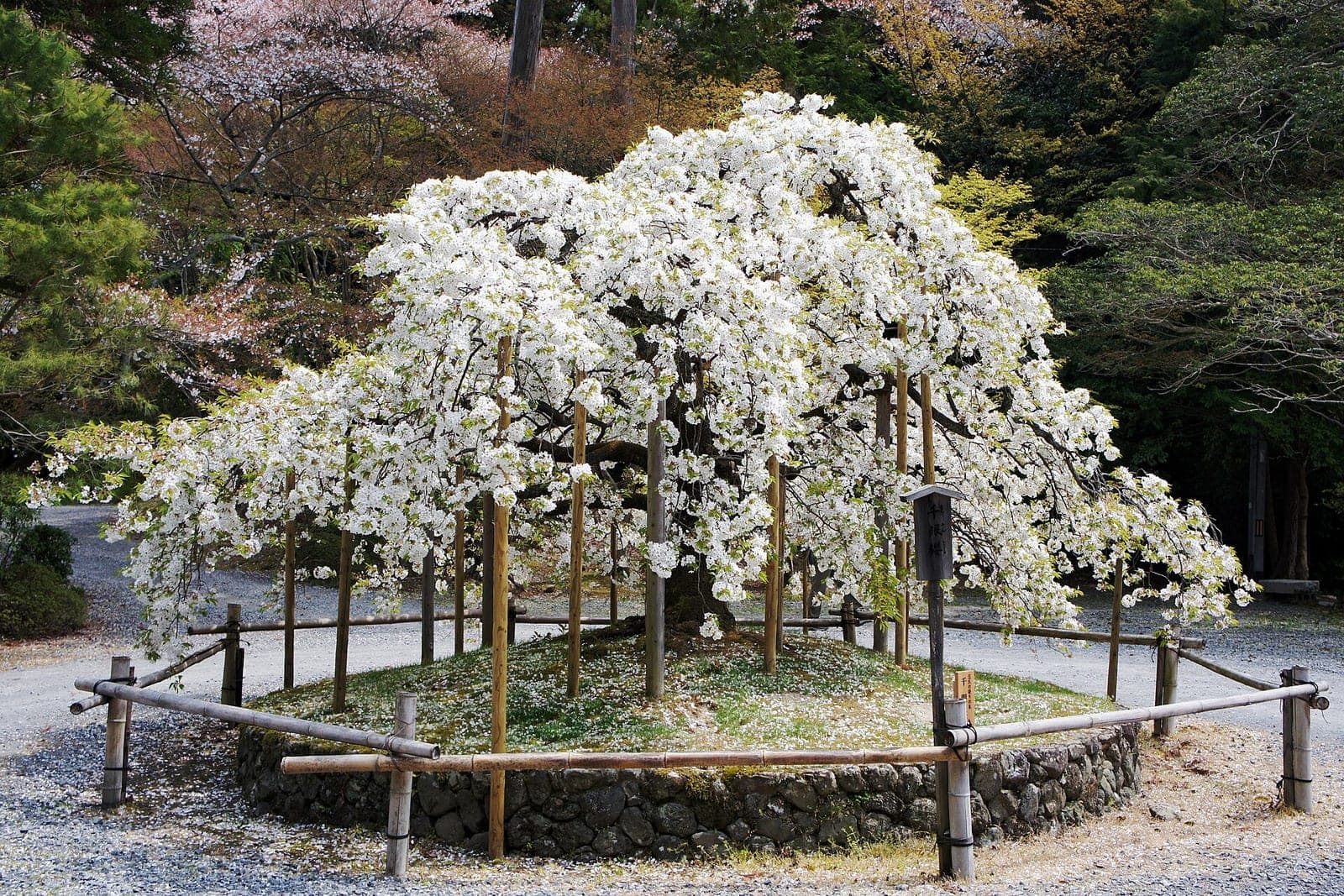
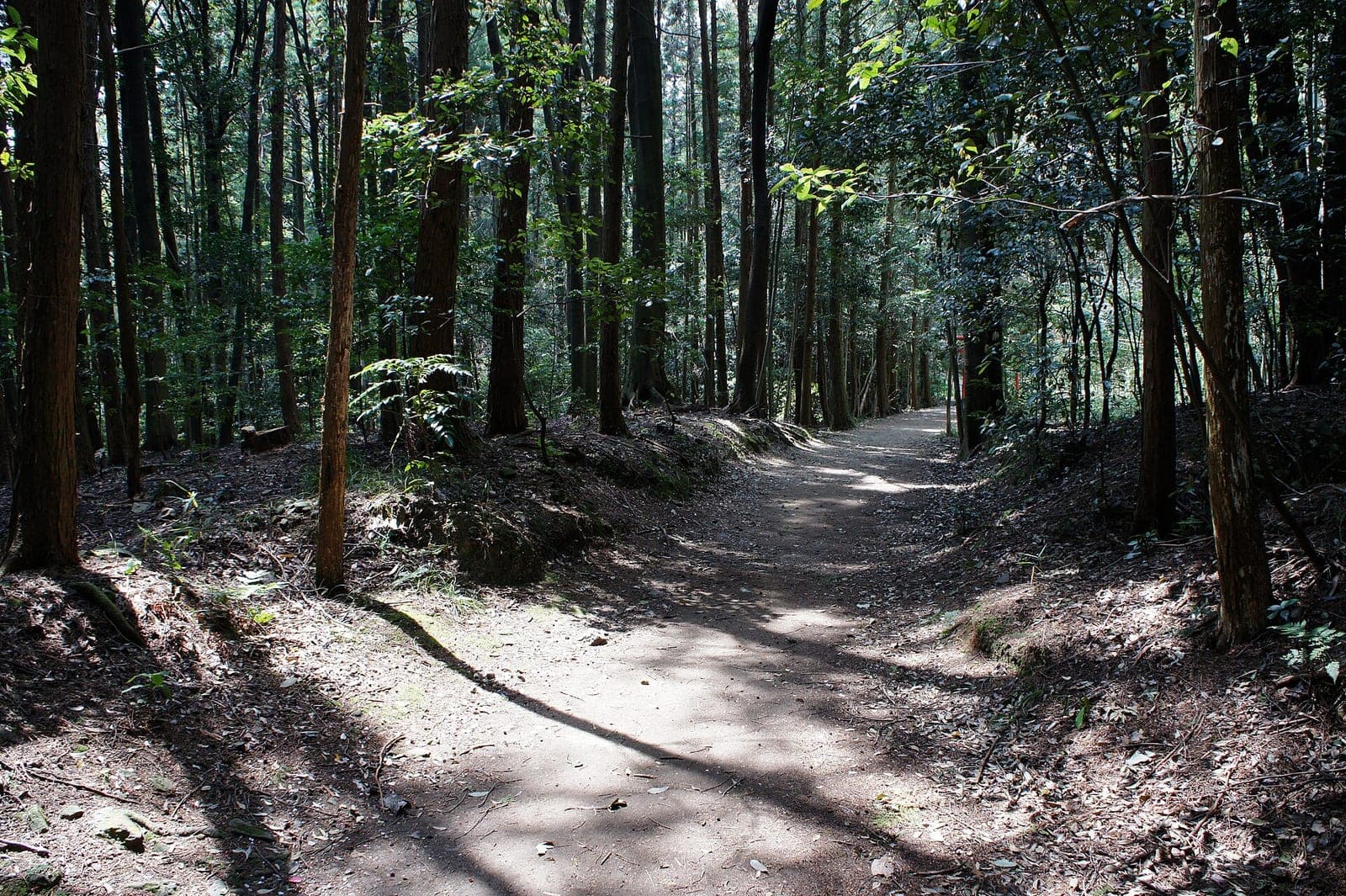
Rakusai replaces the Arashiyama rush with dispersed temples, bamboo culture and western Kyoto landscapes. Distances are longer, but crowds are much lighter.
Route
Oharano Shrine → Shoji-ji → Rakusai Bamboo Park → Yoshimine-dera
Look closer
The route is geographically spread out. A private car or careful bus planning is more practical than walking between every stop.
08
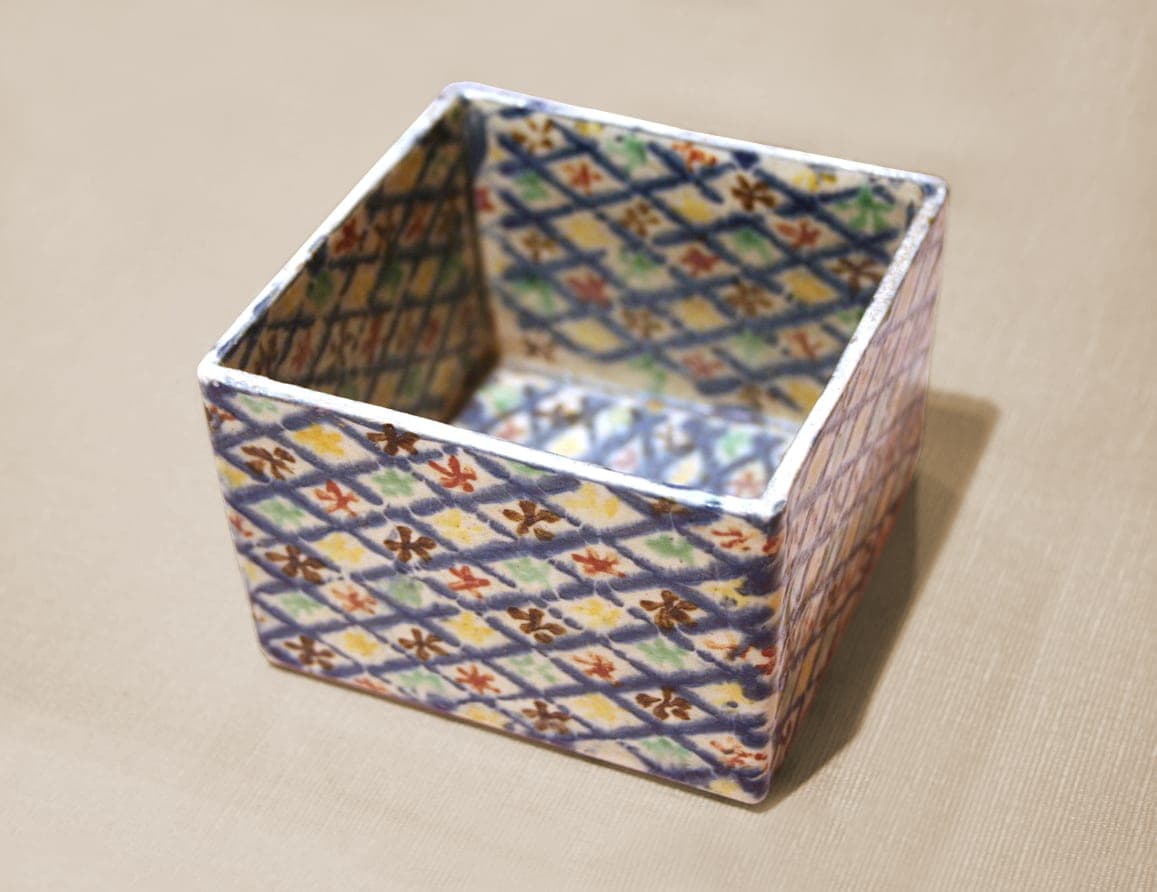
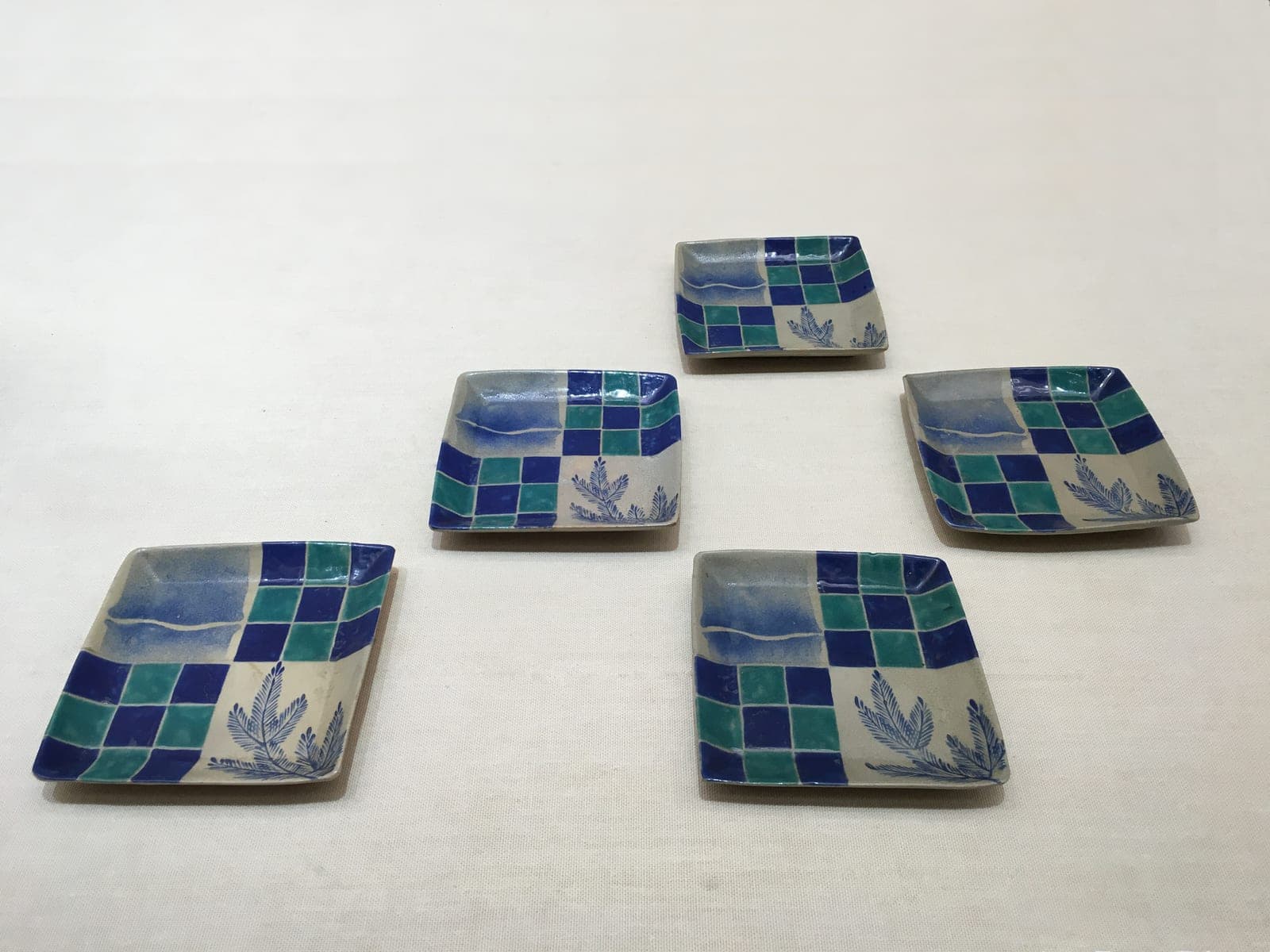
Kyoto Traditional Crafts
★★★★★
Begin with the city's 74 traditional industries, then reserve one small workshop. Seeing tools, materials and production makes a purchase more meaningful.
Route
Museum of Crafts and Design → Artisan workshop → Kyoto lunch → Specialist craft shop
Look closer
09
Yamashina History Walk
★★★★★
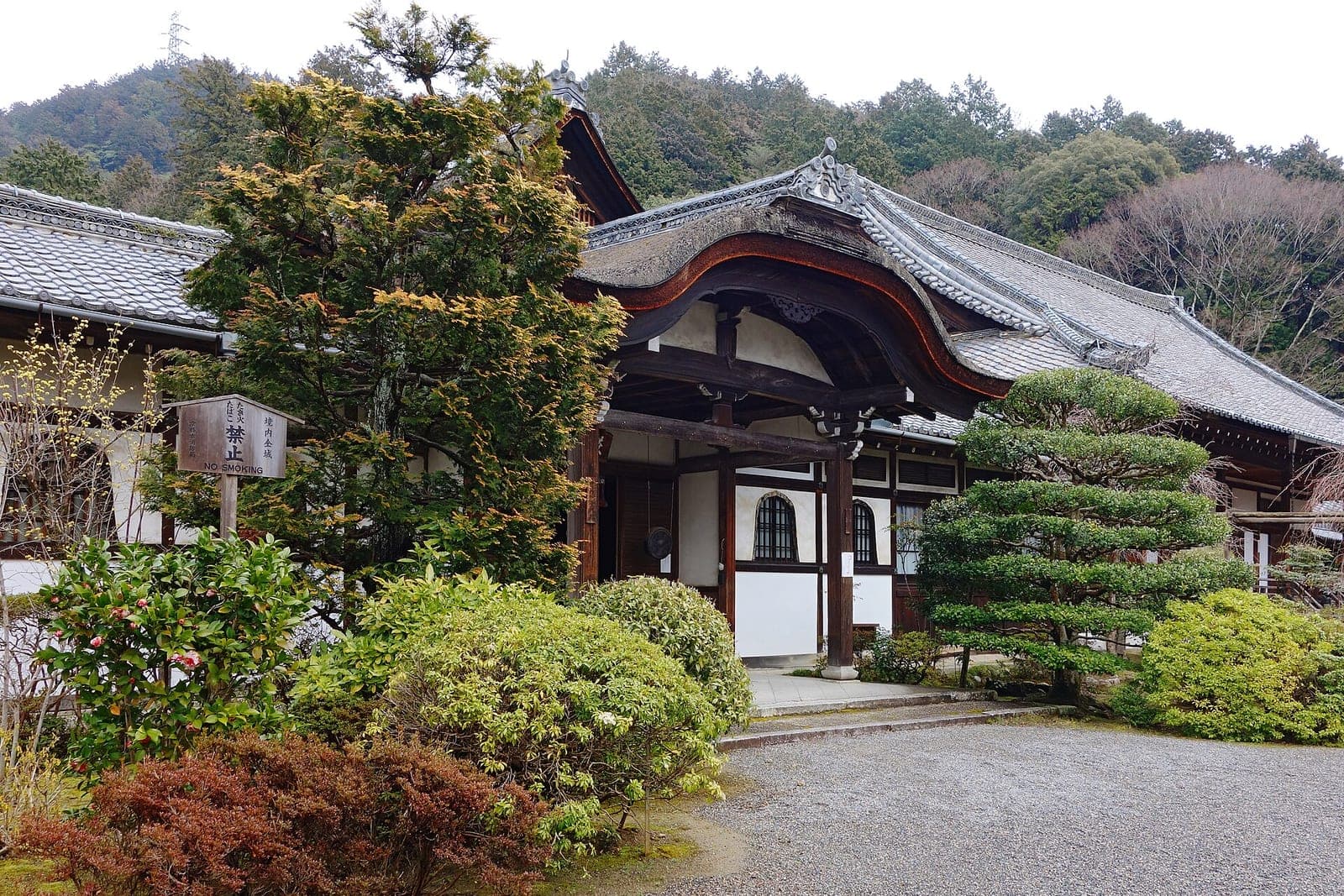
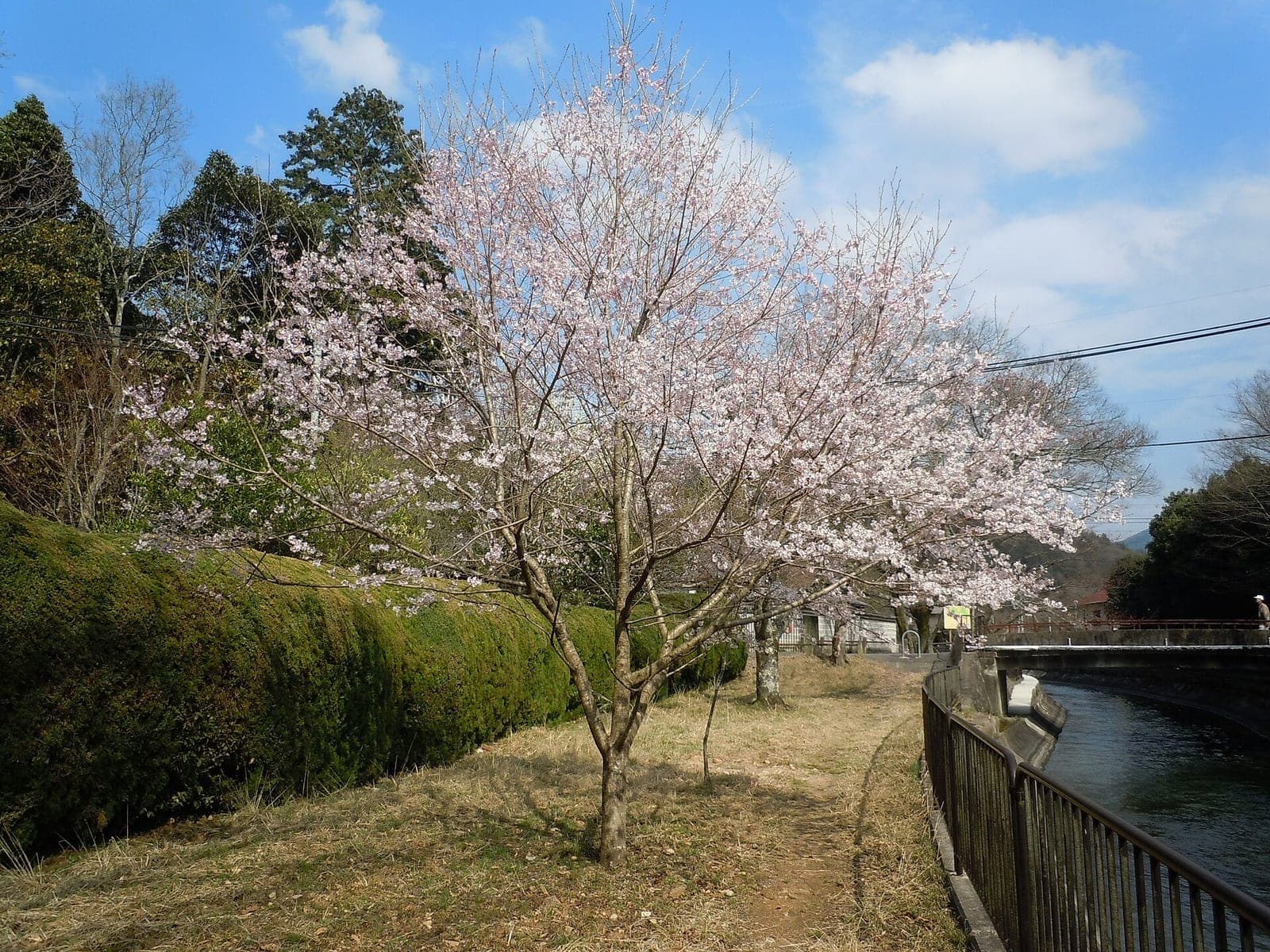
A short train ride from Kyoto Station leads to a quiet foothill district of temples, canal paths and residential streets.
Route
Bishamon-do → Yamashina Canal → Ansho-ji → Zuishin-in
Look closer
10
Keihoku Farm Stay
★★★★★
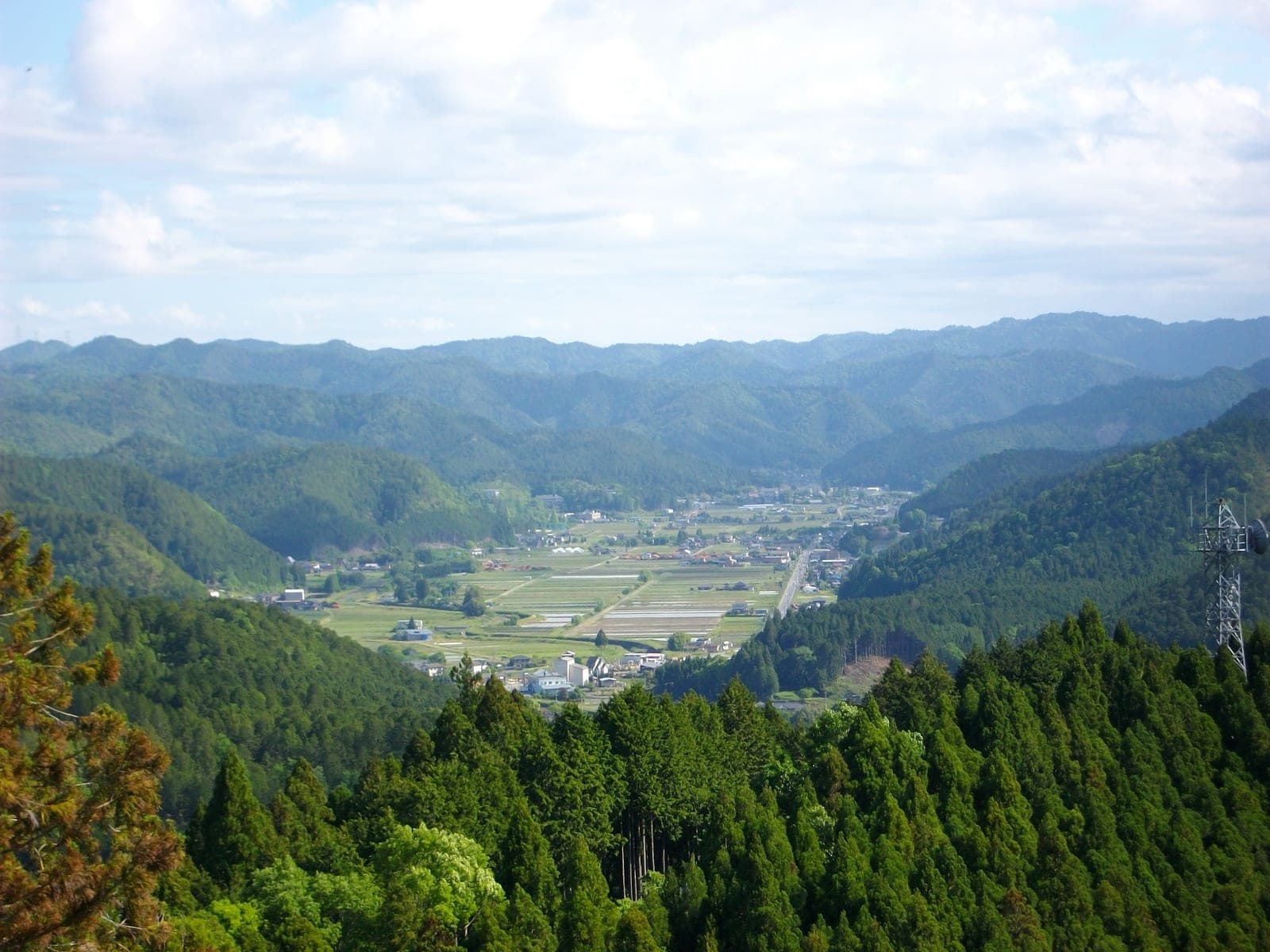
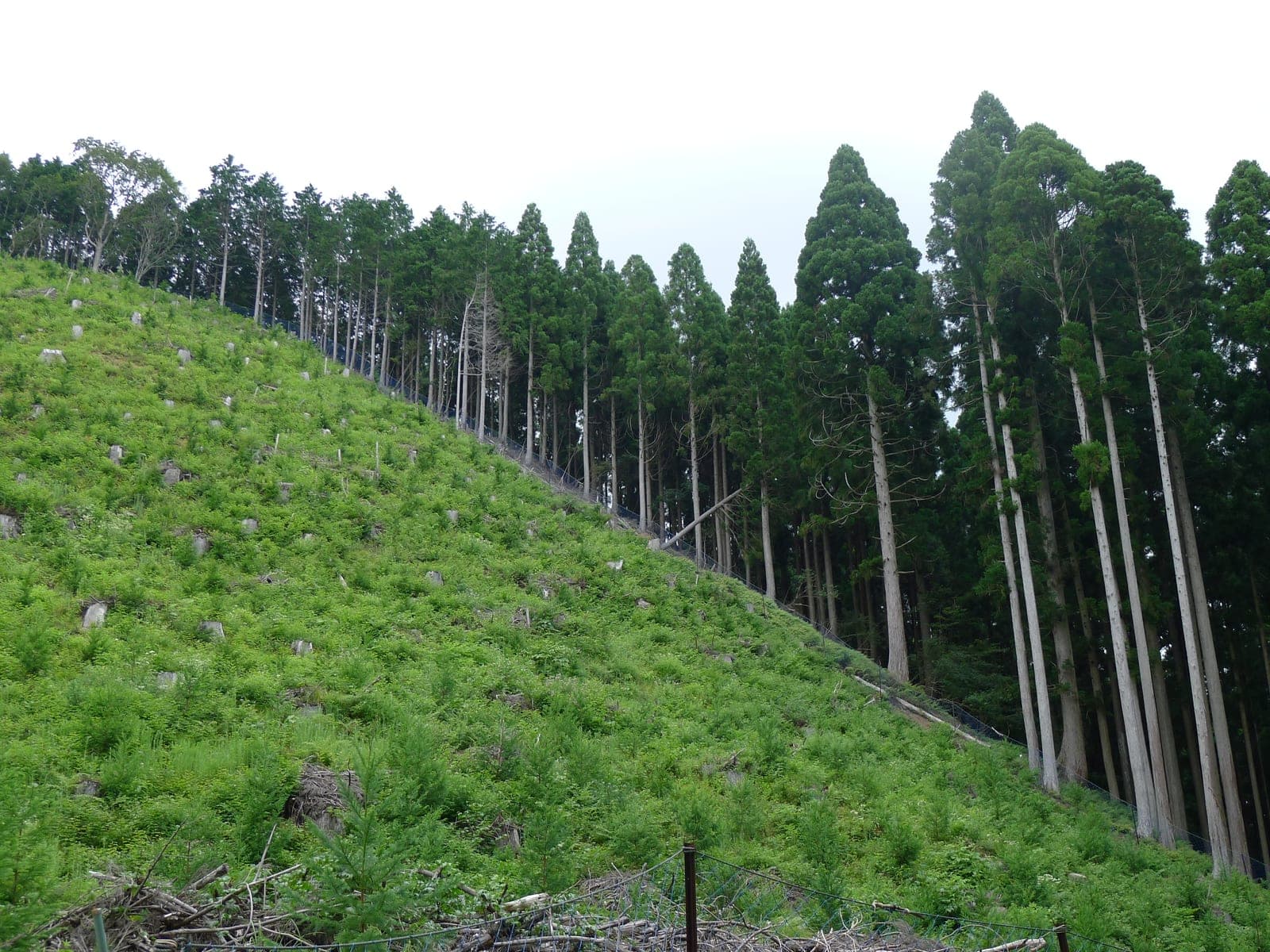
Keihoku is a working mountain district of forestry, farms, old houses and shrines. It is not a compact attraction, but a place to understand what supported the old capital.
Route
Kitayama cedar → Farm lunch → Old house → Yamaguni Shrine → Farm stay
Look closer
Public transport from central Kyoto can take around 90 minutes and local stops are dispersed. A private car and advance reservations are strongly recommended.
11
Seasonal Openings Tracker
★★★★★
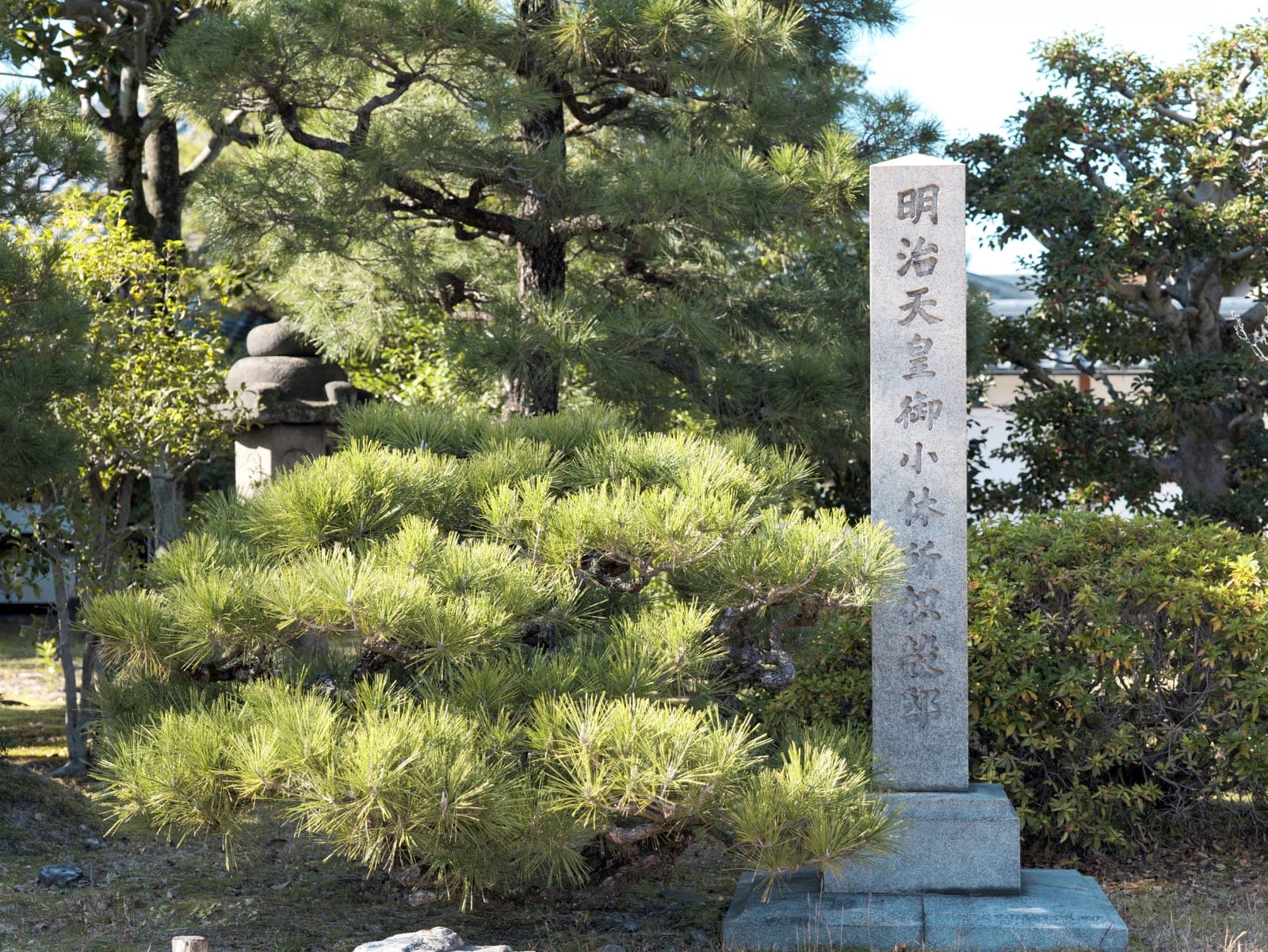
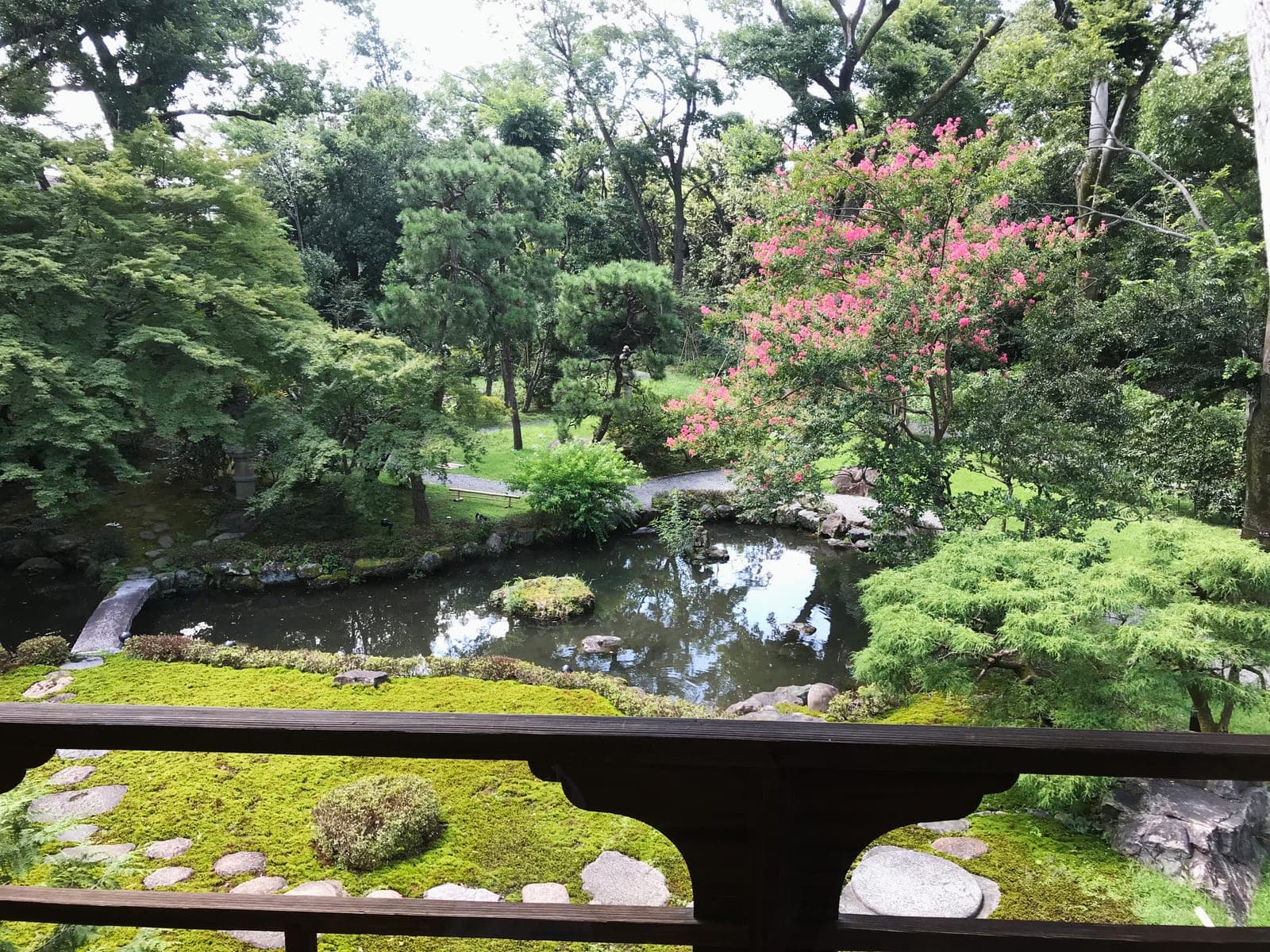
Some of Kyoto's most rewarding rooms, gardens and cultural properties open only for limited periods. Treat the official calendar as live content, not a permanent list.
Route
Two current openings → One museum exhibition → One seasonal restaurant
Look closer
The 2026 summer program runs on its own published schedule, but venues, closures and entry rules vary. Always use the current official page.
SEASONAL COMPASS
Kyoto changes with access dates, weather, rituals and materials. Choose the season before the route.
01
02
03
04
Special openings and exhibitions change every year. Always confirm dates, closures, reservations and photography rules on the official site.
DEEP KYOTO 10
A concise list for travelers who value access, context and time over collecting landmarks.