01 / 这个地方的历史
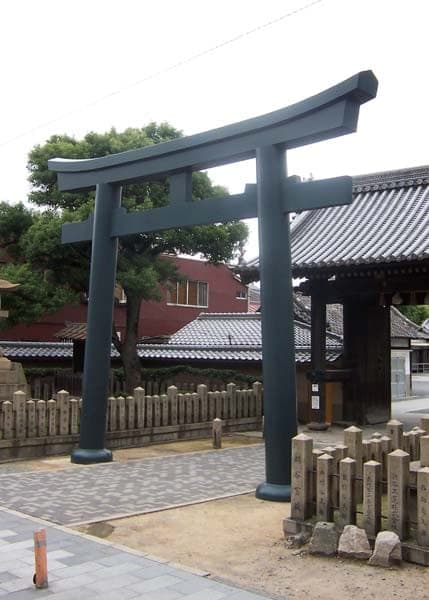
把水当作持续存在的神灵
贵船与高龗神有关,这位水神与降雨和生命流动相连。这里的环境让这种信仰非常容易被理解:狭窄山谷、清流、石阶和变化的天气都紧邻参拜空间。季节灯笼和河畔饮食属于后来的体验层,但核心始终是山中水源与人的生活之间的关系。
02 / 建议参观顺序
沿水与参拜空间理解神社
03 / 景点内部看什么
景点内部看什么
01 Ishidan
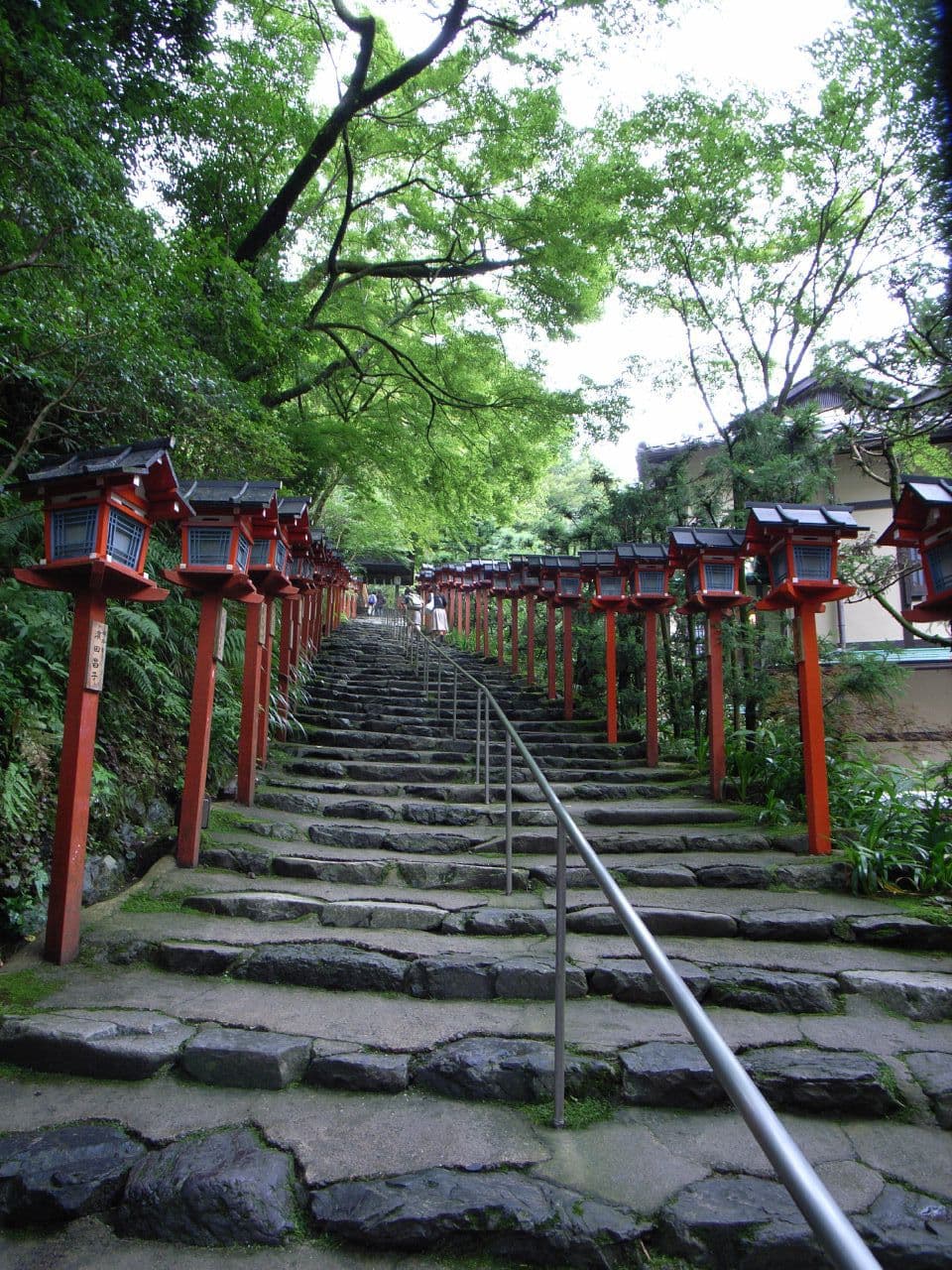
灯笼石阶
The iconic approach rising between red lanterns.
这个地方的历史
The stairway turns the ascent into a ritual transition from the valley road to the shrine precinct.
现场留意
- 01
Notice the rhythm of stone and lantern.
- 02
Look at the changing shade during the day.
- 03
Keep the steps clear for worshippers.
02 Hongu
本宫
The central worship space dedicated to water-related belief.
这个地方的历史
The shrine's identity is tied to prayers for rain, agriculture and the health of water systems.
现场留意
- 01
Observe the restrained scale.
- 02
Watch how people approach the offering box.
- 03
Keep photography secondary to worship.
03 Mizu-ura Mikuji
水占卜
A form of divination that reveals its message through water.
这个地方的历史
The practice expresses the shrine's central relationship with water in a simple, contemporary ritual form.
现场留意
- 01
Follow the posted instructions.
- 02
Let the paper reveal itself in the water.
- 03
Return the paper respectfully.
04 Go-shinsui
御神水
The sacred spring associated with the shrine's water tradition.
这个地方的历史
The spring makes the shrine's central belief tangible: water is both a natural resource and a sacred presence.
现场留意
- 01
Follow the current access rules.
- 02
Do not touch restricted water areas.
- 03
Notice how the spring sits within the precinct.
05 Kibune-gawa
贵船川谷
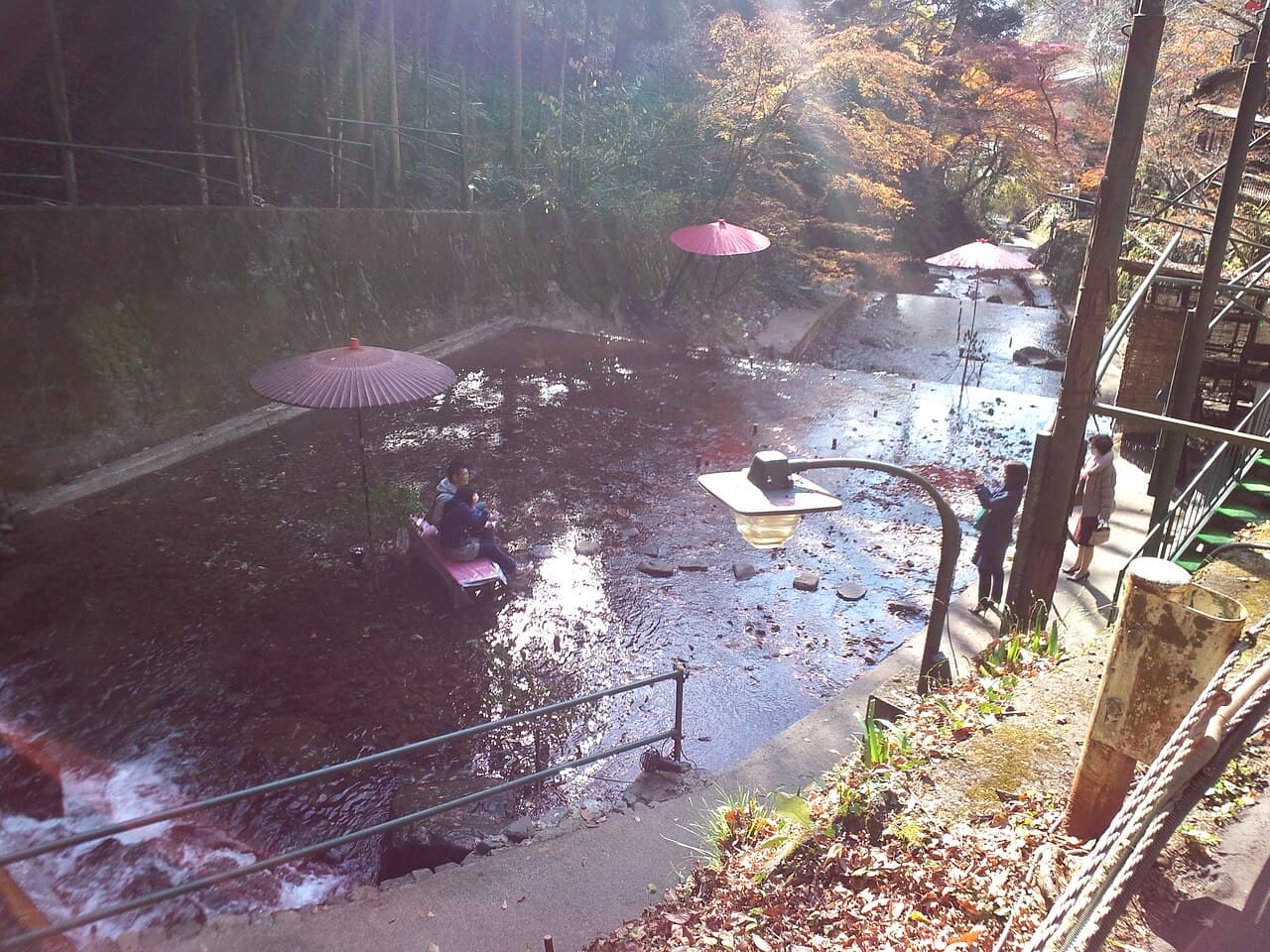
The watercourse that gives the shrine its atmosphere and meaning.
这个地方的历史
The river links mountain ecology, worship and local seasonal life in one visible corridor.
现场留意
- 01
Notice the temperature and sound near the water.
- 02
Observe the seasonal river platforms from a respectful distance.
- 03
Do not enter restricted areas.
06 Okumiya
奥宫
A quieter worship area deeper in the valley.
这个地方的历史
The inner site preserves the idea of a sacred source and a more secluded origin point.
现场留意
- 01
Notice the change in forest density.
- 02
Listen for the stream and wind.
- 03
Walk with a smaller presence.
07 Yui no Yashiro
结社
A smaller shrine associated with connections and prayer.
这个地方的历史
Its position between the main and inner shrines adds another layer to the valley's sequence of worship spaces.
现场留意
- 01
Observe the smaller scale.
- 02
Read the posted prayer customs.
- 03
Keep the path open.
08 Ten no Iwakura
天の磐座
A sacred rock associated with mountain and natural worship.
这个地方的历史
The rock represents a form of worship in which the natural feature itself is part of the sacred landscape.
现场留意
- 01
Check whether access is currently permitted.
- 02
Keep a respectful distance.
- 03
Do not climb or touch the rock.
09 Funagata-ishi
船形石
A stone feature connected with the shrine's founding story.
这个地方的历史
The boat form preserves a local mythic layer in which arrival, water and divine presence are tied together.
现场留意
- 01
Look without climbing the boundary.
- 02
Notice the stone's relation to the path.
- 03
Follow local signage.
04 / 官方资料