01 / 这个地方的历史
拥有漫长观看者历史的景观
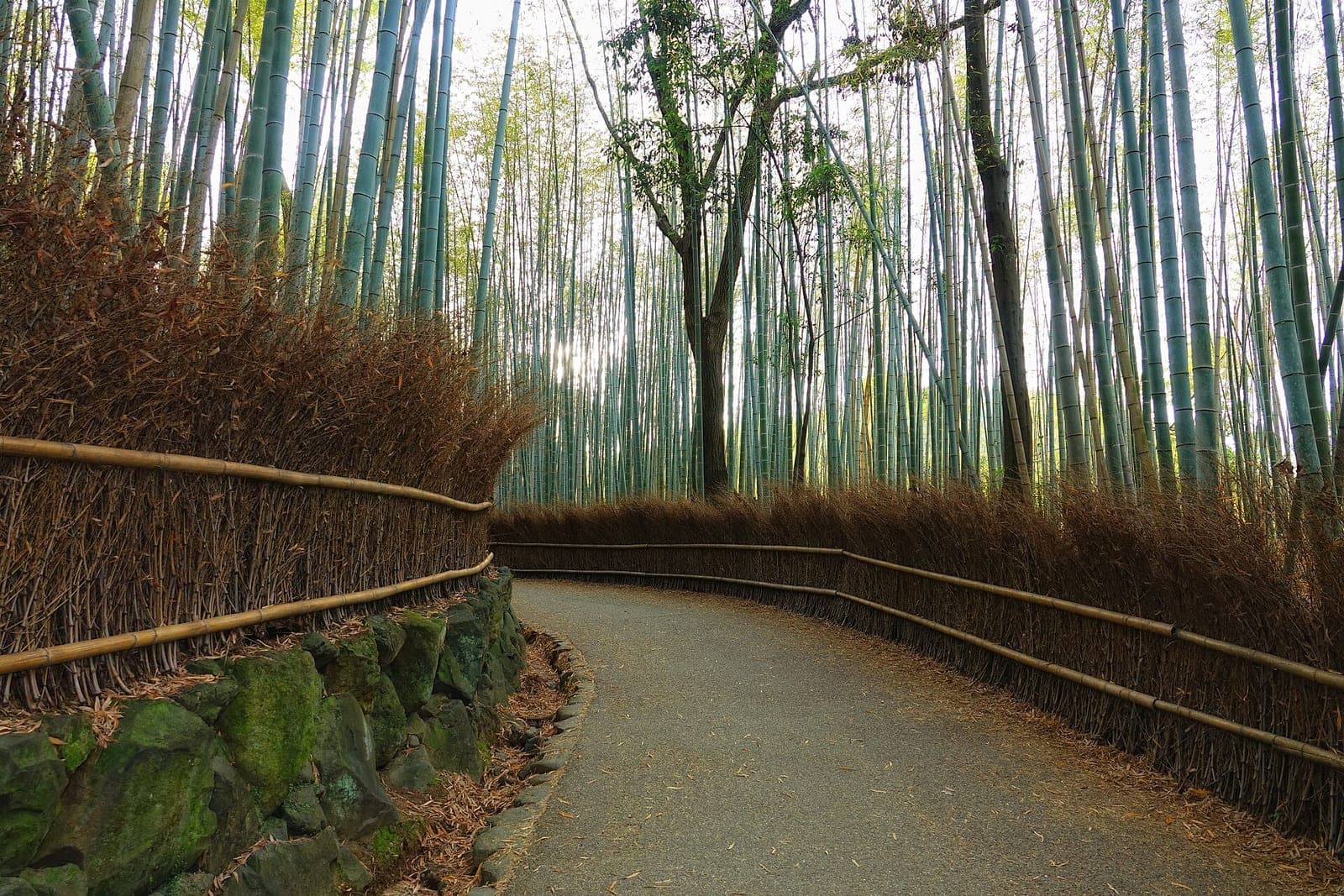
平安时代,岚山已经是贵族进行季节性游赏的地方,因为当时的宫廷文化非常重视经过安排的山水景观。后来,寺院、桥梁和步道又为这里增加了新的使用层次。岚山的历史不只属于某一座建筑,也属于人们在水、树木和山景之间行走的习惯。放慢脚步,才能看见这片景观如何被取景、借用并在几个世纪中反复观看。
02 / 建议参观顺序
用四段动线理解岚山
03 / 景点内部看什么
景点内部看什么
01 Katsura-gawa
桂川山水
The waterway that gives the area its broadest sense of scale.
这个地方的历史
The river has long supported transport, seasonal outings and the visual identity of the landscape.
现场留意
- 01
Look across the water to the mountain profile.
- 02
Notice how the river changes the pace of walking.
- 03
Watch for seasonal reflections.
02 Togetsukyo
渡月桥
A bridge that turns the river into a framed view.
这个地方的历史
The bridge has been rebuilt many times, but its role as a crossing and viewpoint has remained central.
现场留意
- 01
Observe the bridge line against the mountain.
- 02
Notice the changing current below.
- 03
Avoid treating the crossing as a photo stop only.
03 Chikurin
竹林
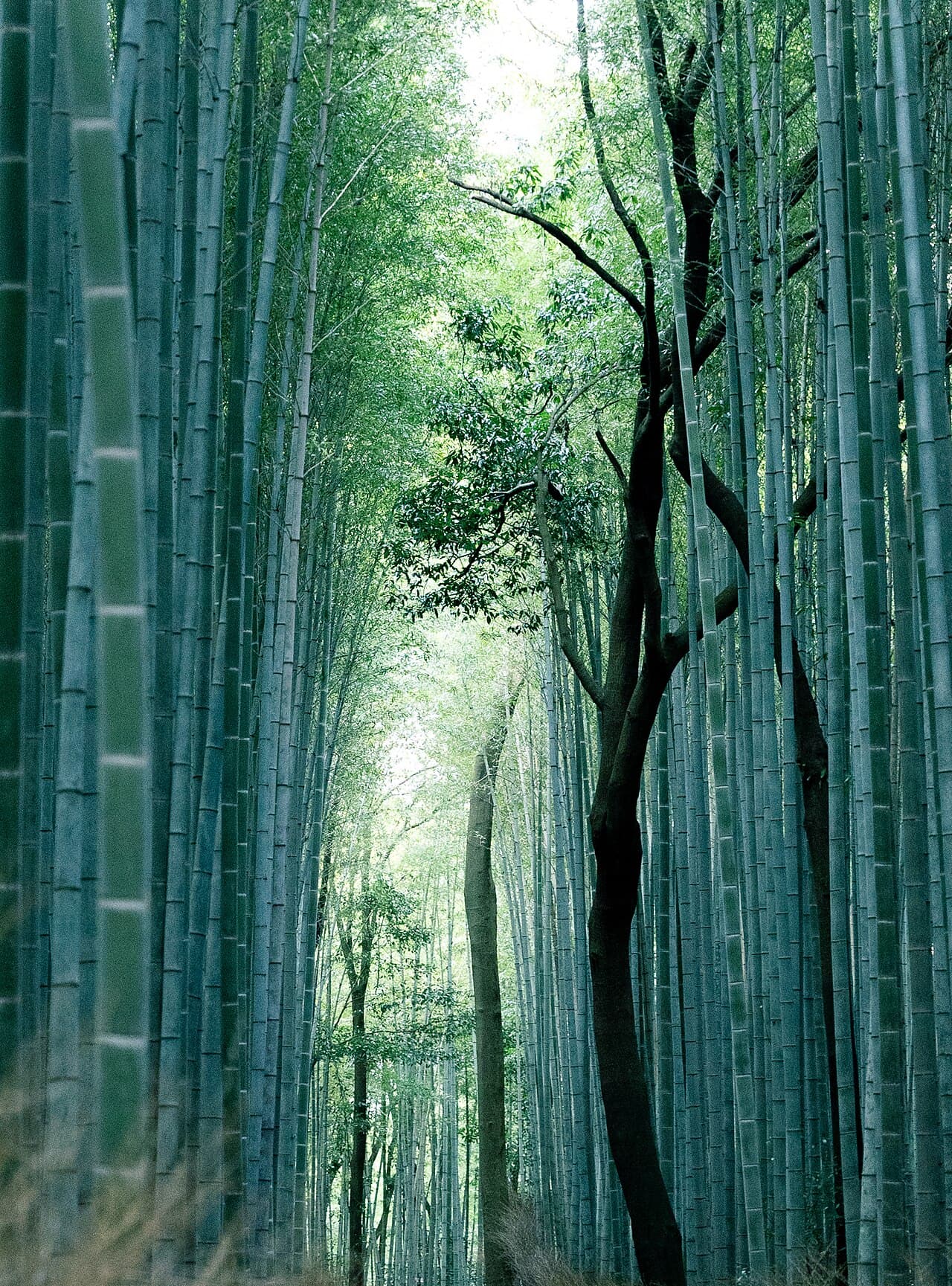
A narrow path through a cultivated bamboo landscape.
这个地方的历史
Bamboo has been used in Kyoto for building, craft and garden design. The grove is a managed cultural landscape, not untouched wilderness.
现场留意
- 01
Look at the height and repeated rhythm of the culms.
- 02
Keep to the path and protect the living grove.
- 03
Listen for wind through the leaves.
04 Arashiyama
岚山山景
The wooded slope that makes the riverfront feel like a landscape painting.
这个地方的历史
The mountain has served as a borrowed backdrop for gardens, poetry and seasonal viewing for centuries.
现场留意
- 01
Compare the slope in different seasons.
- 02
Notice how buildings are kept low near the river.
- 03
Look for layers rather than a single object.
04 / 官方资料