Skip to content
KWKyoto WayfinderAn independent Kyoto travel guide
Back to History Stories

Independent place histories

Kyoto Imperial Palace: A City Within the City

A ceremonial landscape that reveals how the imperial capital was organized and renewed.

Official name
京都御所
Place type
Imperial palace and historic garden
Established / formed
The imperial court moved to Kyoto in 794; the present complex reflects repeated rebuilding.

01

The history of this place

The Imperial Palace was the working center of the court in Kyoto for centuries. Fire, ceremony and changing political structures meant that buildings were repeatedly rebuilt, yet forms, rituals and spatial order were carefully carried forward. The palace is best understood as a system of thresholds: outer gates, formal courtyards, audience halls, gardens and private spaces each carried a different degree of access and ceremony.

02

A suggested visit order

  1. 01Seishomon Gate
  2. 02Shishinden Hall
  3. 03Seiryoden Hall
  4. 04Oike-niwa Garden
  5. 05Ogakumonjo
  6. 06Gates and Corridors
  7. 07Seasonal Garden View

03

What to See Inside

Continuity through rebuilding

01What to See Inside

01

Seishomon Gate

Seishomon

Place type

A formal gate that introduces the palace's controlled access.

The history of this place

The gates separated ceremonial space from the surrounding city and made the hierarchy of arrival visible.

What to notice

  • Notice the roof and painted details.
  • Look along the wall line.
  • Imagine processions rather than casual entry.

On-location guide

The palace begins with permission. The gate is a reminder that court life depended on carefully managed movement.

Shishinden Hall

Photo: Wikimedia Commons · Wikiwikiyarou · CC BY-SA 4.0

02

Shishinden Hall

Shishinden

Place type

The principal ceremonial hall of the palace.

The history of this place

The hall was used for major court ceremonies and represents the formal center of imperial architecture in Kyoto.

What to notice

  • Read the building's long horizontal line.
  • Notice the open forecourt.
  • Look at the relationship between hall and trees.

On-location guide

The empty court in front of the hall is deliberate. Ceremony needs space to become visible.

03What to See Inside

03

Seiryoden Hall

Seiryoden

Place type

A building associated with the everyday and ceremonial life of the court.

The history of this place

The hall preserves a different scale from the main ceremonial center and helps explain the variety of court spaces.

What to notice

  • Compare its scale with Shishinden.
  • Notice roof proportions and layered verandas.
  • Imagine different forms of court use.

On-location guide

History becomes clearer when formal and intimate spaces are read together. A court was a daily society, not only a ceremony.

04What to See Inside

04

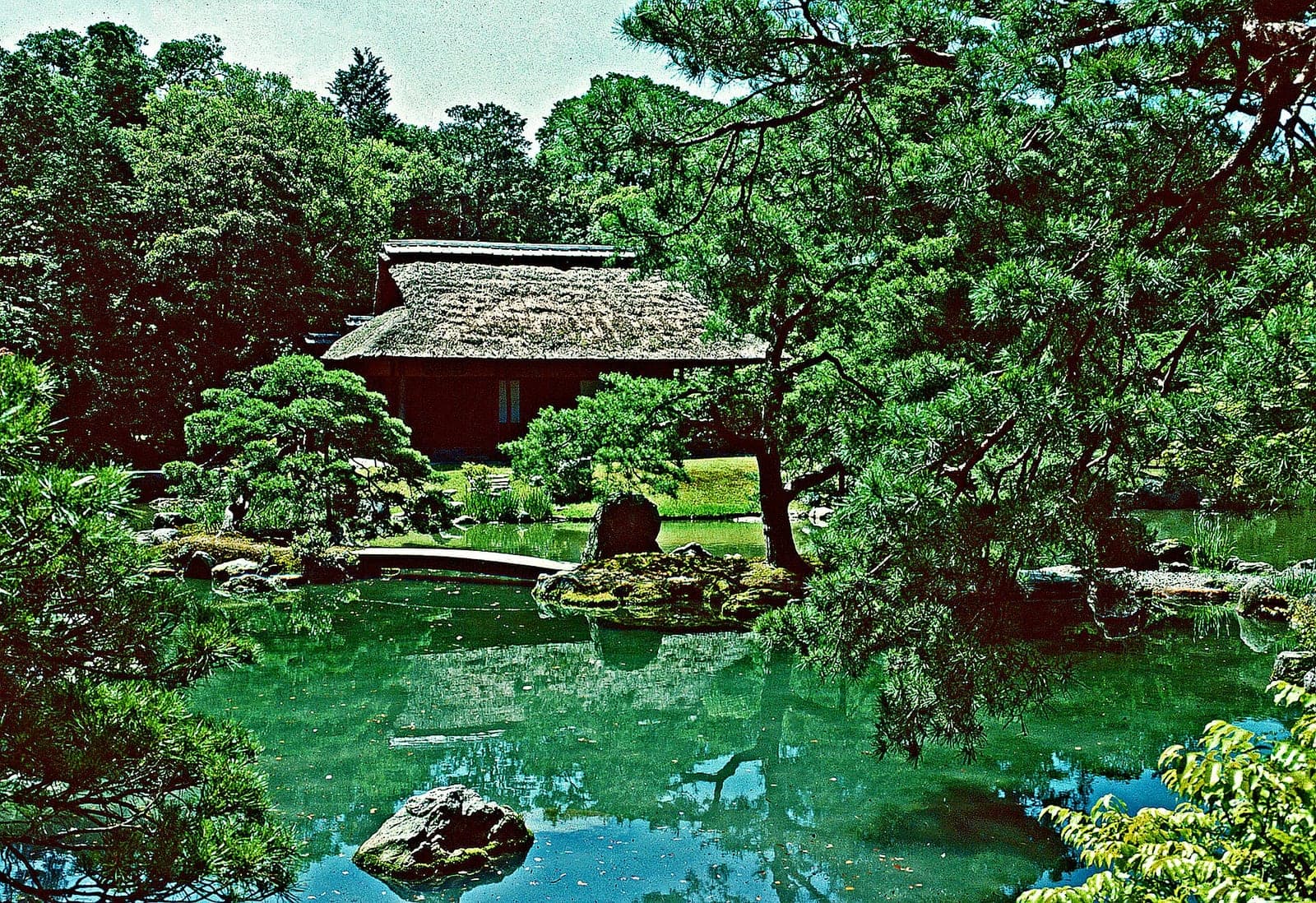
Oike-niwa Garden

Oike-niwa

Place type

A pond garden that softens the geometry of the palace grounds.

The history of this place

The garden allowed movement, seasonal viewing and controlled encounters with nature within a highly ordered court environment.

What to notice

  • Notice the pond edge and stepping stones.
  • Look at the balance of open and planted space.
  • Follow the garden's walking logic.

On-location guide

The garden gives the palace a different kind of time. Political formality loosens into seasonal observation.

05What to See Inside

05

Ogakumonjo

Ogakumonjo

Place type

A study and meeting space with a more intimate character.

The history of this place

Buildings like this show that court culture included learning, discussion and private routine alongside state ceremony.

What to notice

  • Notice the smaller room scale.
  • Look at the view from the veranda.
  • Pay attention to surfaces and thresholds.

On-location guide

A palace is made of many kinds of attention. This room asks you to imagine study and conversation, not only official display.

06What to See Inside

06

Gates and Corridors

Gates and Corridors

Place type

The repeated thresholds that organize movement through the grounds.

The history of this place

Court hierarchy was made physical through who could pass which gate and how each space connected to the next.

What to notice

  • Trace the axis between gates.
  • Notice changes in roof and pavement.
  • Read doors as social boundaries.

On-location guide

The palace's history is in the route. Every threshold tells you something about rank, privacy and ceremony.

07What to See Inside

07

Seasonal Garden View

Seasonal View

Place type

A landscape designed to change with flowering, leaves, snow and light.

The history of this place

Seasonal observation was central to court culture, so the gardens were planned as calendars as much as scenery.

What to notice

  • Look for the season's strongest color.
  • Notice how weather changes the same building.
  • Return in another season if possible.

On-location guide

A palace visit is never complete in one season. The garden is a calendar written in plants, water and light.

Official sources