Skip to content
KWKyoto WayfinderAn independent Kyoto travel guide
Back to History Stories

Independent place histories

Kifune Shrine: A Shrine of Water and Weather

A mountain shrine where water worship is carried by a river valley and lanterned steps.

Official name
貴船神社
Place type
Shinto shrine
Established / formed
An ancient water shrine; written records place it in the early Heian period.

01

The history of this place

Kifune is associated with Takaokami-no-kami, a water deity connected with rain and the flow of life. The shrine's setting makes this belief unusually legible: a narrow valley, a clear stream, stone steps and changing weather all remain close to the worship space. Seasonal lanterns and river-side dining are later layers, but the central idea remains the relationship between mountain water and human life.

02

A suggested visit order

  1. 01Lantern Stairway
  2. 02Main Shrine
  3. 03Water Fortune
  4. 04Go-shinsui Spring
  5. 05Kibune River
  6. 06Inner Shrine
  7. 07Yui no Yashiro
  8. 08Ten no Iwakura
  9. 09Boat-shaped Stone

03

What to See Inside

Water as a living presence

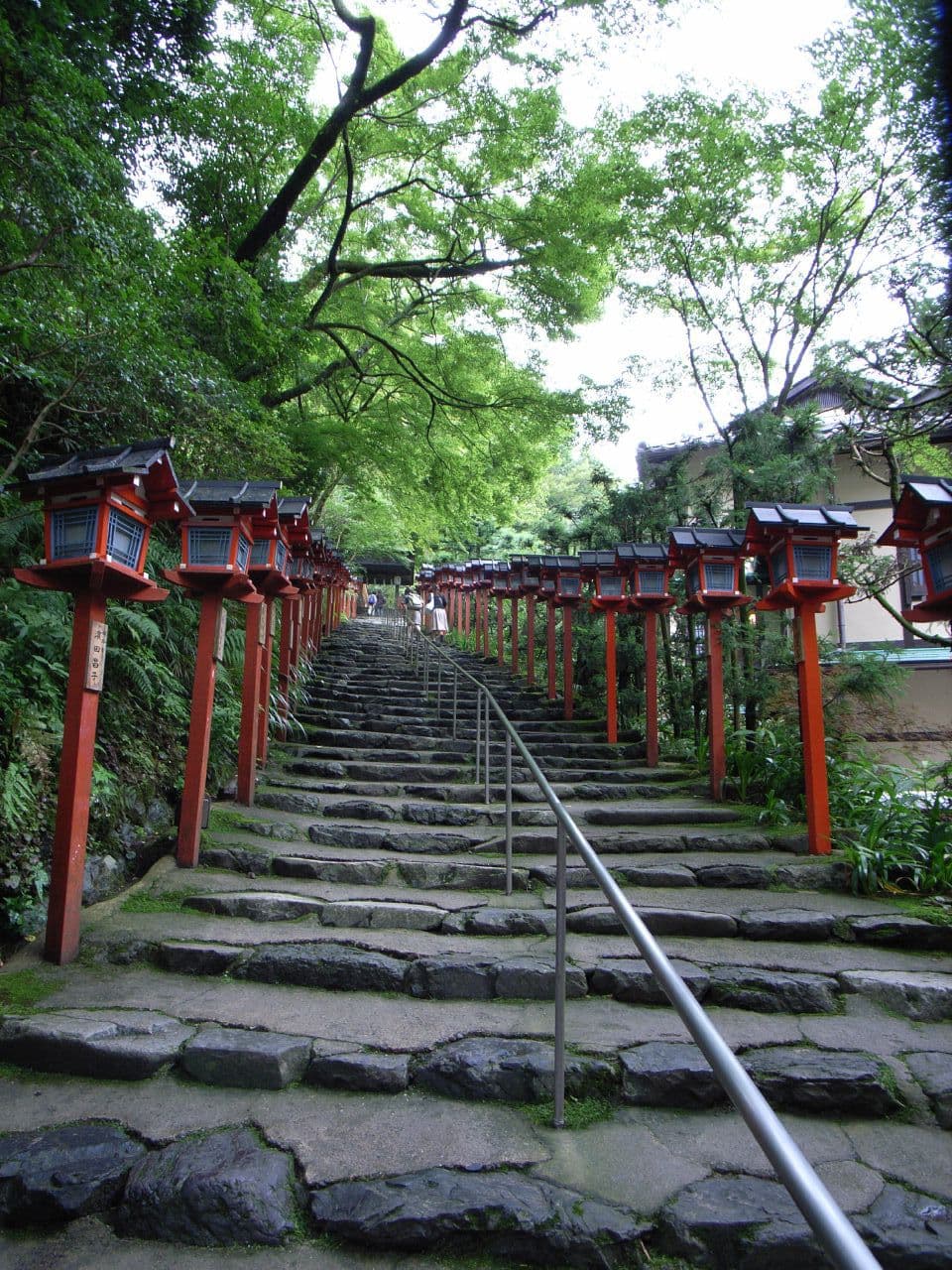
Lantern Stairway

Photo: Wikimedia Commons · kibun · CC BY 2.0

01

Lantern Stairway

Ishidan

Place type

The iconic approach rising between red lanterns.

The history of this place

The stairway turns the ascent into a ritual transition from the valley road to the shrine precinct.

What to notice

  • Notice the rhythm of stone and lantern.
  • Look at the changing shade during the day.
  • Keep the steps clear for worshippers.

On-location guide

The stairs are not a backdrop added after the fact. They make the act of approaching the shrine visible.

02What to See Inside

02

Main Shrine

Hongu

Place type

The central worship space dedicated to water-related belief.

The history of this place

The shrine's identity is tied to prayers for rain, agriculture and the health of water systems.

What to notice

  • Observe the restrained scale.
  • Watch how people approach the offering box.
  • Keep photography secondary to worship.

On-location guide

The main shrine is the point where the landscape becomes prayer. Stand quietly and let the stream outside remain part of the experience.

03What to See Inside

03

Water Fortune

Mizu-ura Mikuji

Place type

A form of divination that reveals its message through water.

The history of this place

The practice expresses the shrine's central relationship with water in a simple, contemporary ritual form.

What to notice

  • Follow the posted instructions.
  • Let the paper reveal itself in the water.
  • Return the paper respectfully.

On-location guide

Here, water is not just scenery. It is the medium through which a visitor asks a question.

04What to See Inside

04

Go-shinsui Spring

Go-shinsui

Place type

The sacred spring associated with the shrine's water tradition.

The history of this place

The spring makes the shrine's central belief tangible: water is both a natural resource and a sacred presence.

What to notice

  • Follow the current access rules.
  • Do not touch restricted water areas.
  • Notice how the spring sits within the precinct.

On-location guide

The spring gives the place its simplest explanation. Before the lanterns and seasonal dining, there is water.

Kibune River

Photo: Wikimedia Commons · Yanajin33 · CC BY-SA 4.0

05

Kibune River

Kibune-gawa

Place type

The watercourse that gives the shrine its atmosphere and meaning.

The history of this place

The river links mountain ecology, worship and local seasonal life in one visible corridor.

What to notice

  • Notice the temperature and sound near the water.
  • Observe the seasonal river platforms from a respectful distance.
  • Do not enter restricted areas.

On-location guide

The river is the shrine's oldest text. Read its speed, sound and changing light before looking for another explanation.

06What to See Inside

06

Inner Shrine

Okumiya

Place type

A quieter worship area deeper in the valley.

The history of this place

The inner site preserves the idea of a sacred source and a more secluded origin point.

What to notice

  • Notice the change in forest density.
  • Listen for the stream and wind.
  • Walk with a smaller presence.

On-location guide

The inner shrine rewards the walk because the valley becomes the architecture. Let the forest do some of the explaining.

07What to See Inside

07

Yui no Yashiro

Yui no Yashiro

Place type

A smaller shrine associated with connections and prayer.

The history of this place

Its position between the main and inner shrines adds another layer to the valley's sequence of worship spaces.

What to notice

  • Observe the smaller scale.
  • Read the posted prayer customs.
  • Keep the path open.

On-location guide

The middle shrine gives the route a pause. It is part of the valley's internal rhythm, not a separate destination to rush toward.

08What to See Inside

08

Ten no Iwakura

Ten no Iwakura

Place type

A sacred rock associated with mountain and natural worship.

The history of this place

The rock represents a form of worship in which the natural feature itself is part of the sacred landscape.

What to notice

  • Check whether access is currently permitted.
  • Keep a respectful distance.
  • Do not climb or touch the rock.

On-location guide

Here the boundary between shrine and mountain becomes thin. The landscape is not decoration around the sacred place; it is part of it.

09What to See Inside

09

Boat-shaped Stone

Funagata-ishi

Place type

A stone feature connected with the shrine's founding story.

The history of this place

The boat form preserves a local mythic layer in which arrival, water and divine presence are tied together.

What to notice

  • Look without climbing the boundary.
  • Notice the stone's relation to the path.
  • Follow local signage.

On-location guide

The stone turns the founding story into a physical clue. Read it alongside the river and the long valley route.

Official sources